
Massive hailstorm hits northeastern Spain, expected to drastically affect European stone fruit season

Image credit: Contando Estrelas/Flickr
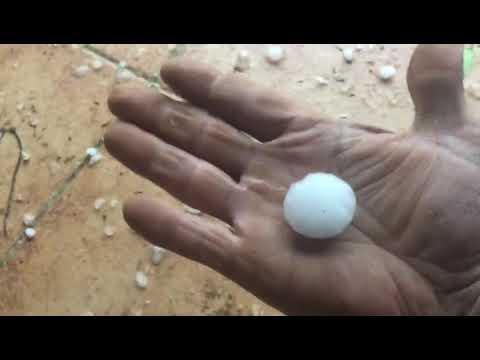
A massive hailstorm hit the stone fruit growing areas in northeastern Spain on Tuesday evening, June 16. 2020, causing extensive damage right before the harvest. According to growers, this is a big disaster that will drastically affect not only the Spanish but also the European stone fruit season.
The worst affected areas are Torres de Segre, Soses, Alcarras, Aitona, Binaced, Binefar, Ximenelles, Alcolea de Cinca, Bellver de Cinca. and Fraga. These areas represent around half of the production of Lleida.
Approximately 7 500 ha (18 500 acres) were severely impacted, with 60 to 100 percent of areas in Alcarras, Soses, and Torres de Segre as the most affected. In other areas, the damage could be 20 to 30 percent, the Fresh Plaza reports.
In total, about 12 000 ha (30 000 acres) were affected. The fruits that were badly hit include nectarines, flat peaches, and peaches.
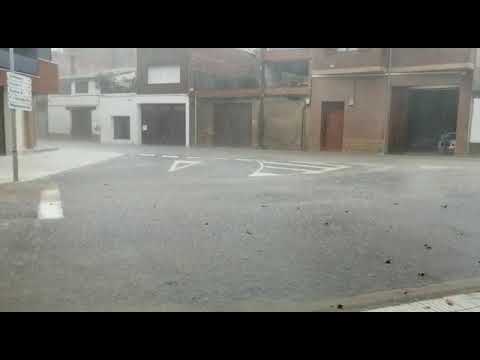
The recent storm came after the areas of Torres de Segre and Mollerusa were battered by hail in the previous week, which affected stone fruit, among other fruits like pears and apples.
This was the most important stone area for production in July and August. The forecast prior to the storm was already 20 percent lower yields, compared to 2019.
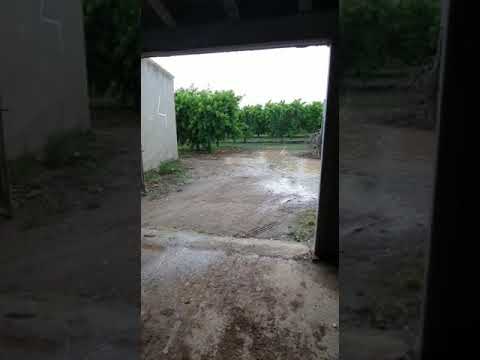
"The market was already noticing the decrease in nectarines and flat peaches, which are seeing significantly higher prices this year," said grower and exporter Francesc Pena, director of Olimpfruit (Seròs, Lleida).
"Due to the hail, the sector expects a shortage during July and August. We have to take into account that Italy lost a big part of its production due to the frosts, as did France."
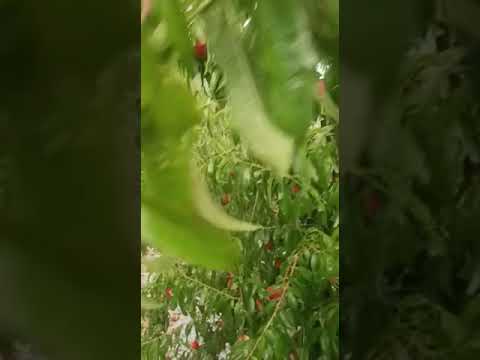
"This is a big disaster that will drastically change the Spanish as well as the European stone fruit season."
"We will play this game with different rules from this moment on," the director noted.

Published in the last 24 hours
- A 19-year-old Nebraska teacher reportedly tied her pupils together with twine and led them to safety through a blizzard in January 1888 Epicenter
- NASA built the Opportunity rover to last 90 days on Mars, and Martian winds helped keep it alive for nearly 15 years by blowing dust off its solar panels, until a planet-wide dust storm in 2018 blocked sunlight and silenced the rover Epicenter
- In the winter of 1811–12, earthquakes near New Madrid, Missouri, shook so hard that witnesses saw the Mississippi River flow backward, and the shaking left a brand-new lake in Tennessee Epicenter
- On 28 August 1859 a solar storm shocked telegraph operators and threw sparks on other lines, and on 2 September Boston to Portland clerks unhooked their batteries and kept sending for more than two hours on the aurora's current alone. Epicenter
