• New radioactive leakage discovered at Hanford Site

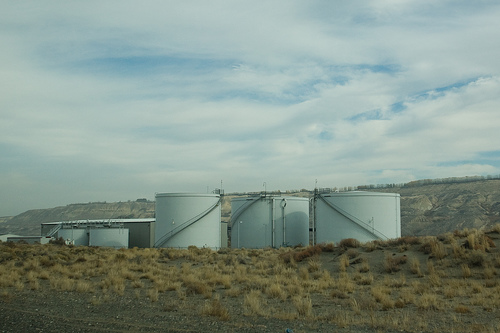
    Hanford nuclear site at South-Central Washington state, the now decommissioned nuclear production complex and the most contaminated nuclear site in the United States, is in news again. Despite the radioactive waste stabilization program in 2005 to remove most liquids

  • Astronomers explore NGC 6872, declare it largest known spiral galaxy

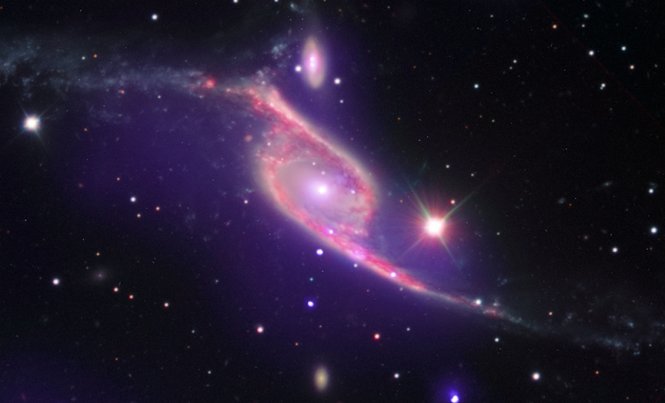
    NGC 6872 is a barred spiral galaxy 212 million light years away from Earth in the southern constellation Pavo. With its exceptionally large spiral arms, it spans more than 522,000 light-years, making it more than five times the size of our Milky Way galaxy. For

  • Nanotech self-filling water bottle inspired by a beetle

    A water bottle which will fill itself by drawing water from atmosphere is what NBD Nano co-founder and biochemist Deckard Sorensen conceived in his mind. He got inspired by Namib desert beetle(genus Stenocara), which does something similar. Living in a desert where

  • Study reveals surprising pattern of galactic evolution

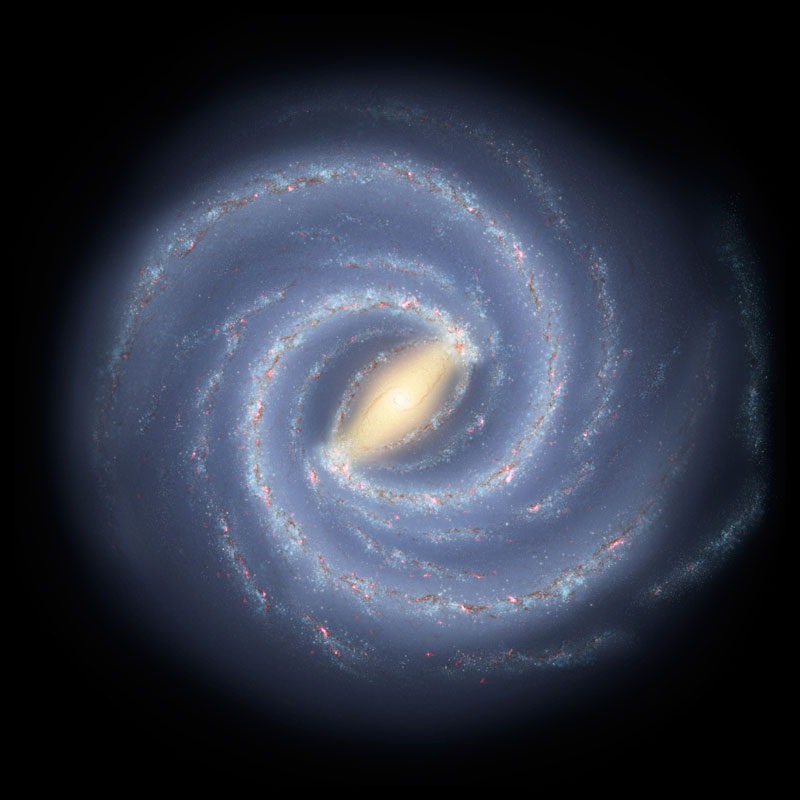
    A surprising pattern of galactic evolution emerged in recent study by NASA astronomers. Contrary to their opinion that nearby galaxies had achieved their present state 8 billion years ago, observations suggest galaxies were changing steadily during this time period.

  • Rare earthquake in Maine rattles New England states

    The USGS reported that 4.0 magnitude earthquake hit Maine, USA around 23:12 UTC (7:12 p.m. local time) on Tuesday, October 16, 2012. The epicenter was located 5 km (3 miles) W of Hollis Center, Maine at coordinates 43.592°N, 70.676°W. The depth was recorded at

  • X1 – Robonaut’s spin-off exoskeleton to aid paraplegics

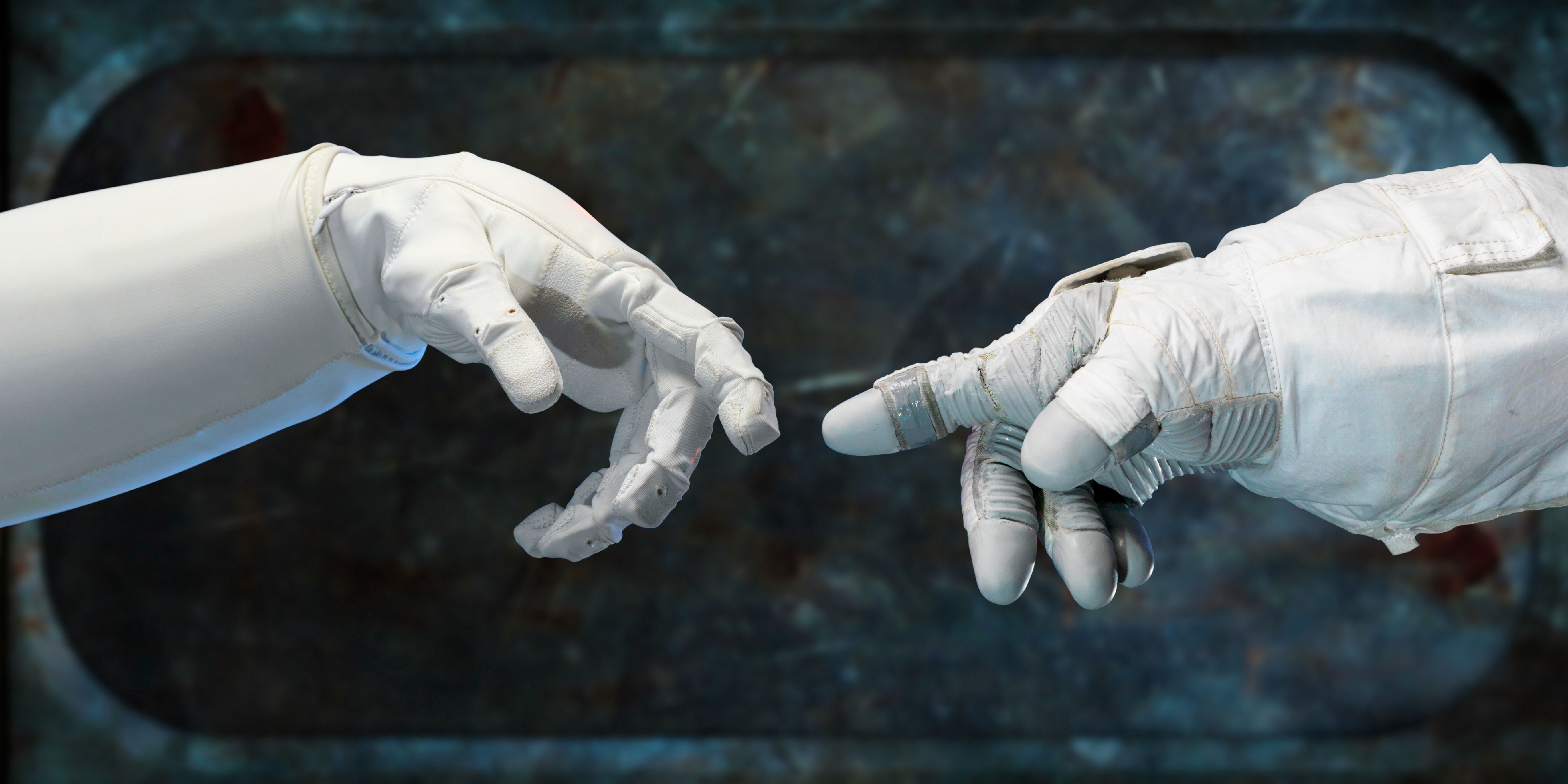
    NASA’s Robonaut technology currently deployed at ISS, has led to development of a robotic exoskeleton which will help astronauts staying healthy in space and prove an aid to paraplegics on Earth. Weighing 57 pounds (approximately 26 kilograms), humans can wear this

  • Transient electronics – devices that disappear after serving purpose

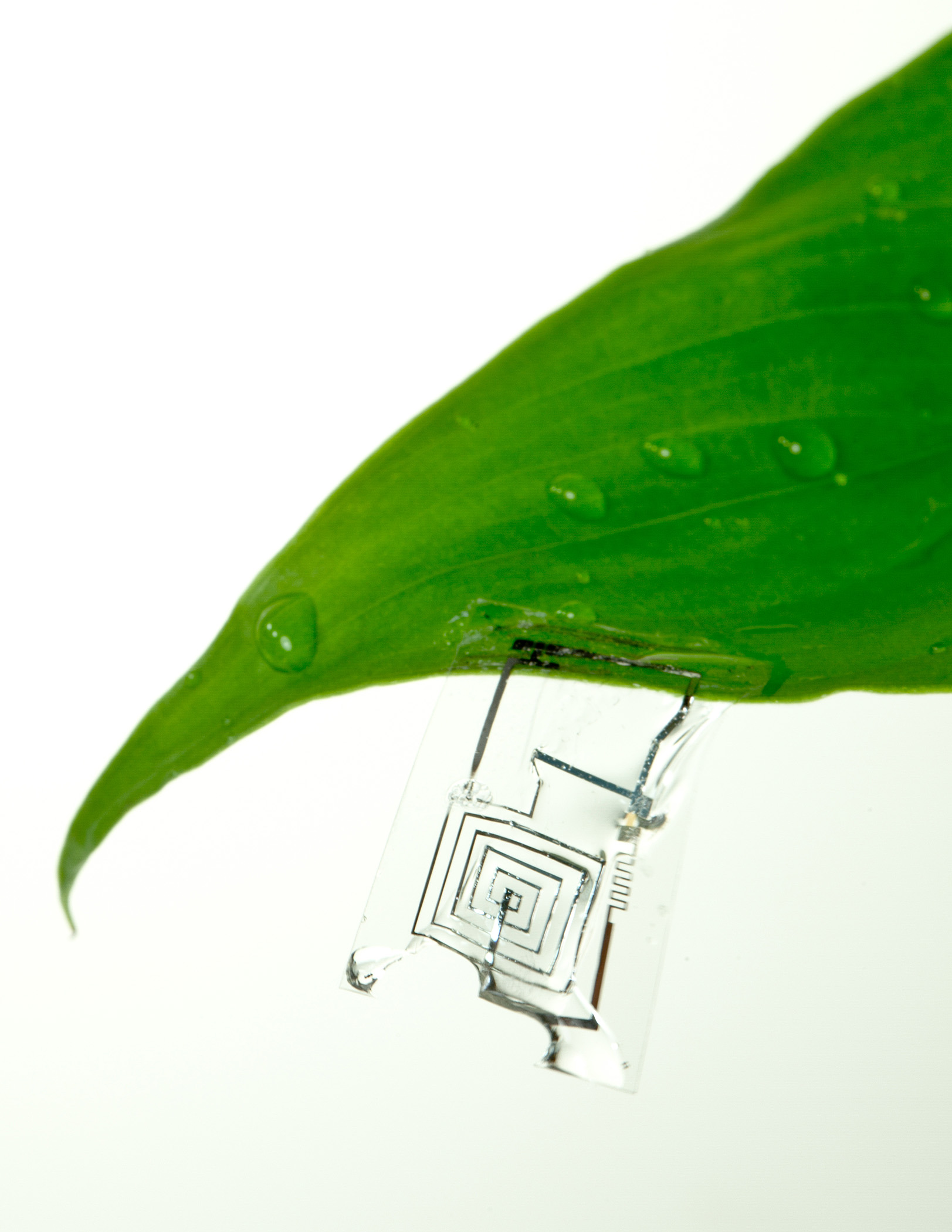
    Researchers have developed biocompatible electronic devices able to serve as conventional electronics but unlike them, these can harmlessly dissolve into fluids. This characteristic opens up a complete array of possible applications like bioresorbable (can be broken