Strong M8.2 solar flare erupts from Region 3435
An impulsive solar flare measuring M8.2 erupted from Active Region 3435 at 14:19 UTC on September 20, 2023. The event started at 14:11 and ended at 14:25 UTC.

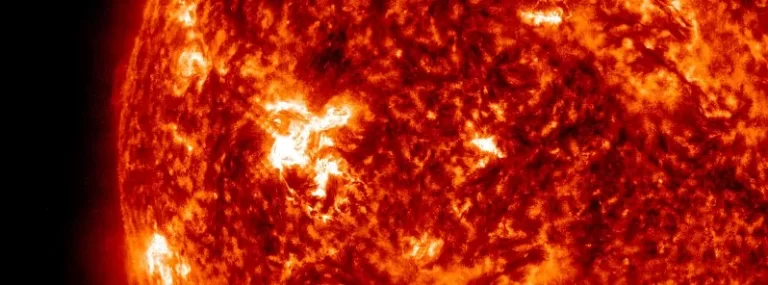
An impulsive solar flare measuring M8.2 erupted from Active Region 3435 at 14:19 UTC on September 20, 2023. The event started at 14:11 and ended at 14:25 UTC.

Two coronal mass ejections (CMEs) impacted Earth on September 18, 2023, producing G3 – Strong geomagnetic storming.
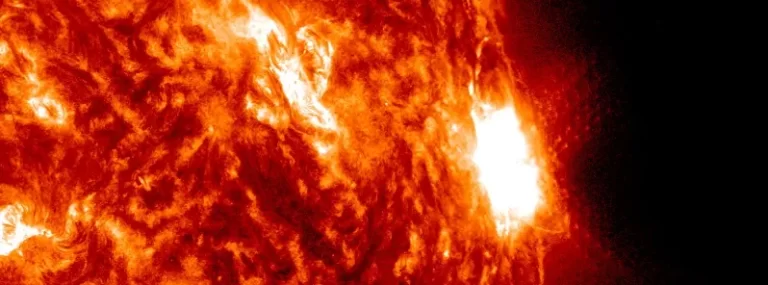
A major, long-duration solar flare measuring X1.6 erupted from Active Region 3386 (beta-delta) at 22:21 UTC on August 5, 2023. The event started at 21:45 and ended at 22:44 UTC.
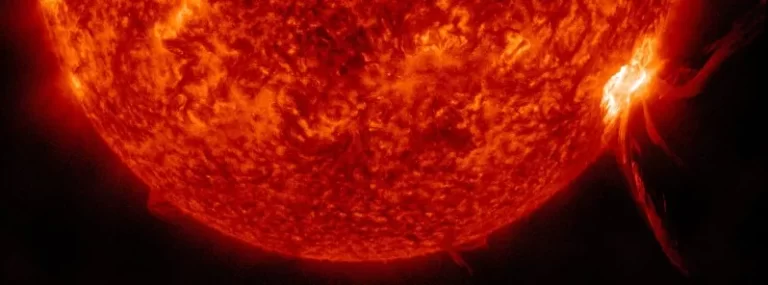
A double-peaked, long-duration solar flare measuring M5.7 erupted from Active Region 3363 (beta-delta) at 00:06 UTC on July 18, 2023, producing an asymmetric halo CME and S2 – Moderate solar radiation storm.
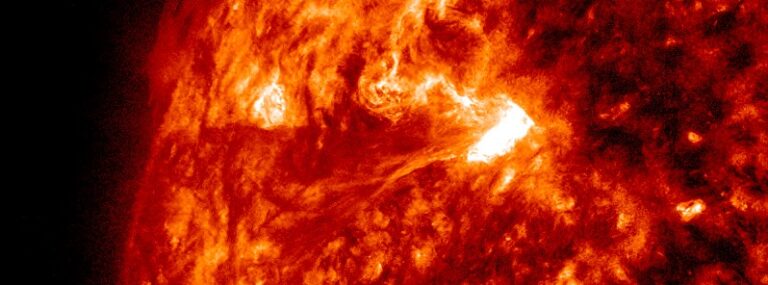
Active Region 3360 (beta) produced a C8.9 solar flare on July 3, 2023, producing an Earth-directed coronal mass ejection (CME) which is expected to hit Earth on July 9 or 10. The event started at 21:02 UTC, peaked at 21:12, and ended at 21:22.

Co-rotating interaction region (CIR) followed by negative polarity coronal hole high speed stream (CH HSS) produced G1 – Minor and G2 – Moderate geomagnetic storming on Earth on June 15 and 16, 2023.

On April 23, 2023, an unusual spectacle of “Aurora Blobs” baffled observers across Europe. These peculiar auroras, unlike anything seen before, have now been identified as “Proton Auroras,” originating from Earth’s ring current system, according to space physicist Toshi Nishimura of Boston University.
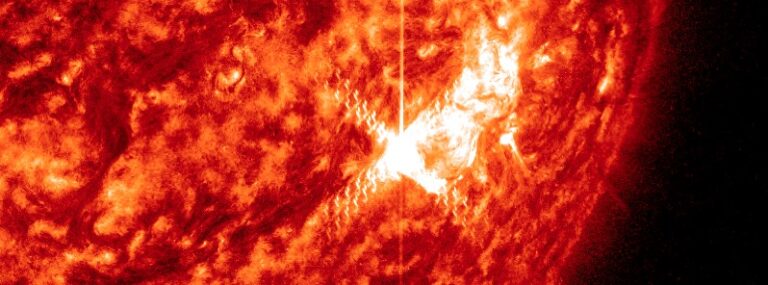
A moderately strong solar flare measuring M7.1 erupted at 13:09 UTC on May 1, 2023. The event started at 13:02 and ended at 13:09 UTC.
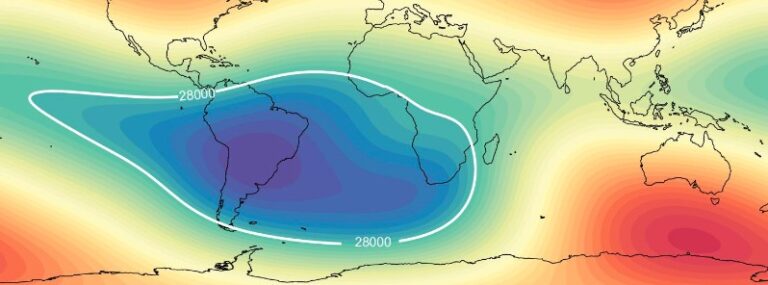
This highly informative solar storm briefing and Q&A session was made by Dr. Tamitha Skov also known as Space Weather Woman. One of the most interesting parts of the video is when she discusses red aurora, Earth’s weakening magnetic field, the South Atlantic Anomaly, and the upcoming Earth’s magnetic pole flip.
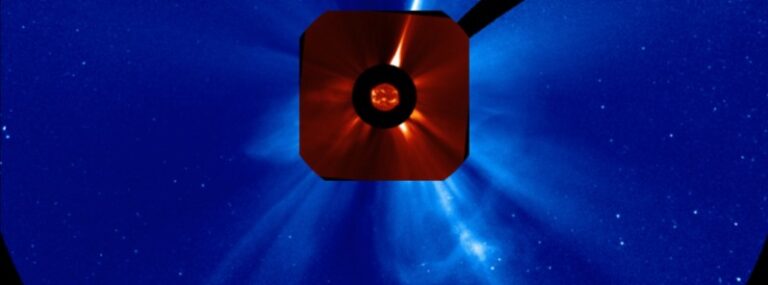
The period of January 9 to 15, 2023, was marked by intense solar activity, with numerous M and X-class flares being observed. The largest event of the period was an X1.9 flare on January 9, followed by an X1.0 on January 10. There were a total of 2 X-flares and 25 M-flares during the period but only two Earth-directed CMEs were observed from this flurry of activity.
