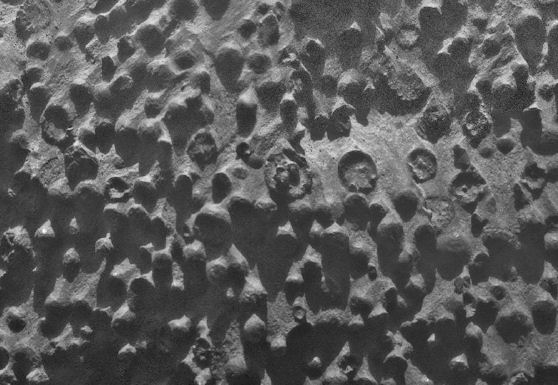
• Newly photographed Martian spheres pose mystery for scientists

    In July 1965, Mariner 4 – NASA’s first spacecraft to fly by Mars – sent back its first images to Earth. Since then, dozens of spacecraft have been sent to explore the cold red planet. Consistently, the planet has raised far more questions than answers. In 1996,
  • How Mars may have lost its atmosphere (video)

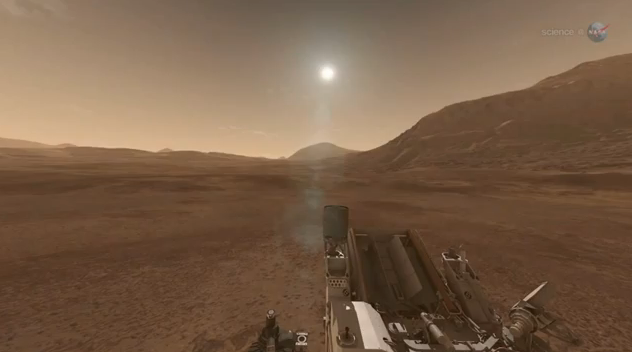
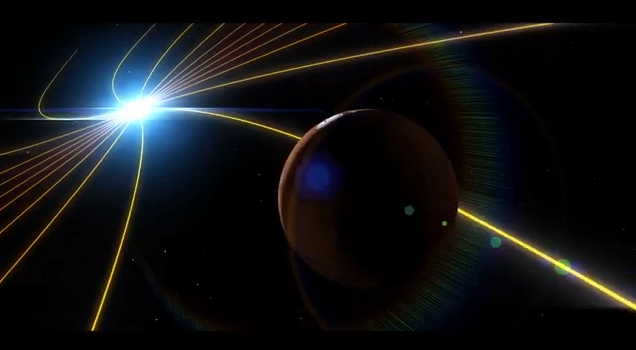
    Many scientists think that long ago, Mars once had a denser atmosphere, cloudy skies that supported liquid water flowing over the surface. For some reason, most of the Martian atmosphere was lost to space long ago and the thin wispy atmosphere no longer allows water

  • Mars express captures possible traces of water

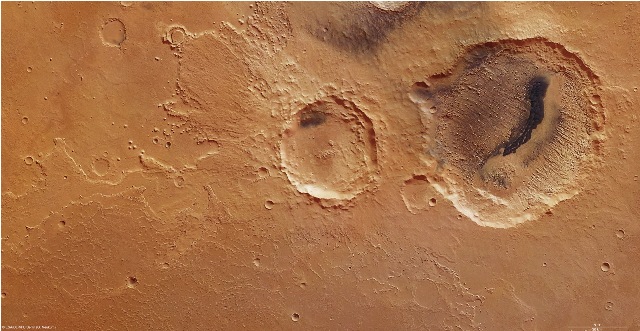
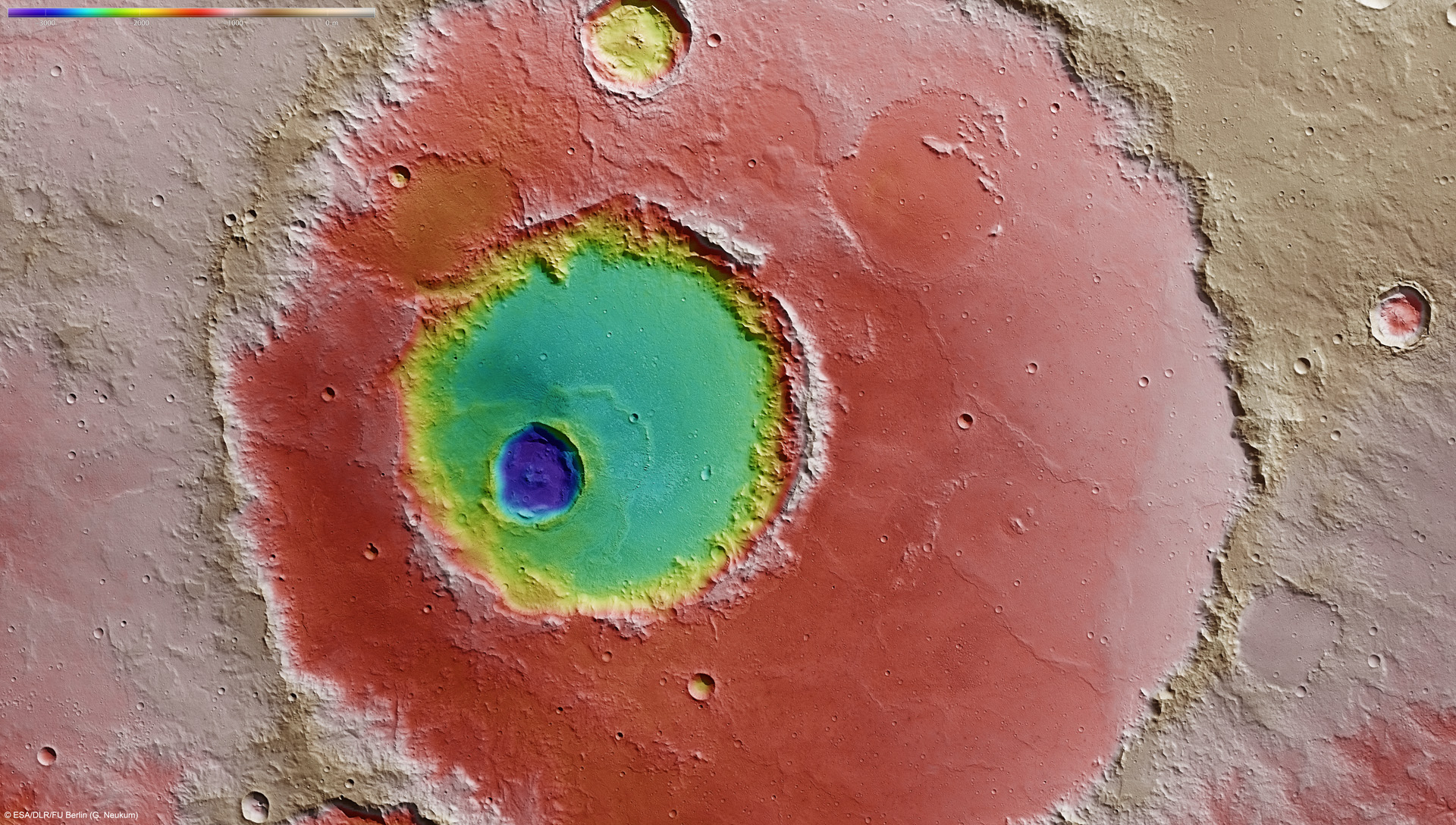
    ESA’s Mars Express spacecraft captured images of 120 km wide Hadley Crater which revealed there has been several subsequent impacts within the crater leading to formation of further craters, that are up to 2600 m deep than surrounding surface.  This observation has

  • Plate tectonics discovered on Mars

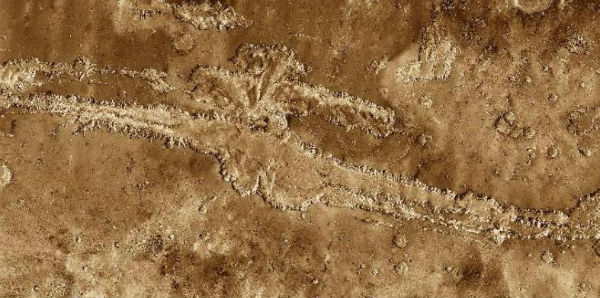
    A UCLA scientist has discovered that the geological phenomenon known as “plate tectonics”, which involves the movement of huge crustal plates beneath a planet’s surface, also exists on Mars. An Yin, planetary geologist and a UCLA professor of Earth and space sciences

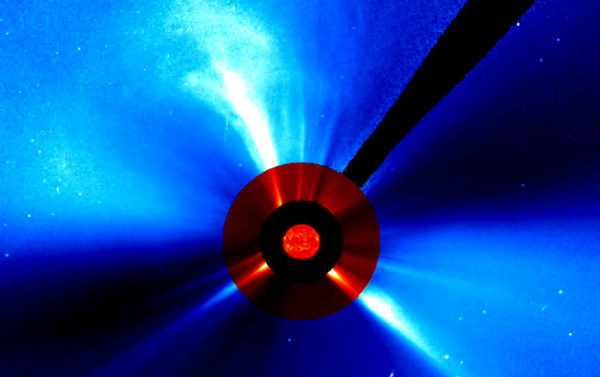
  • CME cloud is about to affect Venus, Earth and Mars

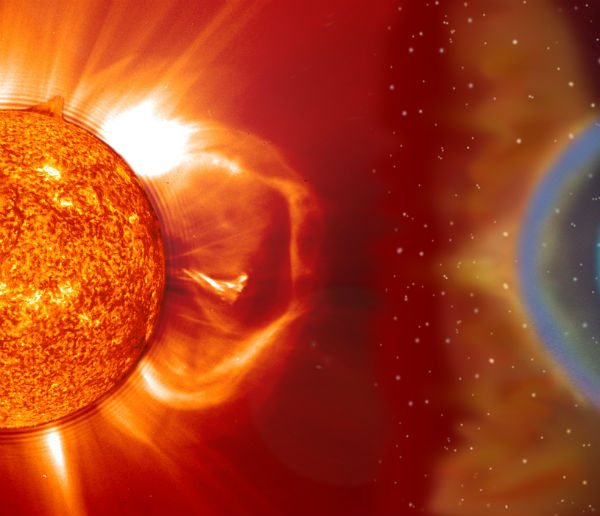
    Sunspot 1504 poses a growing threat for Earth-directed M-class solar flares and continues to expand into a large-sized sunspot cluster. Now spans the size of at least 4 planet Earths.It erupted in southern hemisphere on June 13th at 13:19 UTC, producing a

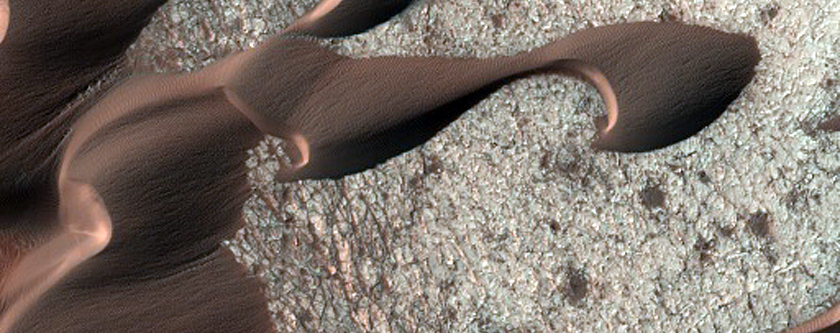
  • Mars Reconnaissance Orbiter detects changes in Martian sand dunes

    NASA’s Mars Reconnaissance Orbiter has revealed that movement in sand dune fields on the Red Planet occurs on a surprisingly large scale, about the same as in dune fields on Earth.This is unexpected because Mars has a much thinner atmosphere than Earth, is only about