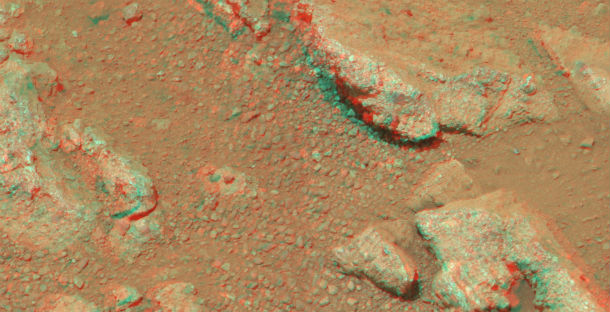
• Water on Mars – Ancient pebbly-rock streambeds found on Red Planet

    NASA experts, after detailed analysis, concluded that pebble-containing slabs that have been discovered in 2012 by Mars rover Curiosity, are part of an ancient streambed. These rocks are the first ever discovered on Mars that have streambed gravels. Scientists

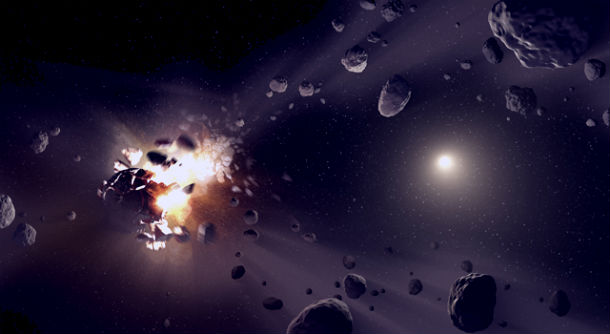
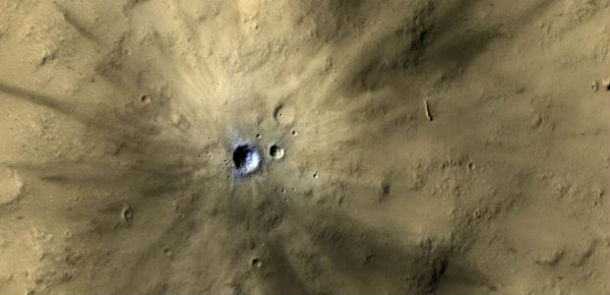
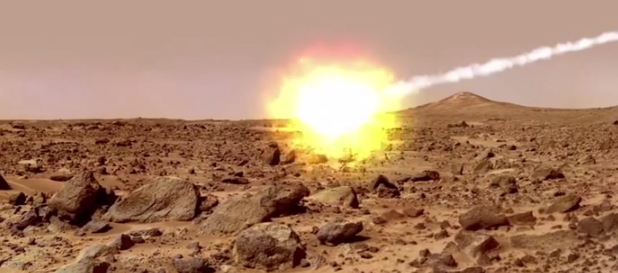
  • Mars bombarded by more than 200 asteroids per year

    With the help of images acquired by NASA's Mars Reconnaissance Orbiter, scientists have estimated that the Red Planet is bombarded by more than 200 small asteroids or fragments of comets every year which form craters at least 3.9 meters wide. During the past

  • Earth-Mars communications affected by a Mars solar conjunction

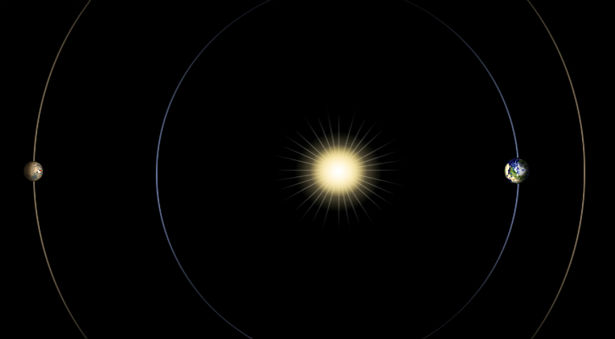
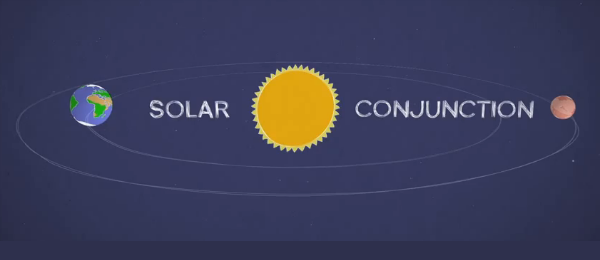
    This month communication between Mars and Earth may be disrupted due to a planetary arrangement called Mars solar conjunction, where Mars will be passing almost directly behind the sun from Earth’s perspective. Mars solar conjunction happens once about every 26

  • Venus, Mars and Uranus seen by SOHO’s coronograph

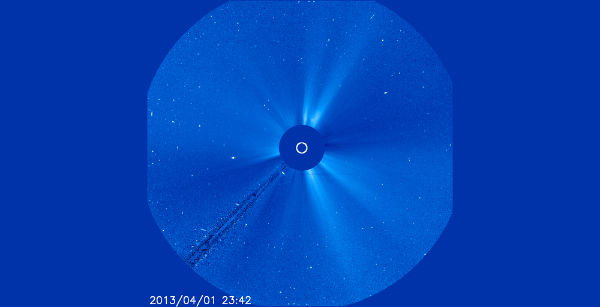
    NASA/ESA’s SOHO images are revealing a sight no one else gets to see: Venus, Mars and Uranus are all crowding into the same picture with the Sun. From our perspective on Earth, it is happening in the daylight sky very close to the glaring Sun. Using a disk to block

  • MAVEN gets magnetometers to study the Red planet's magnetic field

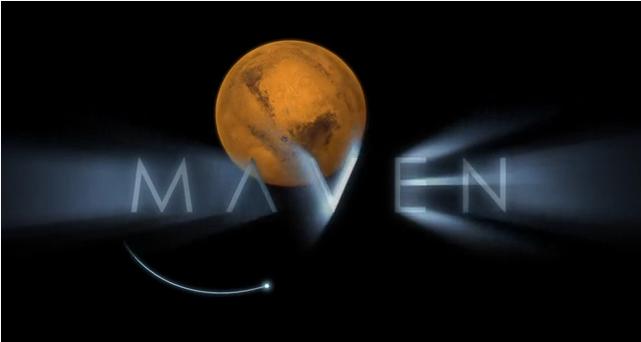
    Could Mars have supported life? Many scientists think that long ago it had a denser atmosphere, cloudy skies that supported liquid water flowing over the surface. They propose the red planet lost its atmosphere due to sputtering as it eroded by

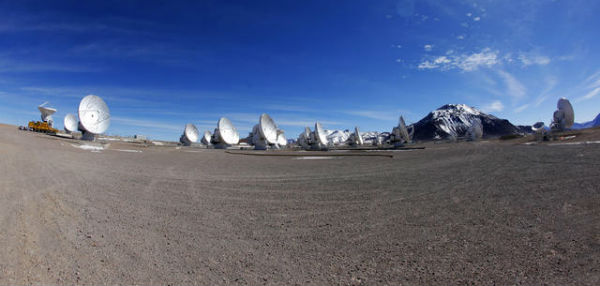
  • “ALMA: The View from a Different World”

    ALMA (Atacama Large Millimeter Array), the huge international telescope project that was inaugurated in Chile this week. It is located in the Atacama Desert, the driest place on Earth and an area that bears a striking resemblance to the Red Planet. ALMA is a single