Temperature in Cuba hits 0°C (32°F) for the first time on record
Cuba saw historic low temperatures on February 3, 2026, with a weather station in the province of Matanzas recording a temperature of 0°C (32°F) for the first time on record.

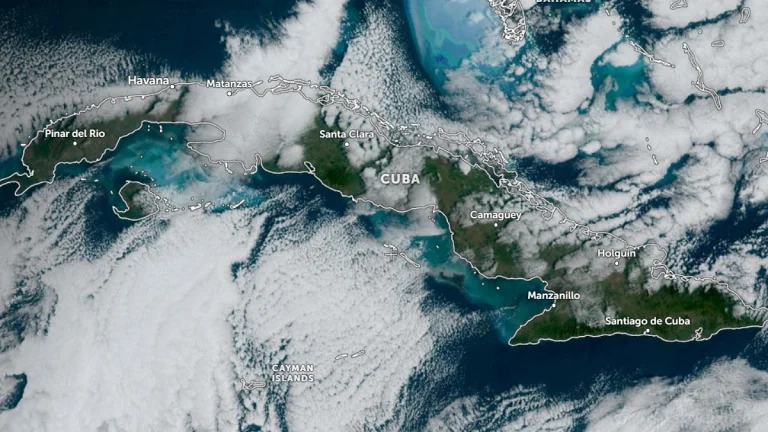
Cuba saw historic low temperatures on February 3, 2026, with a weather station in the province of Matanzas recording a temperature of 0°C (32°F) for the first time on record.
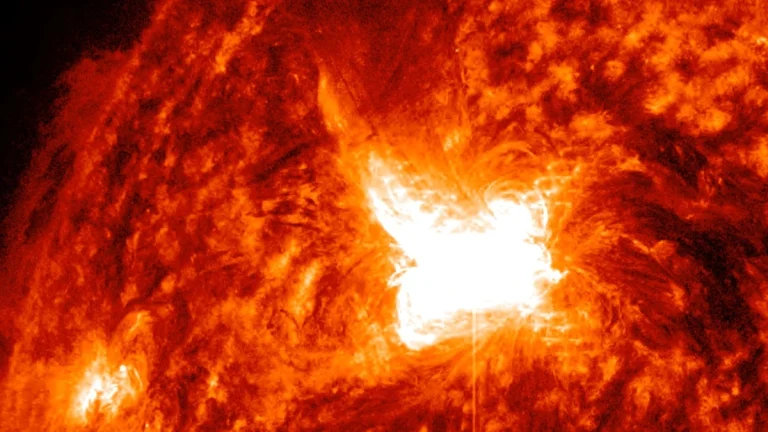
A major X8.1 solar flare erupted from Active Region 4366 at 23:57 UTC on February 1, 2026, following rapid magnetic expansion and intense flaring throughout the day. The region also produced an X1.0 flare at 12:33 UTC on February 1 and an X2.8 event at 00:36 UTC and an X1.6 at 08:14 UTC on February 2, accompanied by more than 20 M-class flares since 02:00 UTC on February 1.

At least 5 people have been reported dead after the heaviest rain in over 70 years struck parts of Tunisia, dropping over 200 mm (8 inches) of rainfall since Monday, January 19, 2026. A Red Alert (the highest warning level) was issued for the Grand Tunis area as well as the Nabeul and Monastir provinces as rainfall and floods continued through Tuesday into Wednesday, January 20-21.

A powerful, prolonged snowstorm that began on January 12, 2026, has paralyzed the Kamchatka Peninsula in Russia, with snow depths reportedly reaching up to 500 cm (16 feet) in some areas. A municipal-level State of Emergency was declared for Petropavlovsk-Kamchatsky after two people were killed by snow sliding off rooftops on January 15.
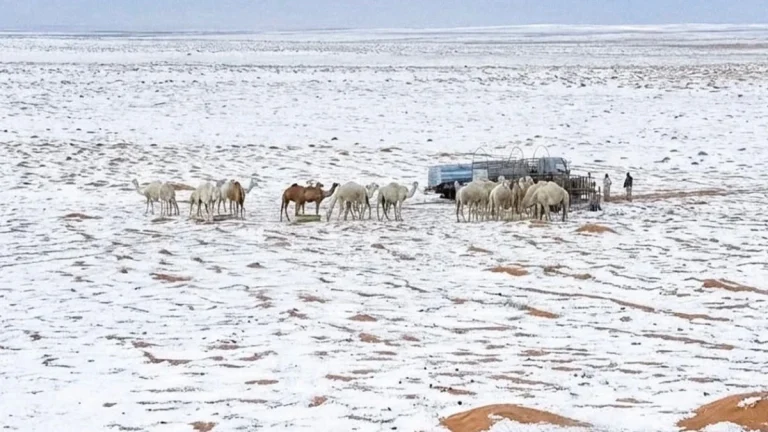
A rare widespread snowfall event affected northern Saudi Arabia in December 2025, transforming desert landscapes and mountain ranges across Tabuk and Hail into snow-covered terrain. The snowfall occurred as a sharp cold air intrusion lowered temperatures below freezing at higher elevations, with snow settling near 2 600 m (8 530 feet) and surface temperatures reported near −4°C (25°F), according to regional media reports. Such widespread snowfall over desert areas is considered exceptionally uncommon for the region.

Historic flooding in December 2025 placed Washington state in the middle of a statewide crisis, with impacts ongoing and damage assessments still underway as of December 17. Prolonged heavy rainfall has inundated communities, damaged levees and transportation infrastructure, and forced large-scale evacuations across multiple counties. At least one person died after driving into deep floodwaters.
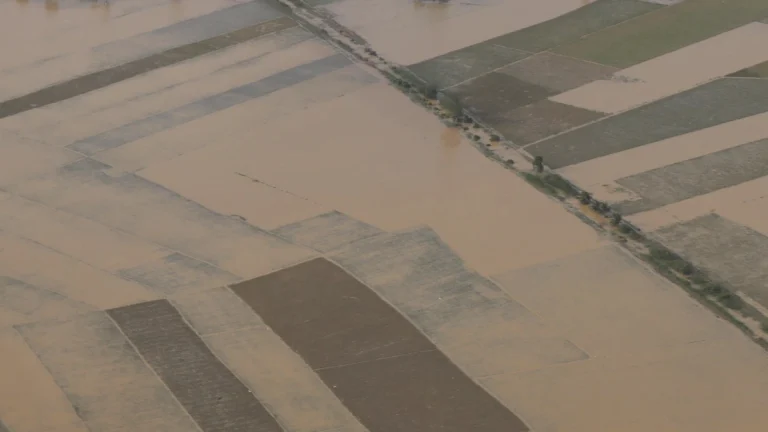
Over 1 000 people have died and hundreds remain missing on Tuesday, December 2, 2025, after rare Tropical Cyclone Senyar brought severe flooding and landslides across Indonesia, Thailand, and Malaysia.

A low-pressure area developed over the Strait of Malacca on November 22, 2025, and gradually organized into Cyclonic Storm Senyar on November 26. The rare low-latitude system made landfalls in northern Sumatra and Peninsular Malaysia, producing extreme rainfall and catastrophic flooding across Indonesia, Malaysia, and southern Thailand. At least 316 people were killed and thousands displaced before Senyar weakened into a low-pressure remnant on November 28.

Deadly floods triggered by record rainfall over the last week have claimed at least 33 lives in Thailand as of November 27, 2025. The government deployed military ships and helicopters to support the relief efforts across multiple provinces.

The Philippine government declared a state of calamity on November 6, 2025, after Typhoon Kalmaegi left 114 people dead, 127 missing, and displaced more than 560 000 residents while flooding parts of the Visayas, according to the National Disaster Risk Reduction and Management Council (NDRRMC).
