• New eruption starts at Mount Etna, Italy

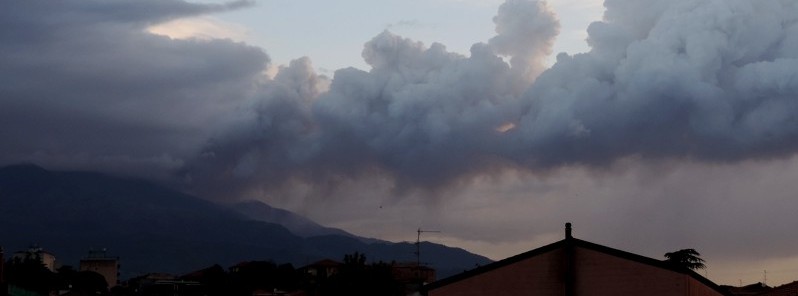
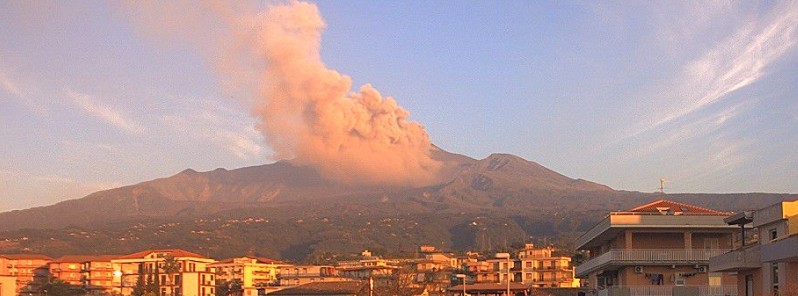
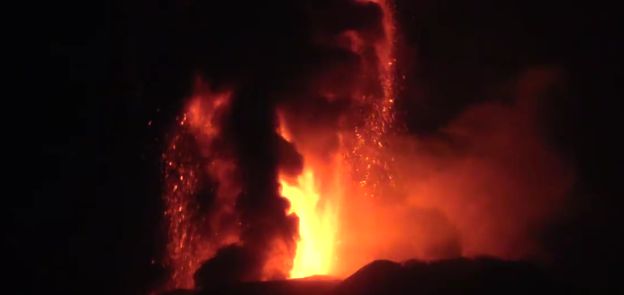
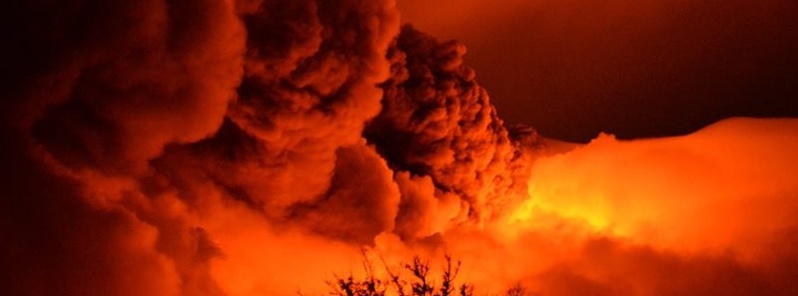
    After a gradual resumption of activity observed at Italy's Etna volcano since early April 2016, the volcano is now exhibiting mild to strong strombolian activity accompanied by dense smoke. The Aviation Color Code is Orange. During the night of May 16, 2016,…

  • Ash emissions from Etna’s Northeast Crater, Italy

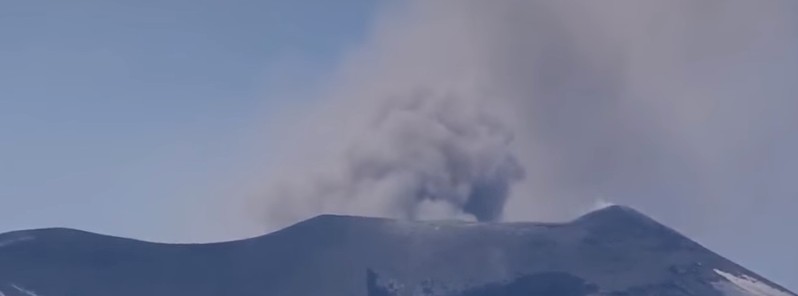
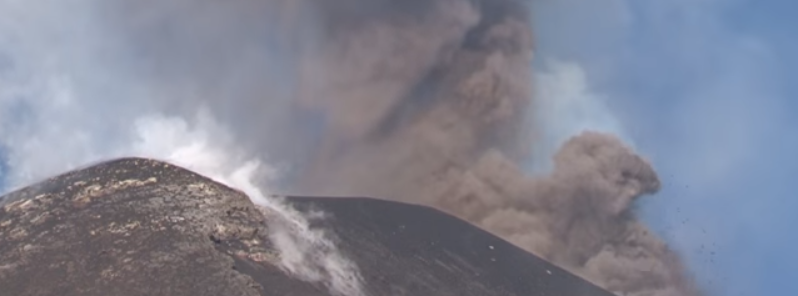
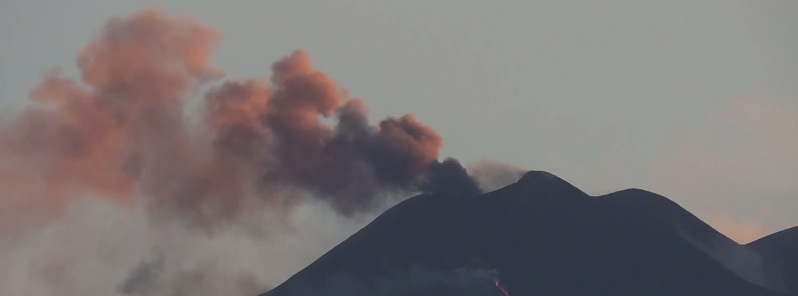
    Intermittent weak to moderate ash emissions are being observed at Northeast Crater of Italy's Mount Etna over the last couple of days. Weak incandescence can be observed at night, but current events show no signs that could indicate fresh lava. Surface…

  • Etna erupts in the most violent paroxysm in two decades

    Mount Etna, volcano on the east coast of Sicily, erupted violently on December 3, 2015, and produced a high lava fountain in several kilometers long eruption column. The paroxysm was one of the most violent Etna's eruptions recorded over the last 20 years,…

  • Etna erupting on the evening of May 13, new lava flow

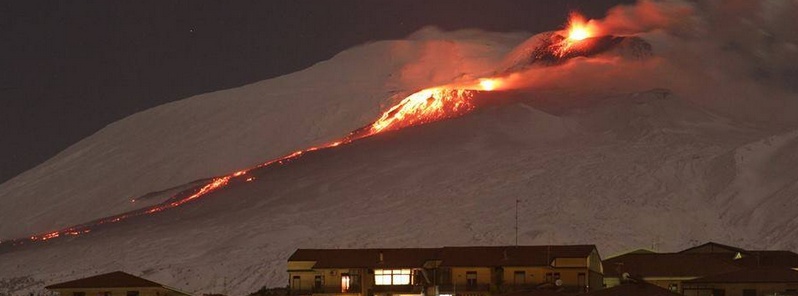
    Following almost three-and-a-half months of total quiescence Etna's New Southeast Crater is again in business.Following mild Strombolian activity that started early on May 12, 2015, the activity diminished on the afternoon of the 13th and then became again more

  • Significant ash emissions observed at Mount Etna, Italy

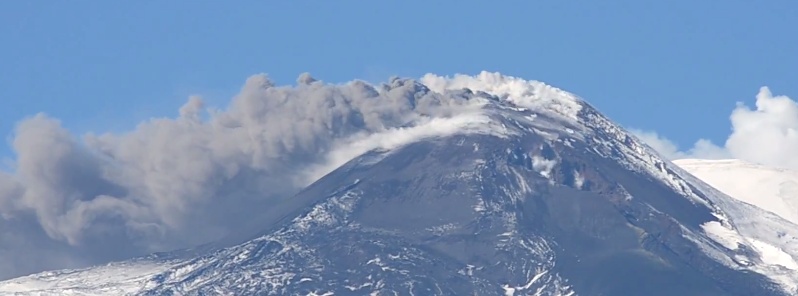
    Significant ash emissions are being observed at Italy's Mount Etna today. At 07:13 UTC, Toulouse VAAC reported ash emissions that started at 06:25 UTC are below 4.5 km.Aviation Color Code has been raised to Red.​The following timelapse video by Turi Caggegi shows

  • Intense eruption of Italy’s Mount Etna

    On Sunday, December 28, 2014 Italy's Etna volcano produced a brief but the most intense eruption of the year, the strongest since December 2, 2013.The activity started rather abruptly at about 16:50 UTC and has rapidly intensified, accompanied by a sudden increase o

  • New vent opens up at Etna volcano, Italy

    A new vent opened yesterday morning at 09:14 UTC at Etna volcano, Italy. The new vent is located about 150 – 200 metres north of the two previous vents at the eastern base of the NE crater.Its activity is characterized by small strombolian explosions while a lava f