Supernova radiation linked to virus evolution in Lake Tanganyika, Africa
A supernova explosion approximately 2.5 million years ago may have influenced viral evolution on Earth in Lake Tanganyika, Africa’s deepest lake.


A supernova explosion approximately 2.5 million years ago may have influenced viral evolution on Earth in Lake Tanganyika, Africa’s deepest lake.
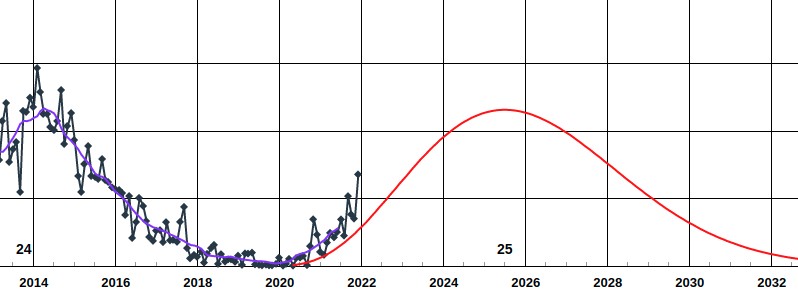
New sunspot counts from National Oceanic and Atmospheric Administration (NOAA) confirm that Solar Cycle 25 sunspot numbers have now exceeded predictions for 15 straight months. Consequently, the geomagnetic activity is ramping up while cosmic rays reaching Earth are…
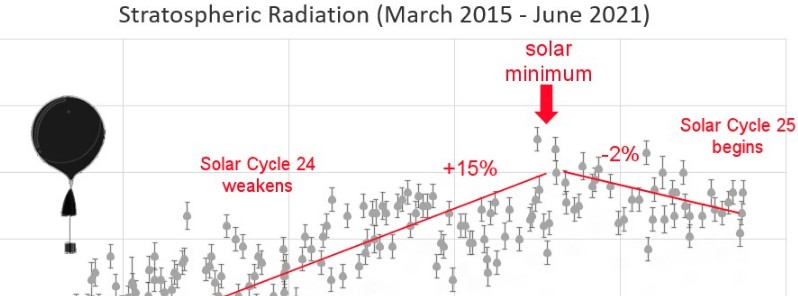
New data provided by the students of Earth to Sky Calculus and Dr. Tony Phillips of SpaceWeather.com show that cosmic radiation levels in the Earth's atmosphere are decreasing as the new solar cycle — Solar Cycle 25 — gains strength. The plot below shows…

Archaeologist and Thunderbolts colleague Peter Mungo Jupp presents a radical idea that civilization-destroying plagues may be governed by electromagnetism such as cosmic rays. Nature often uses triggers based on hard to pinpoint factors when losing its newest…
Recent solar conditions indicate a persistent decline in solar activity‐‐‐possibly similar to the past solar grand minima, scientists reporting in AGU's Space Weather write. During such periods of low solar activity, the fluxes of galactic cosmic rays…
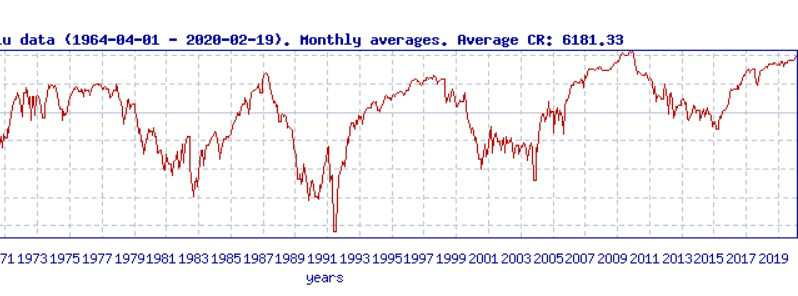
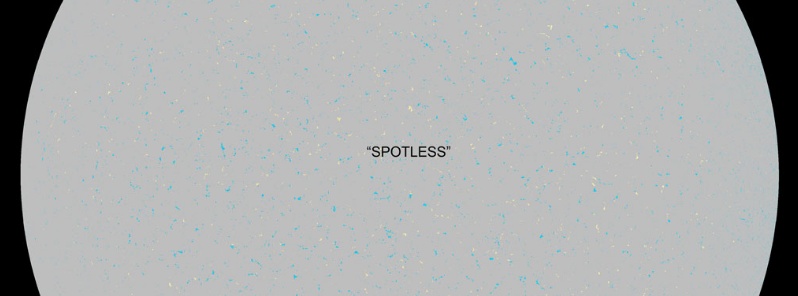
Solar activity is at very low levels and the visible disk remains spotless for the 17th day in a row, making a total of 33 days in 2020 or 66 percent — we are still in a Solar Minimum, which is expected to end sometime this year. As a result of weakened Sun's…
Solar wind parameters in 24 hours ending 12:30 UTC today were indicative of a slightly enhanced and disturbed interplanetary magnetic field (IMF) due to weak coronal hole high speed stream (CH HSS) influences. Total IMF strength was variable, but steadily increased…
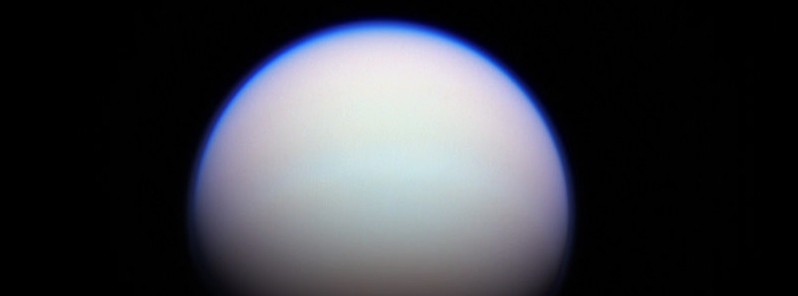
A team of Japanese researchers– using data from the Atacama Large Millimeter/submillimeter Array (ALMA)– discovered that galactic cosmic rays affect the chemical reactions involved in the formation of organic molecules bearing nitrogen on the atmosphere of…
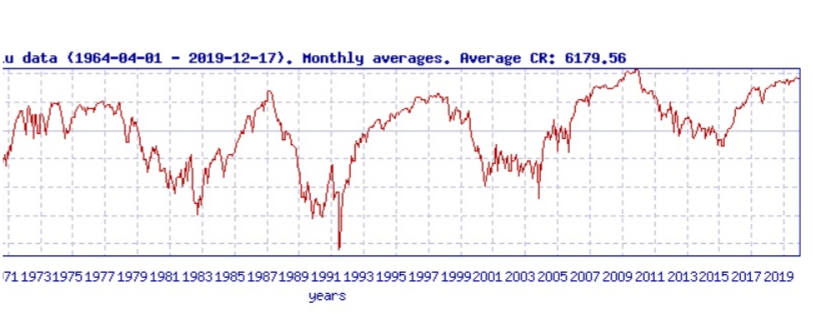
Cosmic radiation has hit the 5-year high this month and is approaching record high values as the Sun sets a new Space Age record for spotlessness — days without sunspots. The Sun’s magnetic field weakens during solar minimums, allowing deep space cosmic…
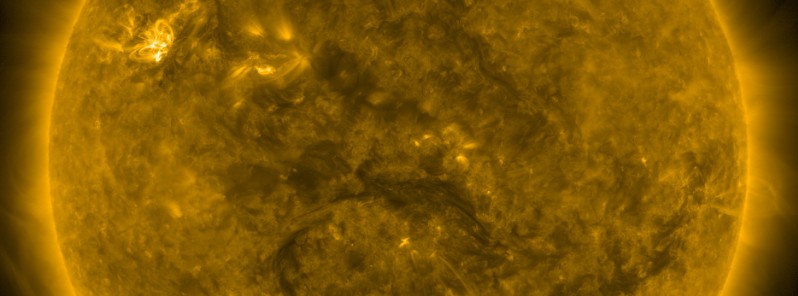
According to the Laboratory for X-ray Solar Astronomy of the PN Lebedev Physical Institute in Russia, the solar activity cycle has, by all indications, practically reached its minimum 1.5 years ahead of expected time. Given that the previous solar maximum in 2012…
