
Hawaiian carbon isotopes point to an outer Solar System source for Earth’s carbon
Carbon isotopes preserved in microscopic melt inclusions from Hawaiian volcanic rocks have given researchers what they describe as the first observational estimate of the isotopic composition of carbon in Earth’s core. The unusually heavy signature, interpreted as carbon exchanged from the core into the mantle, points to carbon-rich material from the outer Solar System as a primary source of Earth’s carbon during the final stages of planetary assembly.
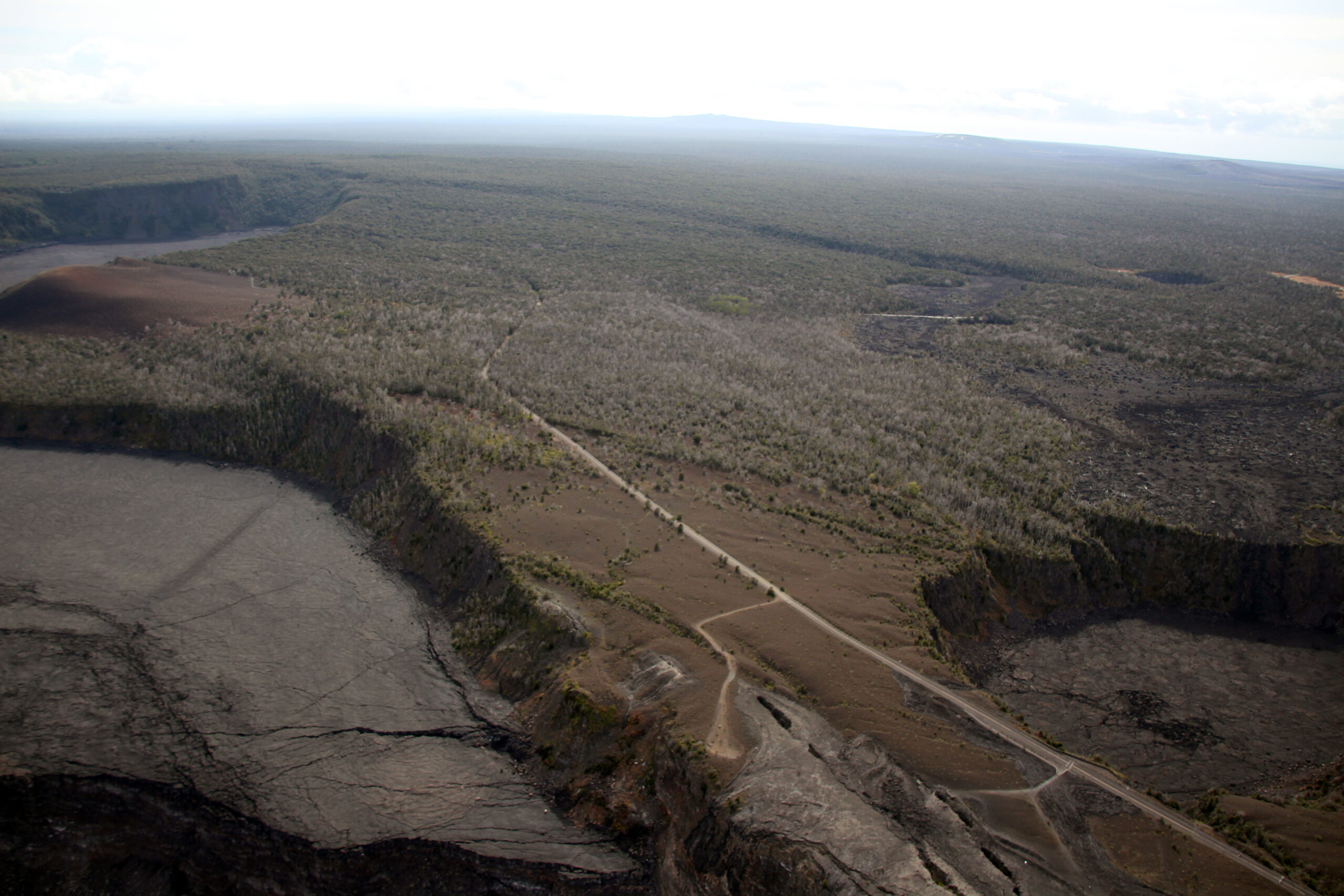
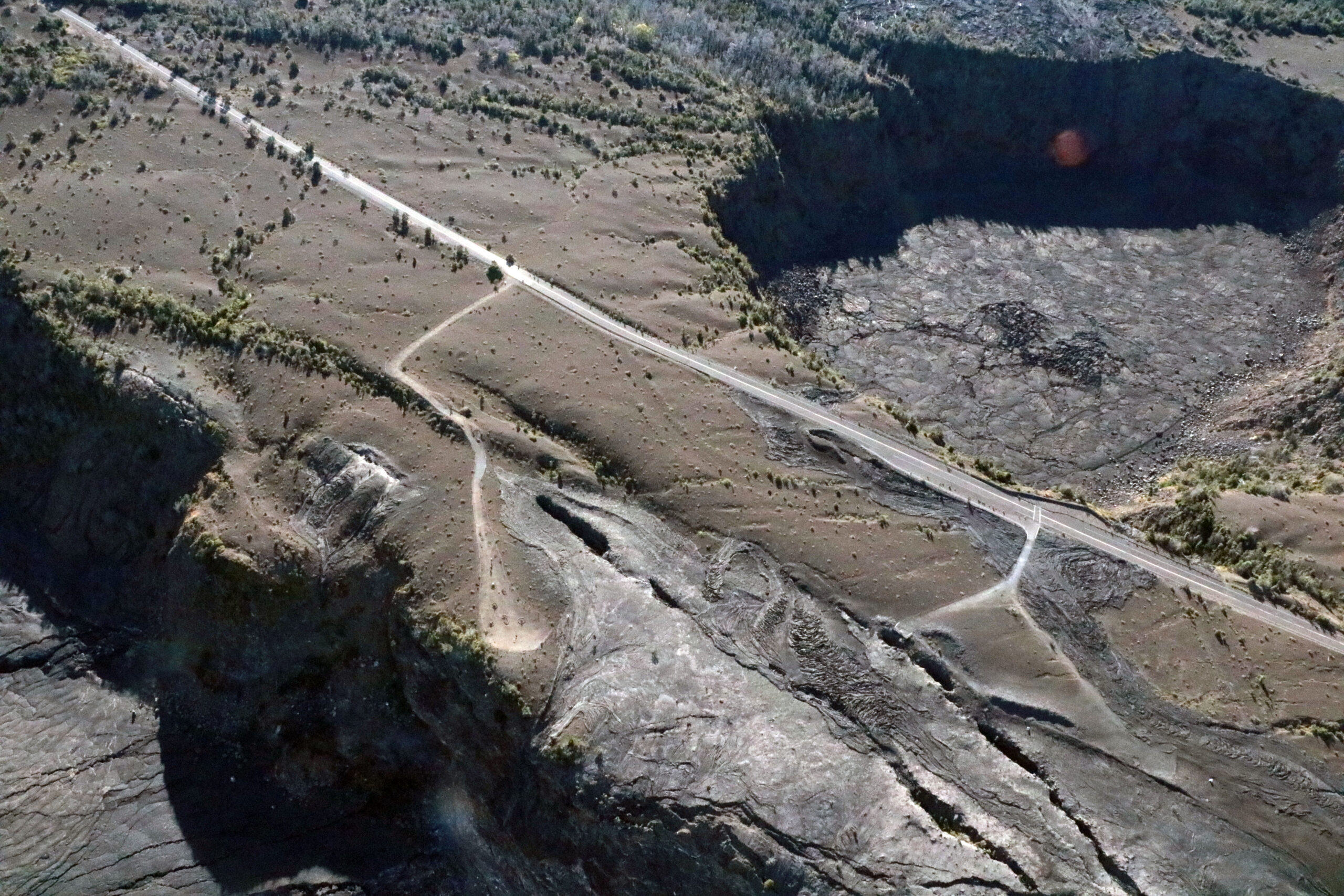
Aerial view of the Kīlauea summit region showing Kīlauea Iki Crater at upper left, Puʻu Puaʻi at left and Keanakākoʻi Crater at lower right. The study analyzed material associated with both the Keanakākoʻi eruptive period and the 1959 Kīlauea Iki eruption. Credit: USGS Hawaiian Volcano Observatory/N. Deligne. Public domain
Moussallam et al. (2026) obtained the new constraint by analyzing carbon isotopes in melt inclusions preserved inside minerals from Hawaiian volcanic rocks. The sample suite includes material associated with the Keanakākoʻi eruptions from 1500 to 1840 and the 1959 Kīlauea Iki eruption, providing microscopic pockets of magma that were sealed inside growing crystals before substantial degassing could alter their carbon inventory.
A reservoir that cannot be sampled directly
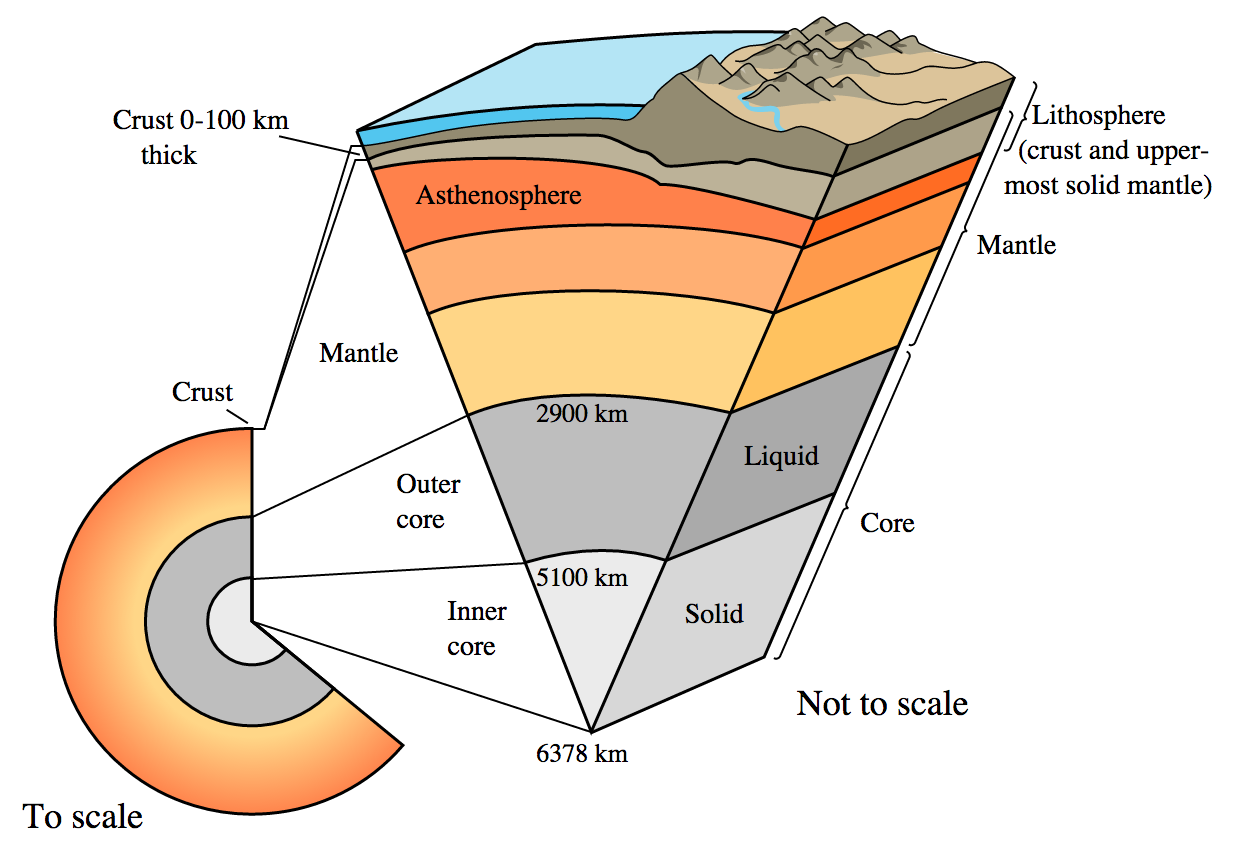
The scientific problem begins thousands of kilometres beneath the surface. Earth’s core is thought to contain most of the planet’s carbon, but no material has ever been physically recovered from it. The mantle above the core is approximately 2 900 km (1 800 miles) thick, leaving researchers dependent on indirect chemical and geophysical evidence when they try to reconstruct the core’s composition.
The Hawaiian mantle plume offers one possible route into that problem. Mantle plumes are buoyant upwellings of unusually hot mantle material. In the interpretation used by the study, the central part of the Hawaiian plume carries a chemical signature from material that originated near the thermal boundary layer above the core-mantle boundary, while mantle entrained around the plume’s outer part represents a more typical mantle source.
What is a mantle plume?
A mantle plume is an upwelling of hot mantle material rising through Earth’s interior. The rock remains predominantly solid through much of its ascent but can partially melt as pressure decreases nearer the surface, producing magma that feeds hotspot volcanism. The Hawaiian plume is one of the best-known examples.
Melt inclusions preserve carbon before it escapes
The study relies on melt inclusions, microscopic pockets of magma trapped inside crystals as they grow. Carbon dioxide and other volatile compounds normally escape from magma as pressure falls during ascent and eruption. A melt inclusion sealed before that process advances can preserve a chemical record of the magma at greater depth.
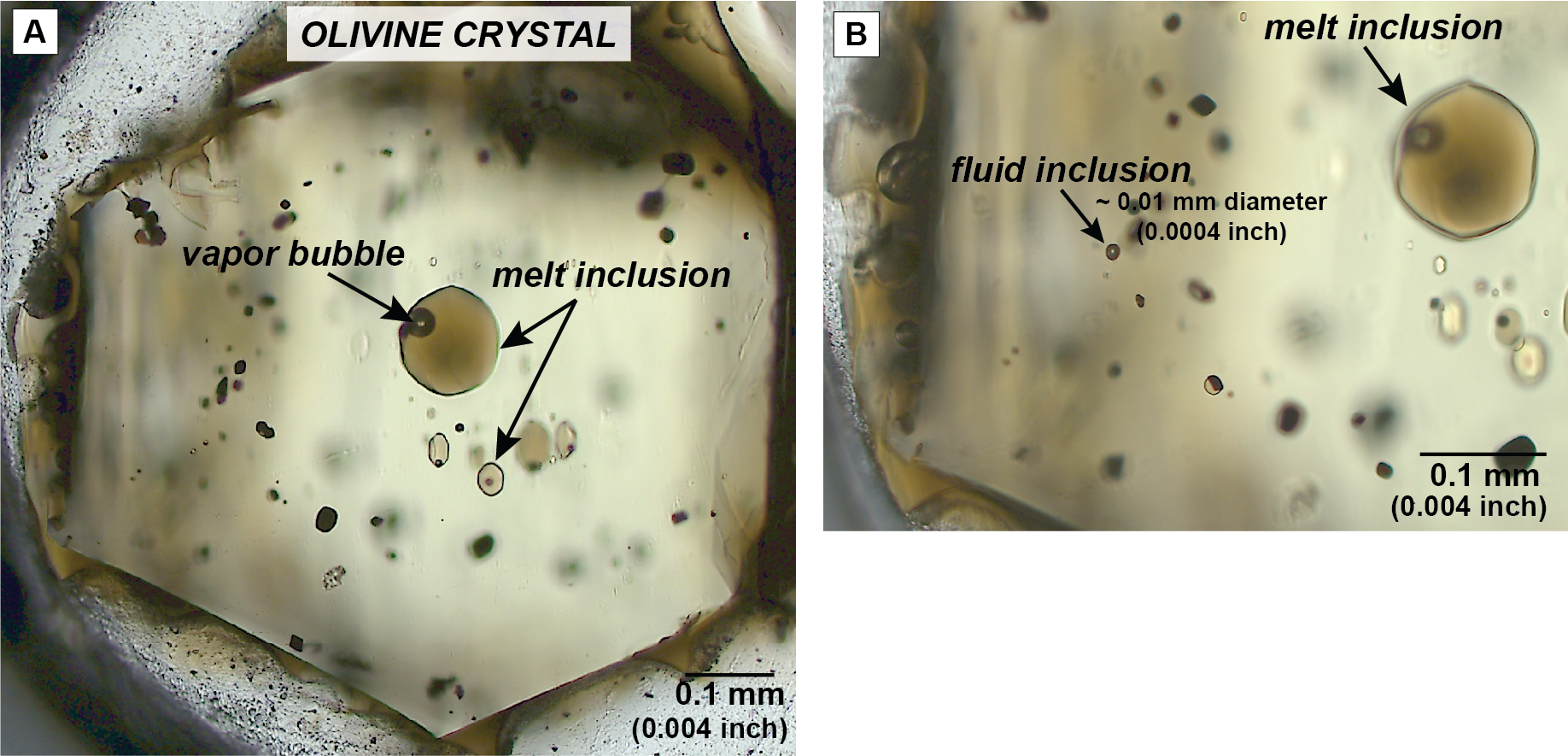
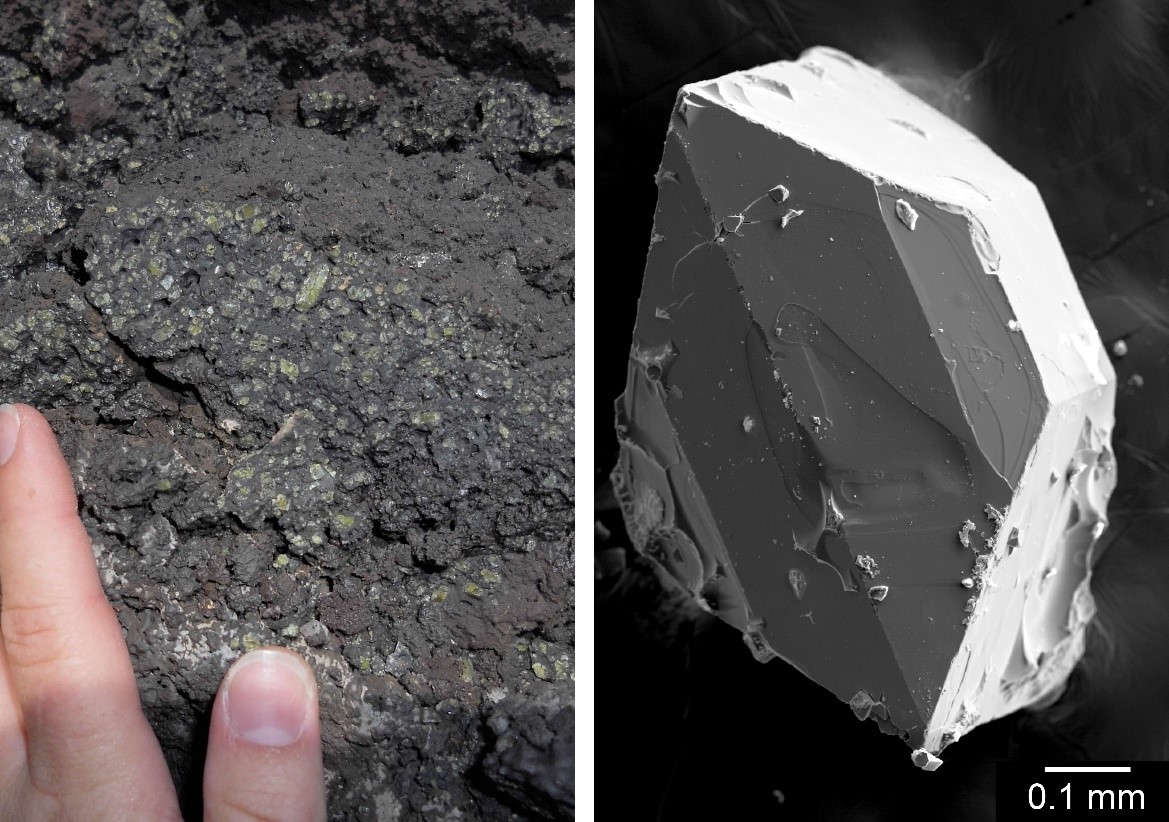
Olivine is particularly useful because crystals can trap melt while magma is still underground. Once isolated, an inclusion acts as a small protected sample that can retain dissolved volatile components and isotope ratios that are harder to reconstruct from fully degassed lava at the surface.
A measurable isotope difference
The researchers measured δ¹³C, a quantity describing the ratio of the stable carbon isotopes carbon-13 and carbon-12 relative to a reference standard. Results are expressed in per mille (‰), meaning parts per thousand. A less negative δ¹³C value represents carbon that is relatively richer in the heavier isotope, carbon-13.
| Evidence | Result | Status |
|---|---|---|
| Shield-stage melt inclusions | δ¹³C = −1 ± 2‰ | Measured; interpreted to sample the plume’s central axis |
| Rejuvenated-stage melt inclusions | δ¹³C = −7 ± 2‰ | Measured; interpreted as normal mantle entrained around the plume |
| Origin of the heavy component | Core-derived carbon | Researcher interpretation |
| Planetary source | Carbonaceous chondrite material | Inference from the interpreted core isotope composition |
Shield-stage melt inclusions, interpreted by the researchers as sampling the central axis of the Hawaiian plume, converge toward a primary δ¹³C composition of −1 ± 2‰. Rejuvenated-stage inclusions, derived from mantle entrained around the plume’s periphery, record −7 ± 2‰, which the study identifies as a normal mantle source signature.
The central values are therefore separated by about 6‰. That isotope contrast is the principal observation. The claim that the heavier component came from Earth’s core is not itself a direct measurement; it follows from the team’s interpretation of which mantle reservoir supplied the shield-stage magma.
How to read the isotope numbers
Both values are negative, but −1‰ is heavier in carbon-isotope terms than −7‰ because it represents a higher carbon-13 to carbon-12 ratio relative to the reference standard. The ±2‰ values describe the uncertainty associated with each inferred primary composition.
“We interpret this as carbon leaking from the core.”
Damanveer Grewal, Yale University and study co-author
Grewal described the result as the first observational estimate of the isotopic composition of carbon in Earth’s core. The qualification matters: the Hawaiian isotope signal is observed, but its assignment to core-derived carbon depends on the plume-source interpretation.
Keep reading
The core interpretation remains a hypothesis to test
Lead author Yves Moussallam has said the team considers a core contribution the most probable explanation but does not regard it as certain. Other processes must be tested against the isotope data, including the possibility that material recycled from Earth’s surface affected the Hawaiian mantle source.
That caution is important because all of the new measurements come from the Hawaiian plume system. A core-derived signal should be testable elsewhere in mantle plumes believed to originate at comparable depths. Moussallam has said the researchers plan to examine other volcanic hotspots to determine whether similarly heavy carbon signatures occur beyond Hawaiʻi.
From Earth’s core to the material that built the planet
The second part of the study uses the inferred core composition to address where Earth’s carbon originated during planetary formation. If carbon in the core retains information about the material incorporated while the planet was differentiating, its isotope composition provides a separate constraint from carbon now stored in the mantle, crust and atmosphere.
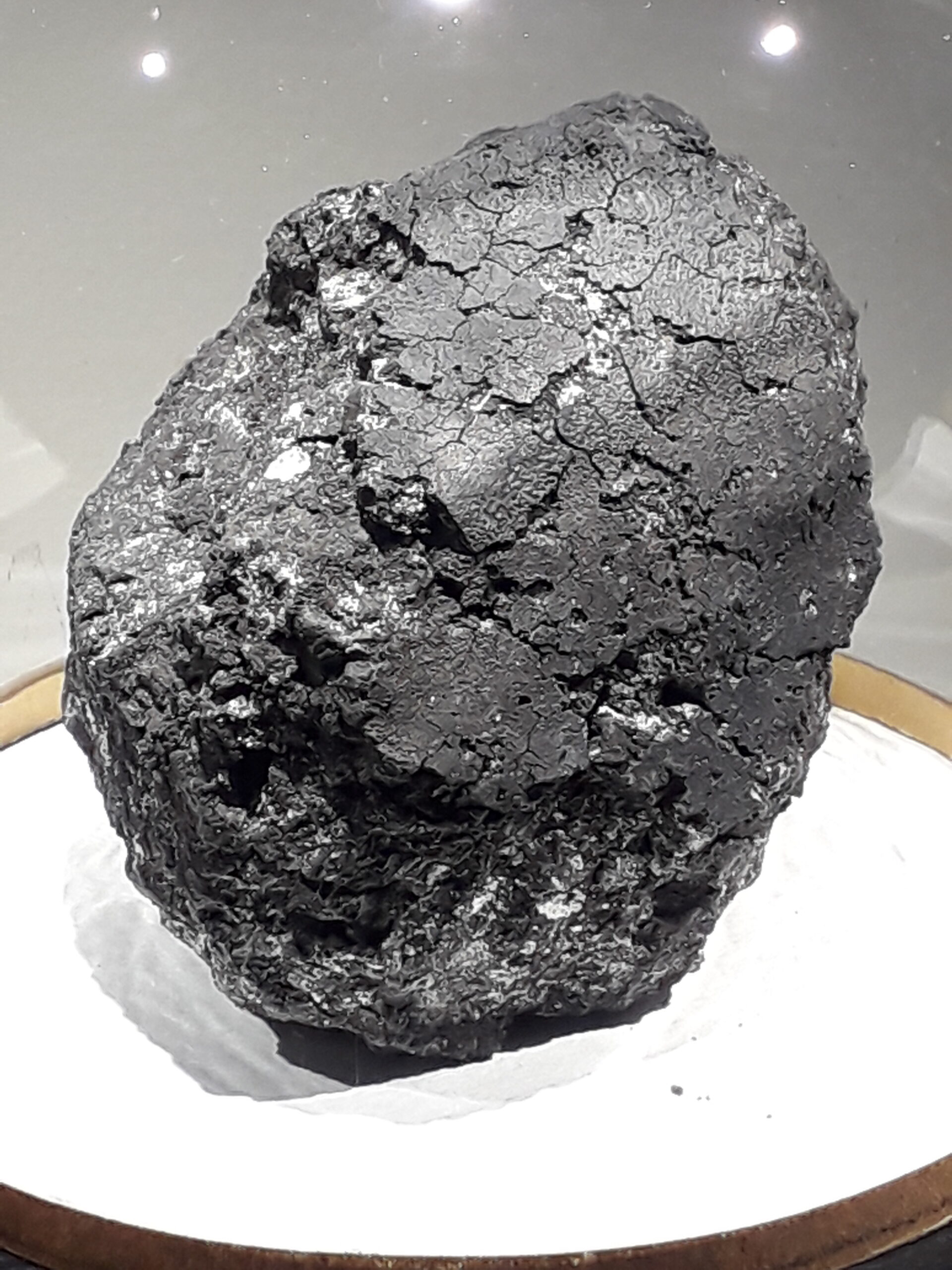
The authors report that the inferred core signature is too rich in carbon-13 to be explained by the carbon-poor noncarbonaceous material associated with the inner Solar System that supplied much of Earth’s mass. Instead, they find a closer match with carbon-rich carbonaceous chondrites, a primitive class of meteorites associated in their formation model with material from farther out in the early Solar System.
The Hawaiian measurements do not independently identify where individual carbon atoms formed in the Solar System. The outer-Solar-System conclusion comes later in the evidence chain: researchers first infer a carbon-isotope composition for the core and then compare that composition with candidate planetary building materials.
Why the delivery window matters
The proposed source also places constraints on timing. Carbonaceous material delivered too early in Earth’s growth could have been lost during subsequent energetic collisions, while carbon arriving only after core formation had largely ended would not have been incorporated into the metallic core in the same way.
The study therefore places the important carbon delivery during the final stages of Earth’s main accretion. PNAS describes the result as evidence that carbonaceous chondrite material supplied Earth’s carbon late enough to survive planetary growth but early enough to become incorporated into the differentiated planet.
A separate question: can the core exchange material with the mantle?
The work also enters an active debate over chemical exchange across the core-mantle boundary. Earth’s metallic core and rocky mantle separated during planetary differentiation, but several isotope systems have been investigated for evidence that the boundary between them has not remained completely chemically closed over geological time.
The PNAS paper cites earlier work involving tungsten, helium, hydrogen and other isotope systems in mantle-plume rocks. If the Hawaiian carbon anomaly ultimately proves to have a core origin, carbon would add another tracer for investigating material transferred from the core into the mantle.
What would confirm the interpretation?
The strongest next test is geographic. The isotope contrast measured in Hawaiʻi is real within the analyzed samples, but its proposed connection to the core depends on the structure and origin assigned to the Hawaiian plume. Finding a comparable heavy-carbon signature in independently sampled deep mantle plumes would make a localized Hawaiian explanation more difficult to sustain.
Measurements from other hotspots could therefore separate two questions that remain linked in the current study: whether the −1 ± 2‰ component is a general signature of material rising from near the core-mantle boundary, and whether that component can reliably be used to reconstruct the carbon isotope composition of the core itself.
Measured, inferred and still unresolved
Measured: carbon-isotope compositions of Hawaiian melt inclusions, including the −1 ± 2‰ shield-stage and −7 ± 2‰ rejuvenated-stage values.
Inferred: that the heavier shield-stage component represents carbon exchanged from Earth’s core into the mantle.
Further interpretation: that the inferred core composition points to carbonaceous chondrites associated with the outer Solar System as the primary source of Earth’s carbon.
Unresolved: whether the same heavy-carbon signature occurs in other deep mantle plumes and whether alternative mantle processes can reproduce it.
The study therefore does not amount to a direct sample of Earth’s core or a final answer to the origin of terrestrial carbon. Its contribution is a new observational constraint on a reservoir previously regarded as effectively inaccessible: a measurable carbon-isotope difference in Hawaiian plume material that can now be tested against competing explanations and against samples from other deep mantle hotspots.
References:
1 Moussallam, Y., Grewal, D. S., Georgeais, G., Lee, H., Rose-Koga, E. F., Lerner, A., Holman, B., Wallace, P. J., Gauer Pasqualon, N., Anderson, O. E., & Jackson, M. G. (2026). Isotopically heavy carbon in the core. Proceedings of the National Academy of Sciences, 123(46), e2610912123. DOI: 10.1073/pnas.2610912123
2 Earth’s ‘core carbon’ may have come from the far reaches of the solar system – Yale News – November 9, 2026
3 A New Origin Story for Earth’s Carbon – Lamont-Doherty Earth Observatory, Columbia University – November 18, 2026

Rishav Kothari is Editor-in-Chief of The Watchers, where he runs the newsroom and covers earthquakes, volcanoes, severe weather and space weather.
More reporting
- Atlantic circulation shifts repeatedly reshaped North Pacific oxygen minimum zones
- Seismic modelling resolves a distorted structure above Earth’s core–mantle boundary
- Pacific climate variability shapes Arctic sea ice but cannot reliably time its ice-free transition
- NASA turns California lidar surveys into high-resolution maps of wildfire fuel structure
