• Messenger finds new evidence for ice on Mercury

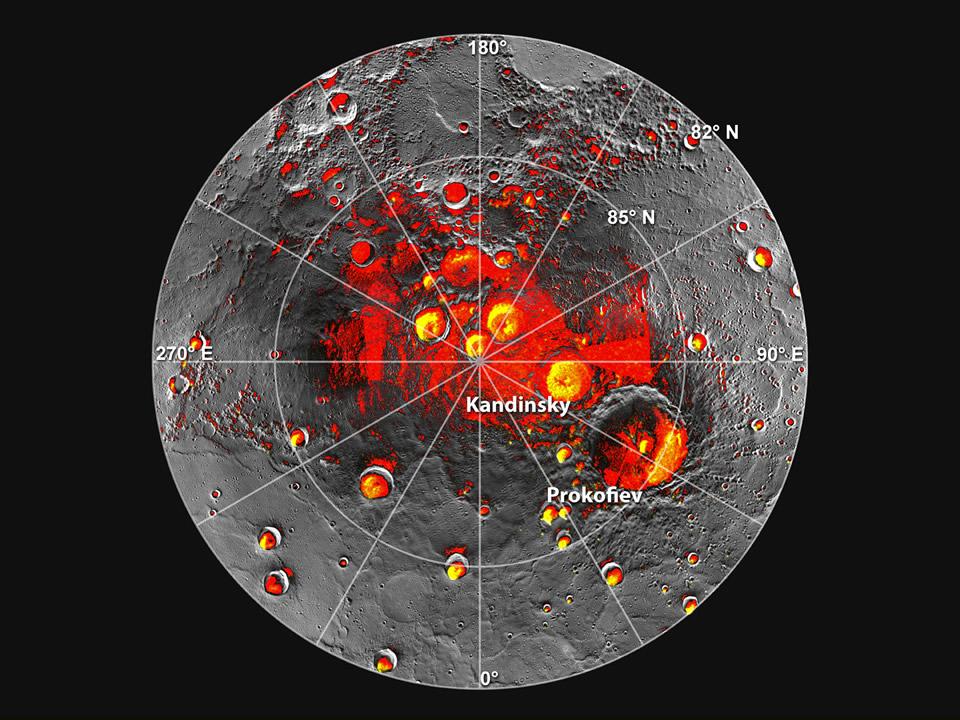
    New data from NASA’s MESSENGER spacecraft suggest that there’s plenty of ice on Mercury’s polar regions. Given its proximity to the Sun, Mercury would seem to be an unlikely place to find ice. But the tilt of Mercury’s rotational axis is almost zero — less than one
  • NASA is tracking huge dust storm on Mars

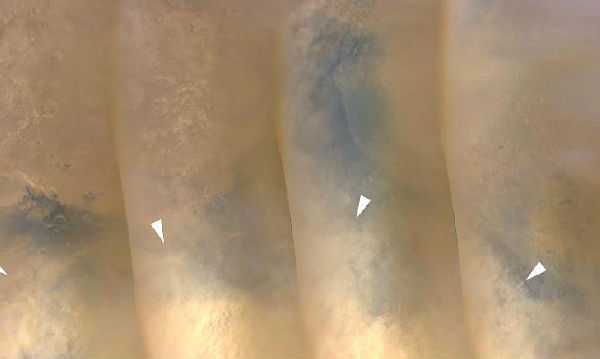
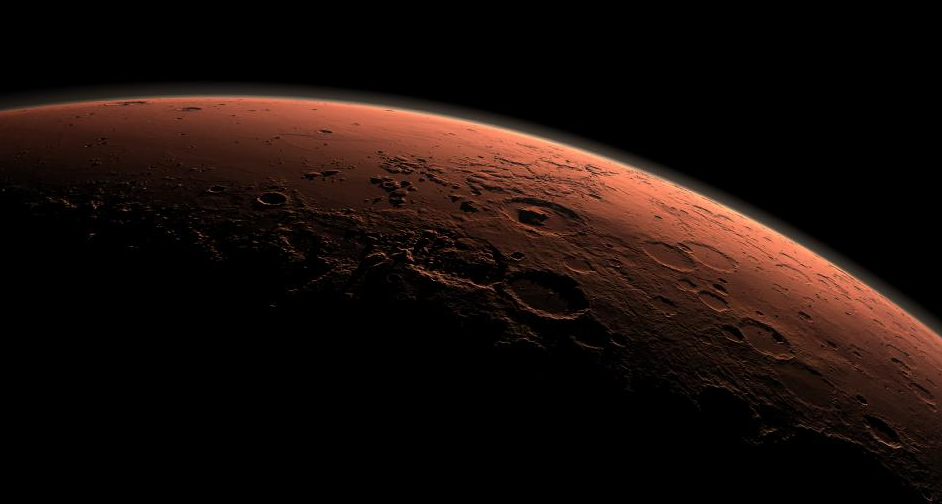
    Huge dust storm on Mars has spawned changes in the Martian atmosphere. The Martian dust storm was spotted by NASA’s Mars Reconnaissance Orbiter (MRO) on November 10, 2012 and has been tracked ever since. Opportunity rover recorded a slight drop in atmospheric

  • Aftermath of Saturn’s record-setting storm revealed

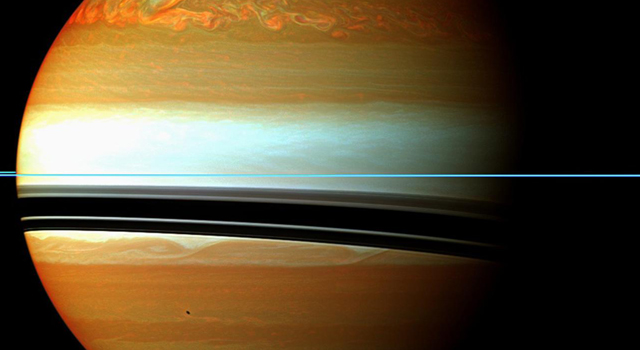
    The heat-seeking capabilities of the international Cassini spacecraft and two ground-based telescopes have provided the first look at the aftermath of Saturn’s ‘Great Springtime Storm’. Concealed from the naked eye, a giant oval vortex is persisting long after

  • 55 Cancri E – Super-Earth planet scientists think is likely made of diamond

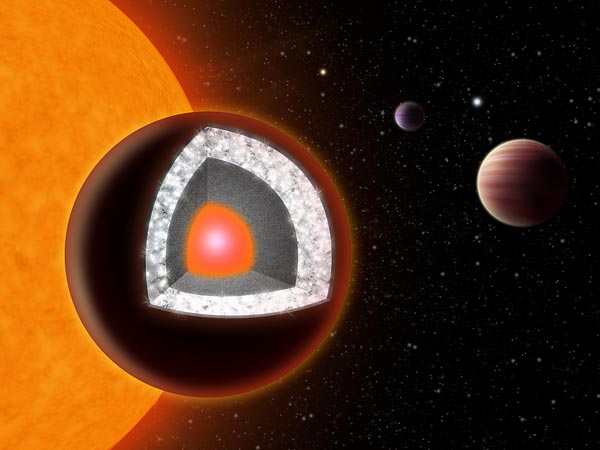
    A recent study done by Nikku Madhusudhan, a Yale postdoctoral researcher in physics and astronomy, Yale geophysicist Kanani Lee, and Olivier Mousis, a planetary scientist at the IRAP suggests a surface of a nearby super-Earth planet is covered in graphite and diamond.

  • “Why is the sky dark at night?” by Minute Physics (Video)

    Have you ever wondered why you look up and see a dark sky at night? The Minute Physics have created another great video explaining why the sky is dark at night. Minute Physics provides an energetic and entertaining view of old and new problems in

  • Amazing video of Jupiter’s rotation by Mike Phillips

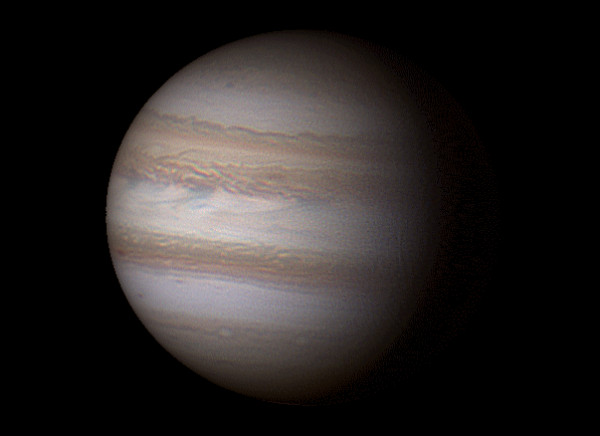
    Planetary astrophotographer Mike Phillips made amazing 8 second video of Jupiter. Mike filmed Jupiter through his home-made f/4.5 14″ Newtonian telescope for a consecutive 1.5 hours on September 12, 2012. He batched up groups of frames, stacked them together (to

  • Newly photographed Martian spheres pose mystery for scientists

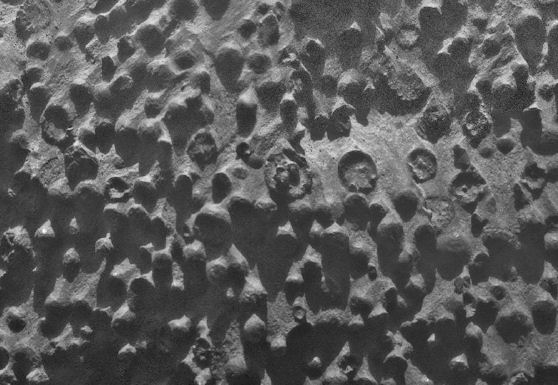
    In July 1965, Mariner 4 – NASA’s first spacecraft to fly by Mars – sent back its first images to Earth. Since then, dozens of spacecraft have been sent to explore the cold red planet. Consistently, the planet has raised far more questions than answers. In 1996,