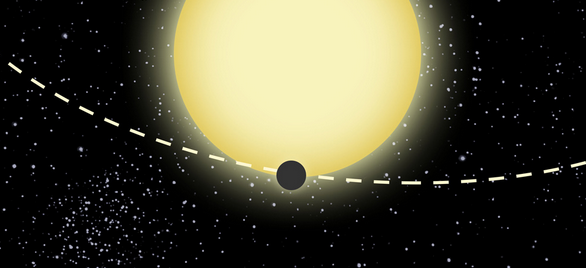
• New method of finding planets scores its first discovery

    A team at Tel Aviv University and the Harvard-Smithsonian Center for Astrophysics (CfA) has just discovered an exoplanet using a new method that relies on Einstein's special theory of relativity.

    Detecting alien worlds presents a significant challenge since they
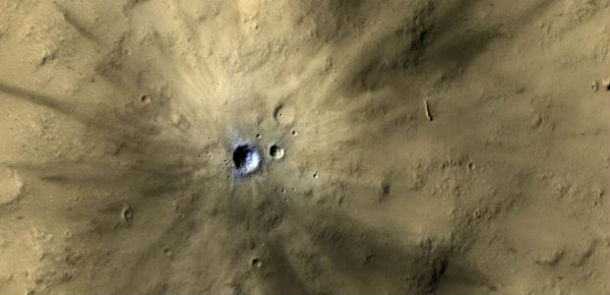
  • Mars bombarded by more than 200 asteroids per year

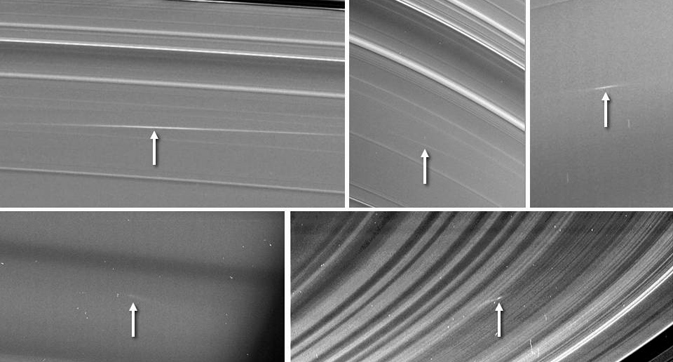
    With the help of images acquired by NASA's Mars Reconnaissance Orbiter, scientists have estimated that the Red Planet is bombarded by more than 200 small asteroids or fragments of comets every year which form craters at least 3.9 meters wide. During the past

  • First global topographic map of Titan, a world much like Earth

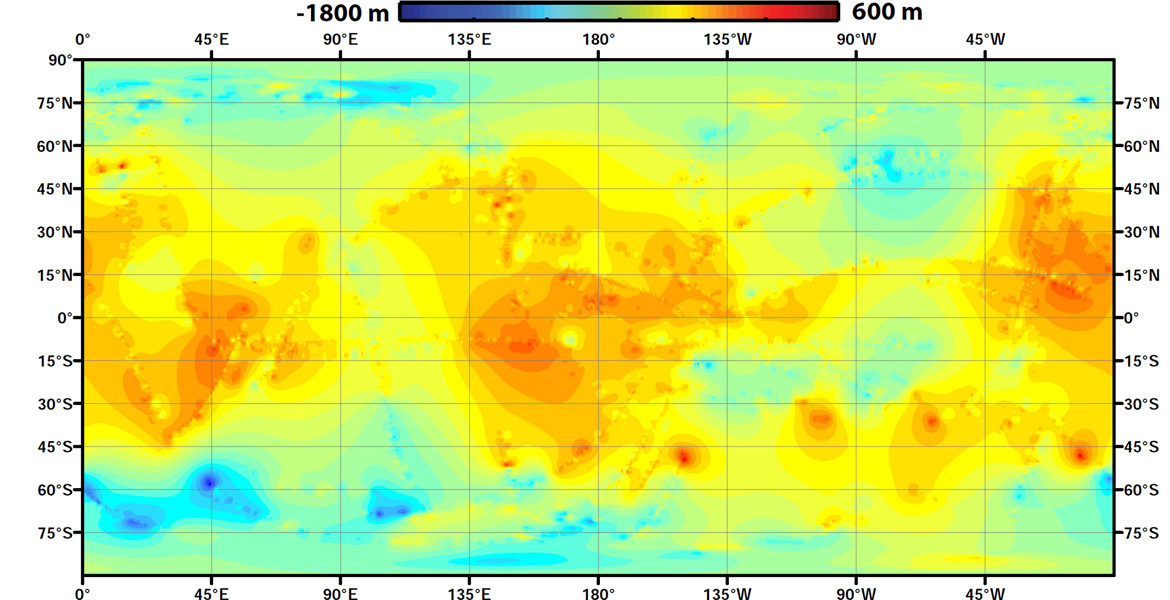
    Scientists have created the first global topographic map of Saturn's moon Titan giving researchers a valuable tool for learning more about one of the most Earth-like and interesting worlds in the solar system. The map was just published as part of a paper in

  • Massive hurricane-like storm on Saturn

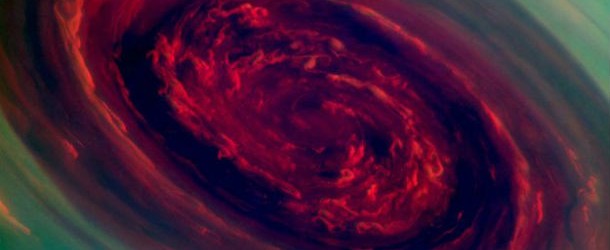
    The international Cassini spacecraft has found a behemoth hurricane swirling around Saturn’s north pole, surrounded by the curious rotating hexagonal band of clouds. This storm has been churning since at least 2006.

    The images Cassini took on November 27,

  • Saturn and Earth line up for an amazing view of the golden planet

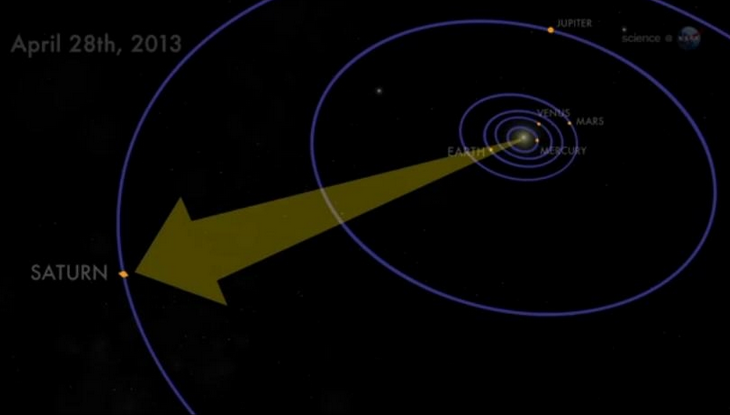
    If you have any interest in astronomy you have probably seen dozens if not hundreds of breathtaking images of the universe and our Solar System. Those images are usually acquired by some of Earth’s best spacecrafts, like Hubble, Cassini, Messenger and others who beam

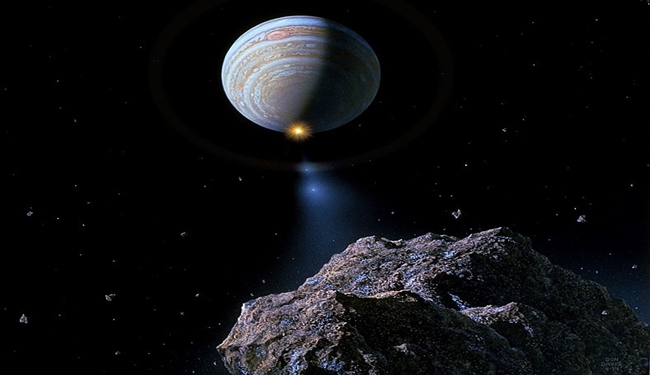
  • Water in Jupiter’s atmosphere came from 1994 comet impact

    Observations by ESA's Herschel space observatory have revealed origin of water's mysterious presence in Jupiter's atmosphere. Using sensitive spectral imaging, researchers were able to confirm that water came from historic comet impact in July

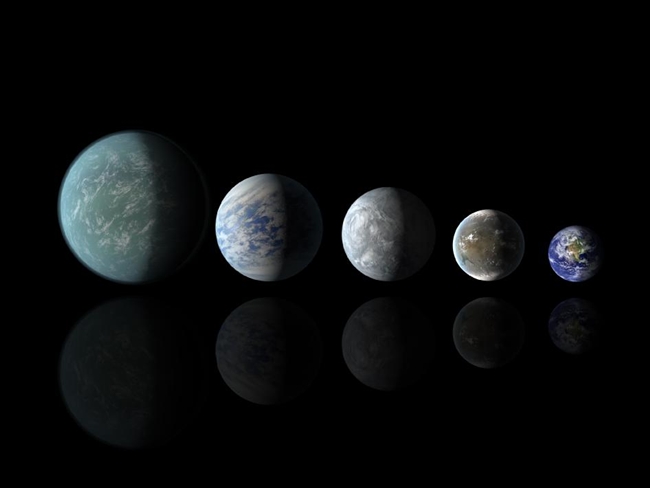
  • Kepler mission finds 2 most Earth-like planets

    Continuing its hunt for habitable planets, Kepler mission has discovered 3 new planets in “habitable zones” of their solar system, NASA revealed on Thursday, April 18, 2013. Two of the newly discovered planets are most Earth-like planets found to date. They belong to

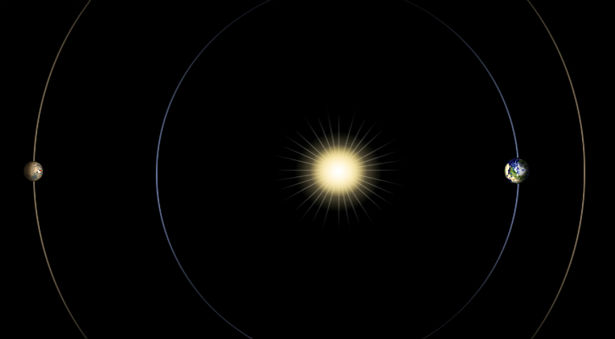
  • Earth-Mars communications affected by a Mars solar conjunction

    This month communication between Mars and Earth may be disrupted due to a planetary arrangement called Mars solar conjunction, where Mars will be passing almost directly behind the sun from Earth’s perspective. Mars solar conjunction happens once about every 26