• The "impossible" exoplanet – Space News from Electric Universe

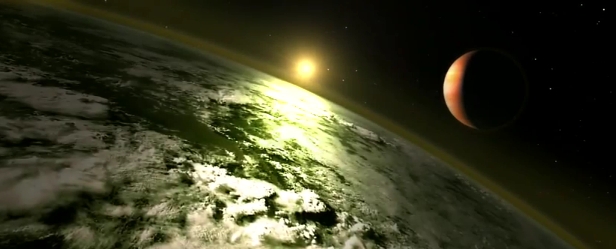
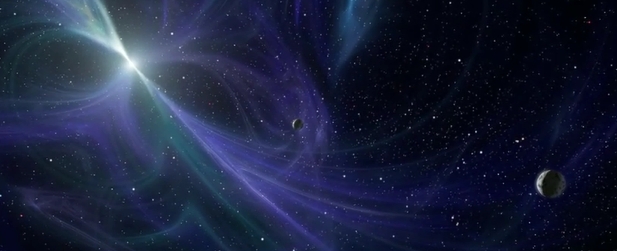
    International team of astronomers has found a planet further out than any other in a sun-like system, and it has many astronomers baffled. There were two things immediately puzzling about it: its mass, which came in at an immense 2 × 1025 metric
  • MAVEN on its way to study what went wrong on Mars

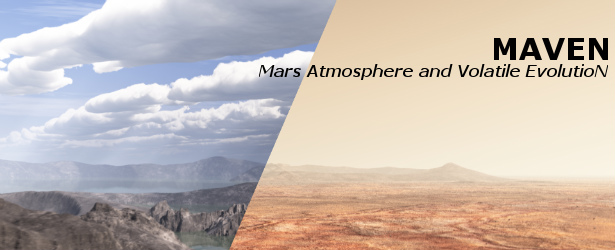
    The Mars Atmosphere and Volatile EvolutioN (MAVEN) mission is scheduled for launch today, November 18, 2013. The two-hour launch window opens at 18:28 UTC. This will be the first mission devoted to understanding the Martian upper atmosphere and what

  • The evolution of Mars – MAVEN ready for launch

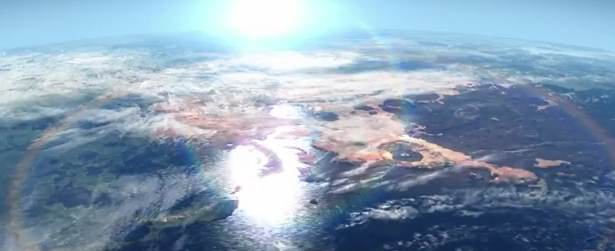
    Billions of years ago when the Red Planet was young, it appears to have had a thick atmosphere that was warm enough to support oceans of liquid water – a critical ingredient for life. The animation shows how the surface of Mars might have appeared during this

  • Mars atmosphere loss: neutral processes

    When you take a look at Mars, you probably wouldn't think that it looks like a nice place to live. It's dry, it's dusty, and there's practically no atmosphere. But some scientists think that Mars may have once looked like a much nicer place to live,

  • New flyover video of Red planet's surface

    New compilation video from images taken by ESA’s Mars Express spacecraft was released online on October 28, 2013. This video is compiled from images of nearly 12 500 orbits by the Mars Express, gathered from June 2003 by the High Resolution Stereo

  • Symbols of an Alien Sky – Official movie

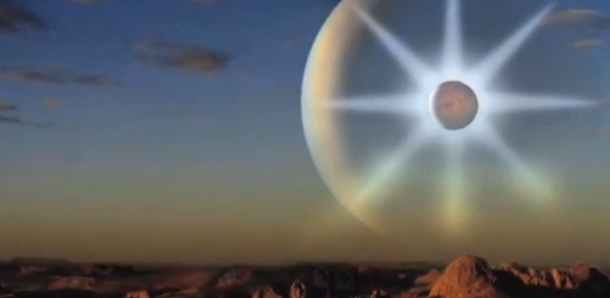
    Symbols of an Alien Sky will introduce you to celestial spectacles and earth-shaking events once remembered around the world. Archaic symbols of these events still surround us, some as icons of the world’s great religions, though the origins of the symbols appear

  • First map of clouds on an exoplanet

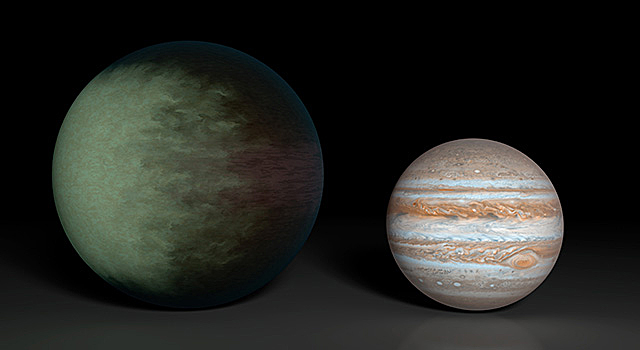
    On the exoplanet Kepler 7b, the weather is highly predictable, an international team of scientists has found: On any given day, the exoplanet, which orbits a star nearly 1,000 light-years from Earth, is heavily overcast on one side, while the other side likely enjoys