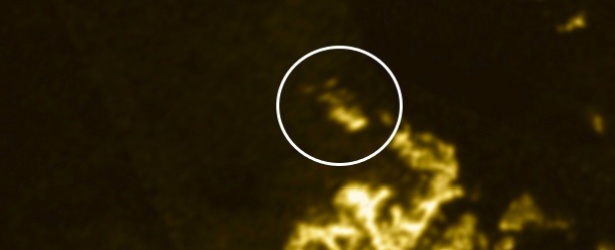
• Mysterious ‘Magic Island’ appears on Saturn moon

    Astronomers have discovered a bright, mysterious geologic object – where one never existed – on Cassini mission radar images of Ligeia Mare, the second-largest sea on Saturn's moon Titan. Scientifically speaking, this spot is considered a "transient
  • Cracks in Pluto’s moon could indicate it once had an underground ocean

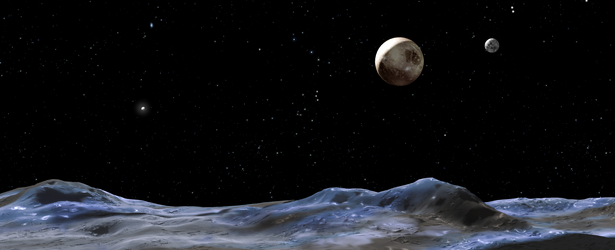
    If the icy surface of Pluto's giant moon Charon is cracked, analysis of the fractures could reveal if its interior was warm, perhaps warm enough to have maintained a subterranean ocean of liquid water, according to a new NASA-funded study.Pluto is an extremely dista

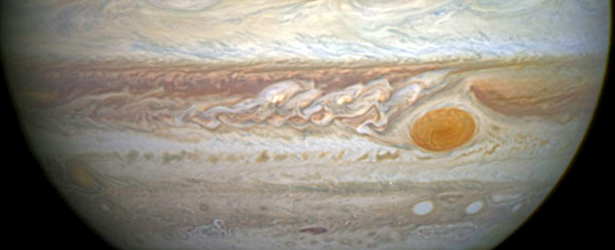
  • Jupiter’s Great Red Spot shrinking at increasing rate

    The shrinkage of Jupiter's Great Red Spot has been known about since the 1930s but latest images by Hubble Space Telescope confirm the increasing shrinkage rate observed by amateur astronomers since 2012. Science has no answer as to why this is happening.H

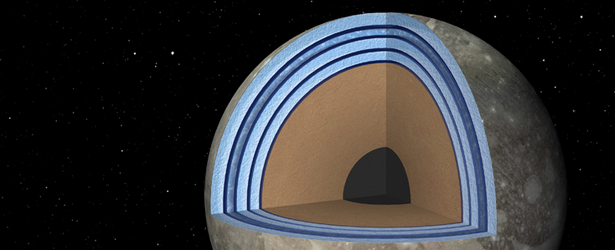
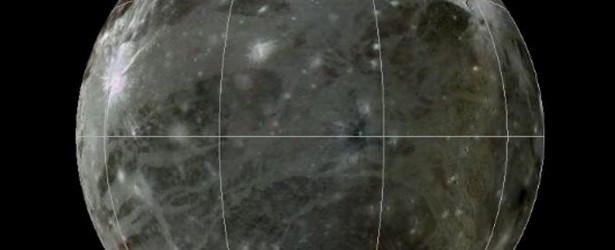
  • Ganymede may harbor ice and oceans stacked up in several layers

    The largest moon in our solar system, a companion to Jupiter named Ganymede, might have ice and oceans stacked up in several layers like a club sandwich, according to new study led by JPL's Steve Vance that models the moon's makeup.Previously, the moon

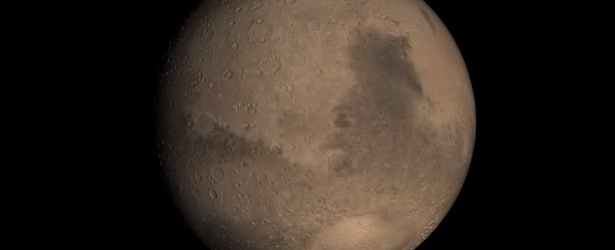
  • Gullies and debris flow deposits – traces of recent water on Mars

    The southern hemisphere of Mars is home to a crater that contains very well-preserved gullies and debris flow deposits. The geomorphological attributes of these landforms provide evidence that they were formed by the action of liquid water in geologically recent time.Wh

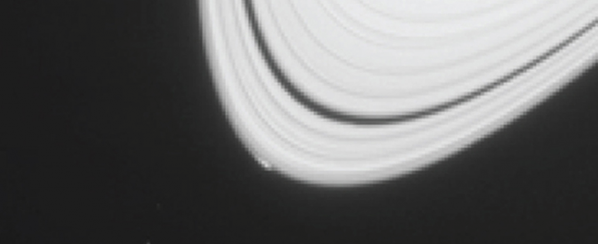
  • Cassini images may reveal the birth of new Saturn moon

    NASA's Cassini spacecraft has documented the formation of a small icy object within the rings of Saturn that may be a new moon, and may also provide clues to the formation of the planet's known moons.Images taken with Cassini's narrow angle camera on Apr

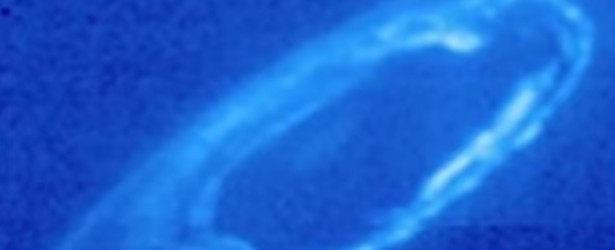
  • Cassini gets a 360-degree view of Saturn's auroras

    While Hubble Space Telescope, orbiting around Earth, was able to observe the Saturn's northern auroras in ultraviolet wavelengths, Cassini spacecraft, orbiting around Saturn, got complementary close-up views in infrared, visible-light and ultraviolet