• Seeing equinoxes and solstices from space

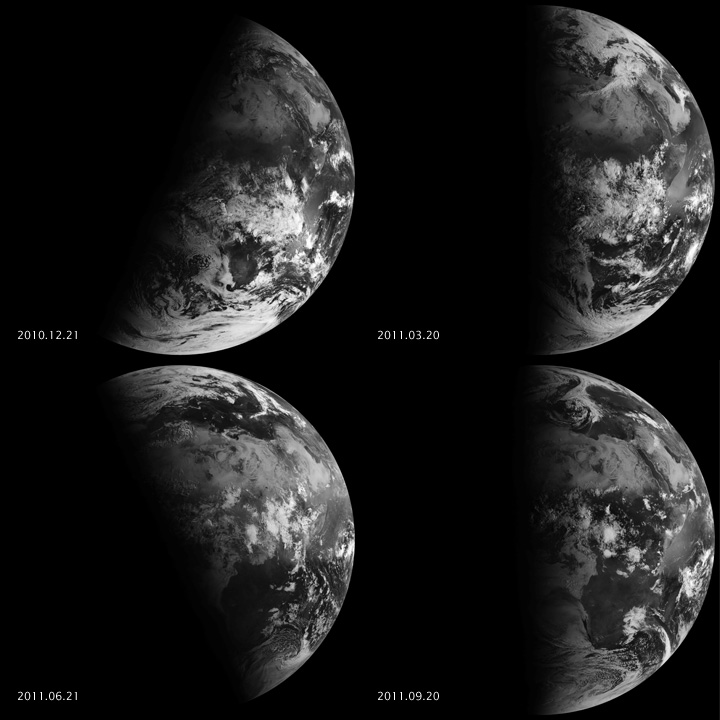
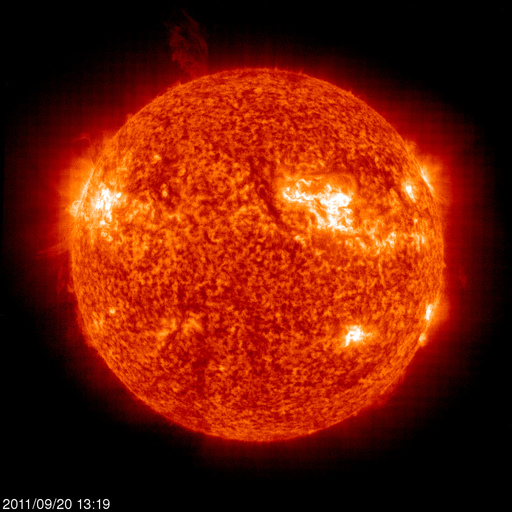
    One of the most frequently misunderstood concepts in science is the reason for Earth’s seasons. As we experience the September equinox today—anyone try to balance an egg yet?—we thought we’d offer a space-based view of what’s going on.Around 6 a.m. local

  • Long duration X1.4 solar flare took place at new sunspot

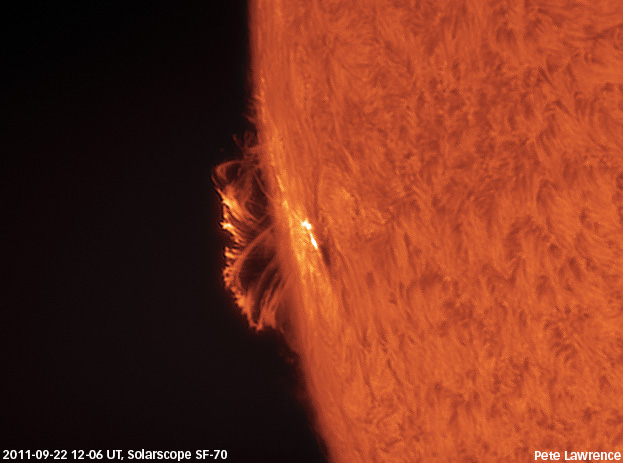
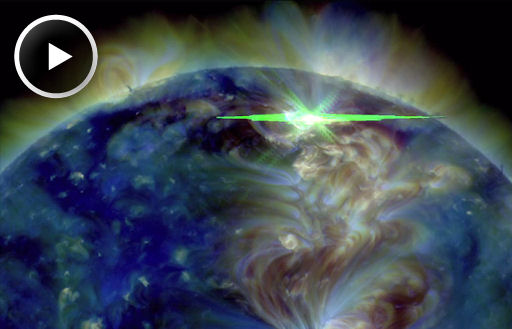
    Earth-orbiting satellites have detected a long-duration X1.4-class solar fare coming from a new sunspot on the sun’s eastern limb. The blast, which peaked at 1100 UT, produced a significant CME, but the cloud is not Earth-directed.

  • UARS re-entry update

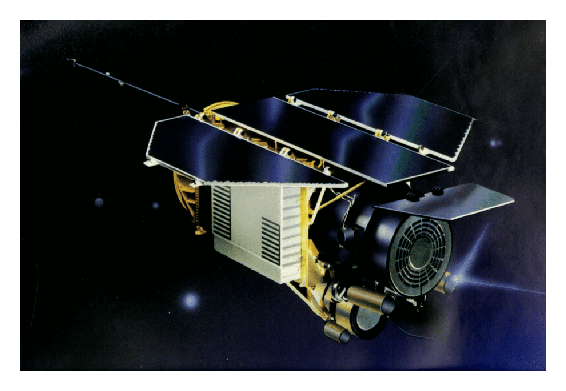
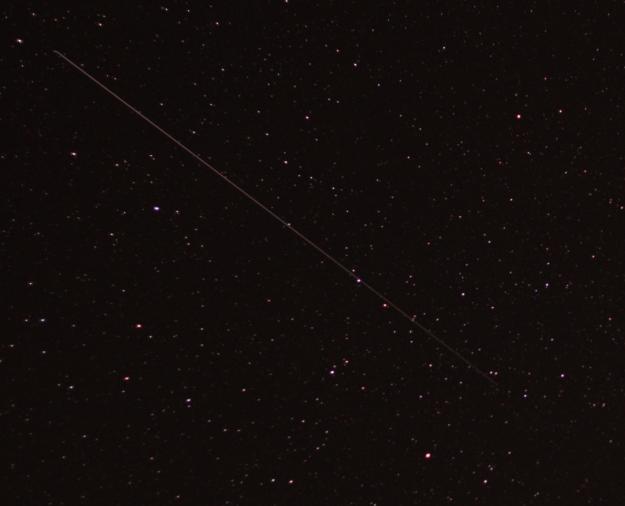
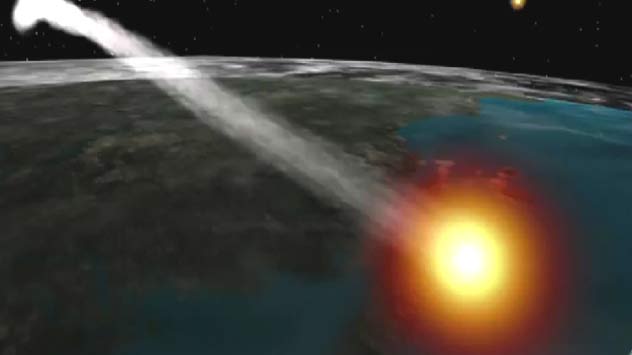
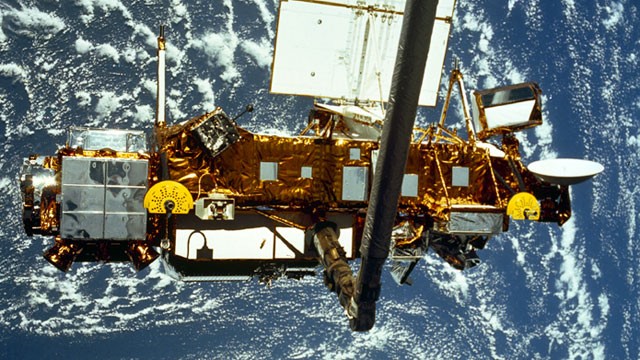
    NASA has issued an update on the condition of the decaying UARS satellite: “As of 1:30 p.m. EDT Sept. 21, 2011, the orbit of UARS was 120 mi by 130 mi (190 km by 205 km). Re-entry is expected sometime during the afternoon of Sept. 23, Eastern Daylight Time. The

  • Earth-directed coronal mass ejection expected

    A coronal mass ejection (CME) is heading toward Earth and it could deliver a glancing blow to our planet’s magnetic field on Sept. 22th around 23:00 UT. There are no large coronal holes on the Earth-facing side of the sun. High-latitude sky watchers should be alert for

  • How can we see the Sun and the Moon at the same time?

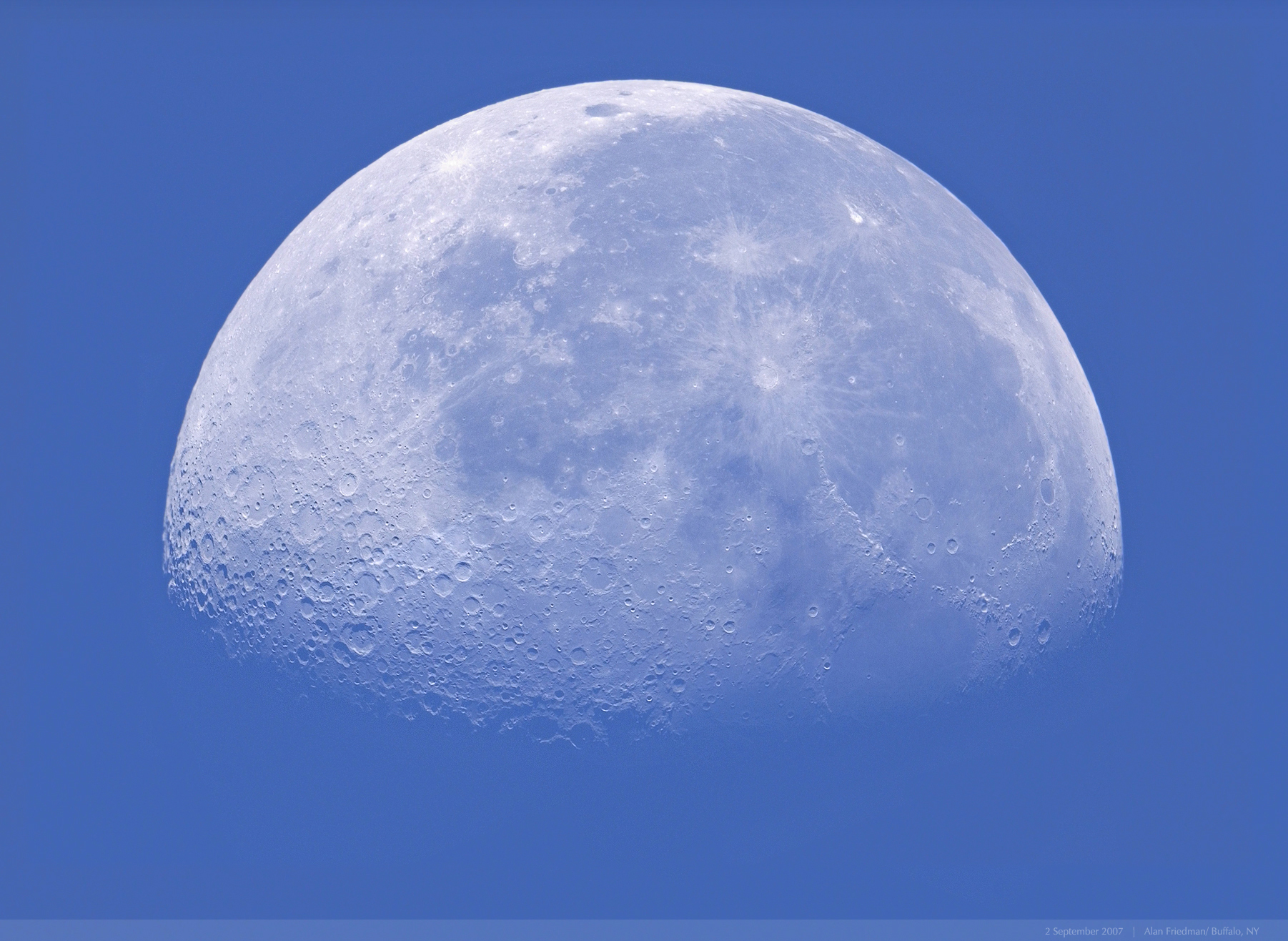
    Many people only notice our Moon at night, when there is considerably more contrast between the Moon and the night sky. Being the second brightest object in the sky (after the Sun, of course) and with Venus visible during the day to trained eyes, it’s no real

  • The mission to find the missing lunar module

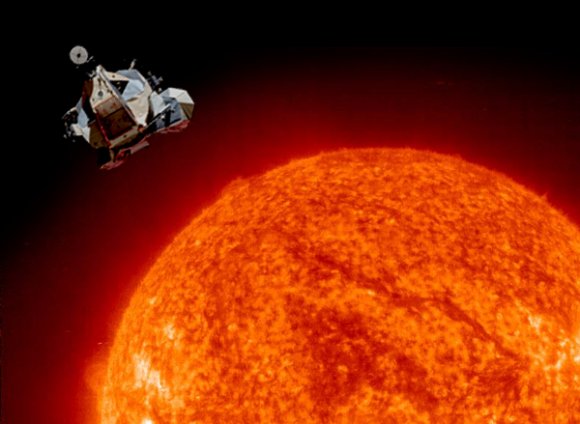
    Where is the Apollo 10 Lunar lander module? It’s somewhere out there — orbiting the Sun — and there’s a new initiative to try and find it!The Apollo 10 mission launched on May 18, 1968 and was a manned “dry run” for its successor Apollo 11, testing all of

  • STEREO-SOHO detected six coronal mass ejections

    On Sept. 19th, the STEREO-SOHO fleet of spacecraft surrounding the sun detected six coronal mass ejections (CMEs). Two of the clouds rapidly dissipated. The remaining four, however, are still intact and billowing through the inner solar system. Click to view a movie of

  • UARS Re-entry Alert!

    NASA reports that UARS, an atmospheric research satellite the size of a small bus, will re-enter Earth’s atmosphere on Sept. 23, plus or minus one day. Not all of the spectacularly-disintegrating spacecraft will burn up in the atmosphere; debris could be scattered

  • Geomagnetic storm in progress

    As predicted by analysts at the Goddard Space Weather Lab, a coronal mass ejection (CME) hit Earth's magnetic field at ~03:30 UT on Sept 17th. The impact sparked a moderate geomagnetic storm (in progress) and auroras around the Arctic Circle. High-latitude sky watch

  • Incoming coronal mass ejection

    As predicted by analysts at the Goddard Space Weather Lab, a coronal mass ejection (CME) hit Earth’s magnetic field at ~03:30 UT on Sept 17th. The impact was not strong. Nevertheless, the arrival of the CME could spark geomagnetic activity around the Arctic Circle.