• New sunspot record

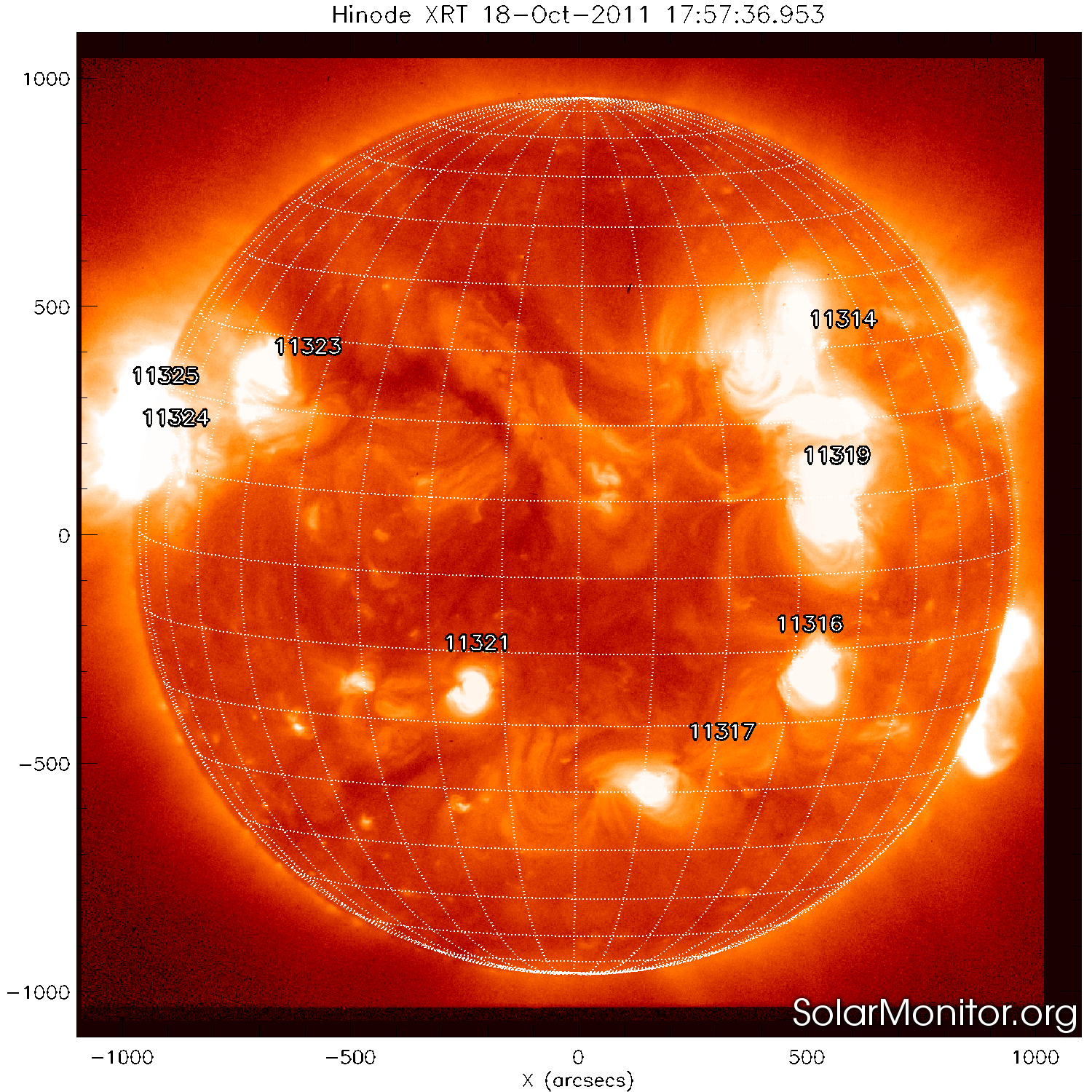
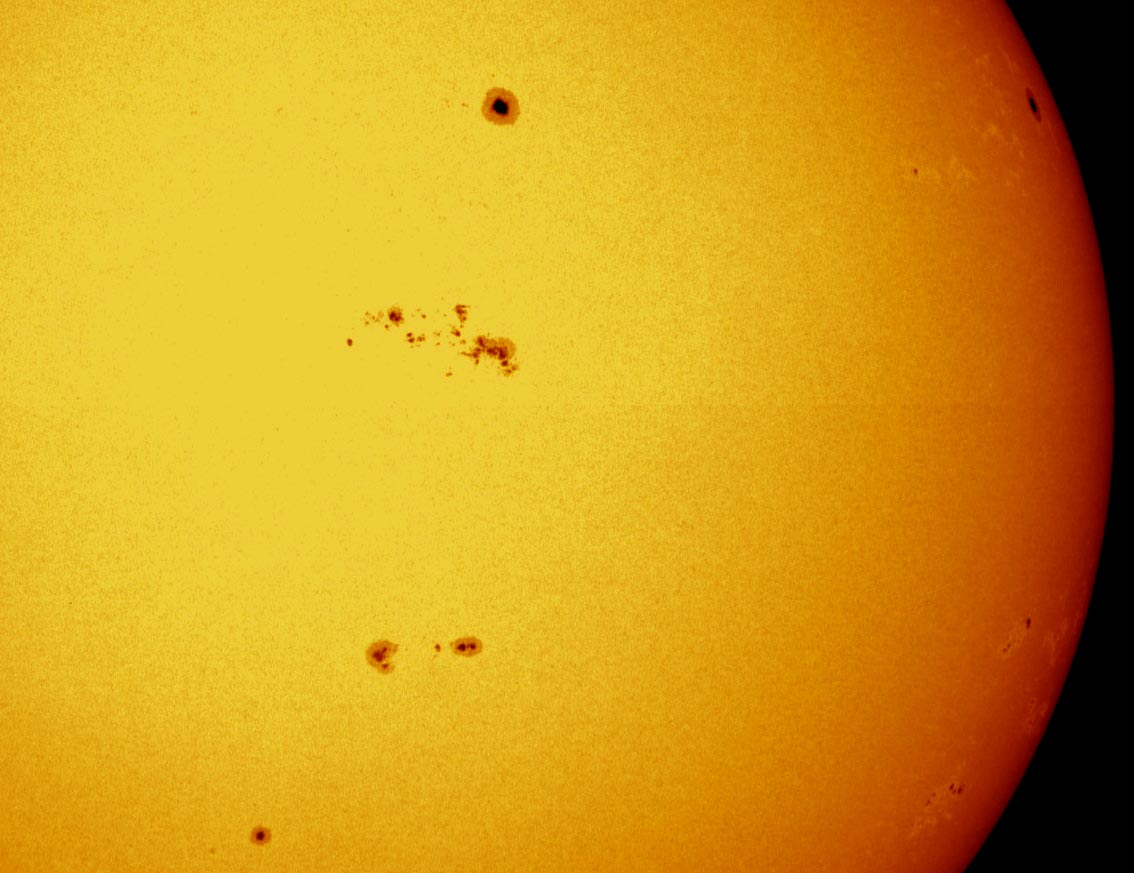
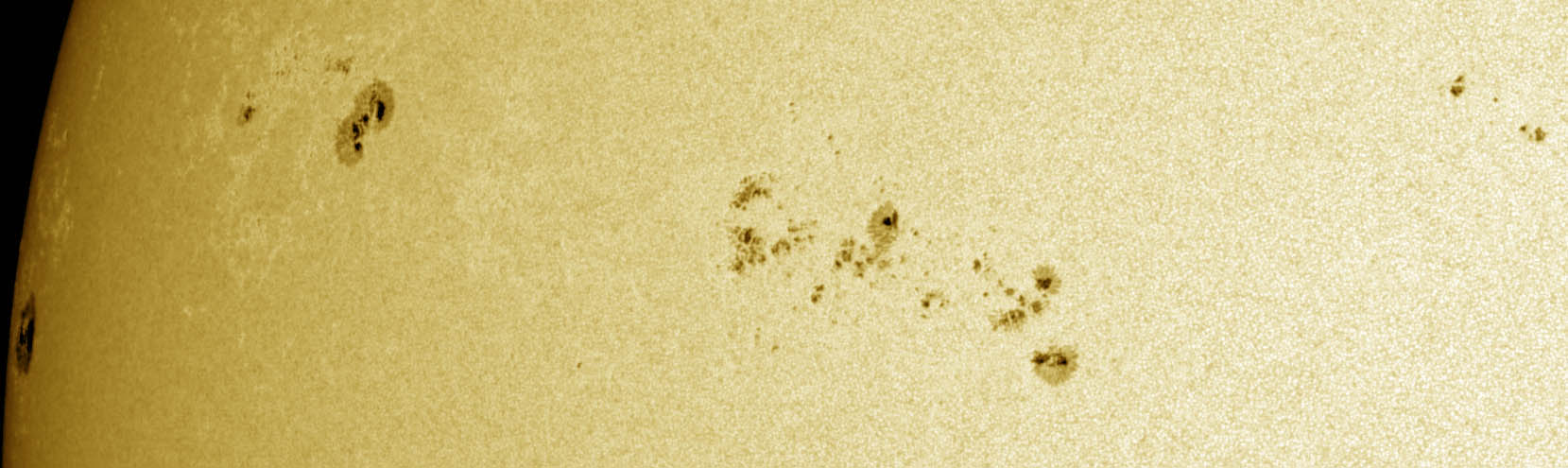
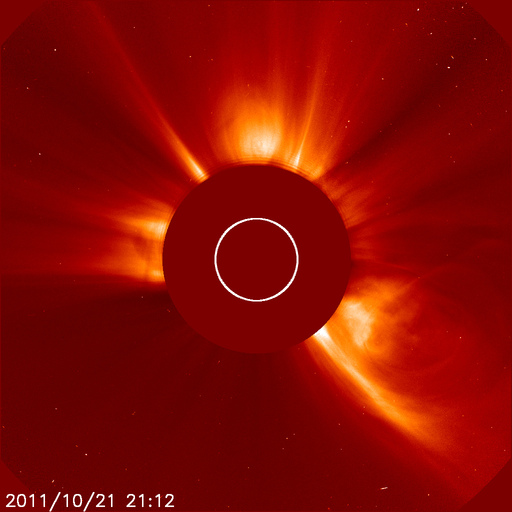
    The official Sunspot number for Oct 21,2011 is 207. This is a new record for Solar Cycle 24. Despite the amount of Sunspots, only low level M-Class flares have taken place thus far. This could soon change. Solar activity has been moderate with low level
  • Another level M-Class flare

    Another low level M-Class flare, this time raching M1.3 took place at 13:00 UTC Friday morning. The source of this flare was Sunspot 1319 which is approaching the western limb.Space Weather Prediction Center has just released a new page and tool to help predict

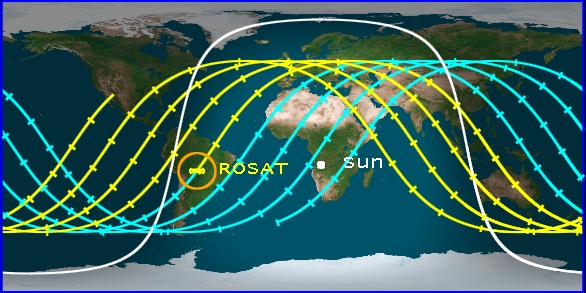
  • ROSAT Satellite: Uncontrolled Re-Entry on Oct. 22 or 23

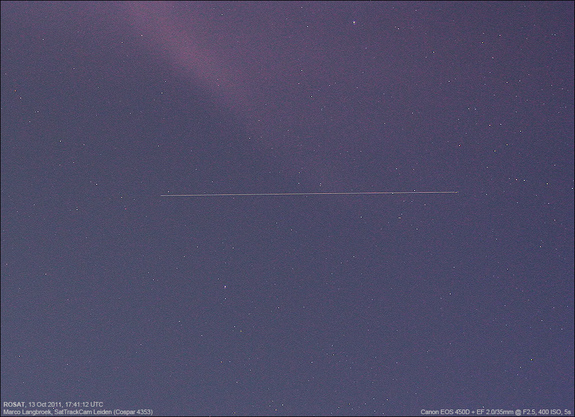
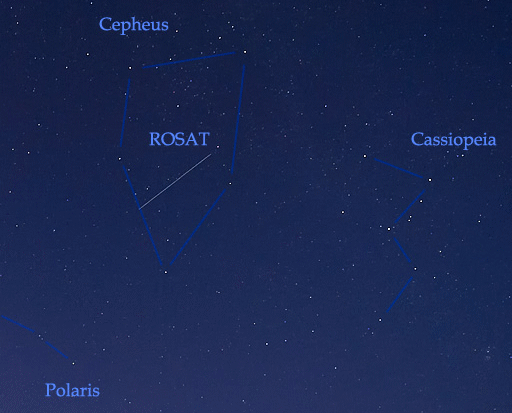
    Another huge piece of space debris, a 2.6-ton, defunct German telescope called the Roentgen Satellite (ROSAT), will crash back to Earth Saturday or Sunday (Oct. 22 or 23), and the chances it will hit someone are even greater this time around. The odds are 1-in-2,000

  • Sun is active again: M1.6 flare & sundiving comet

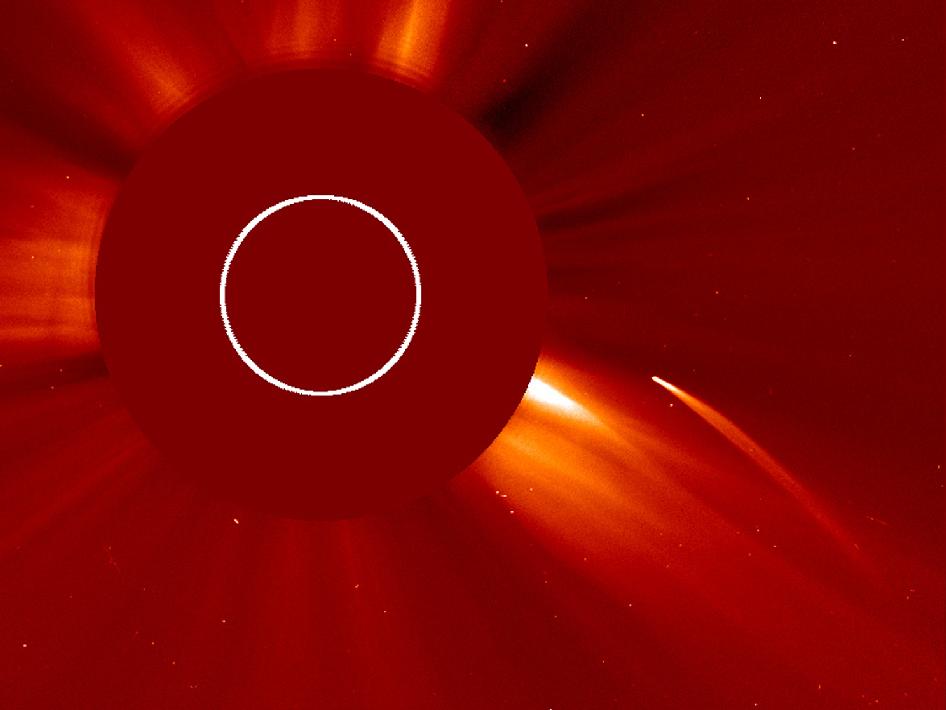
    A Solar Flare reaching M1.6 peaked at 03:25 UTC Thursday morning and appears to be centered off the northwest limb near Sunspot 1318 which is rotating out of direct earth view.Solar activity remains at fairly low levels with only small to mid sized C-Class flares

  • All-sky camera captures mysterious flashes

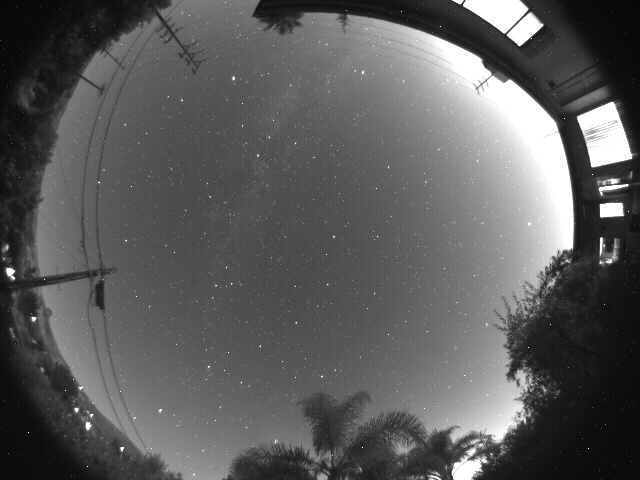
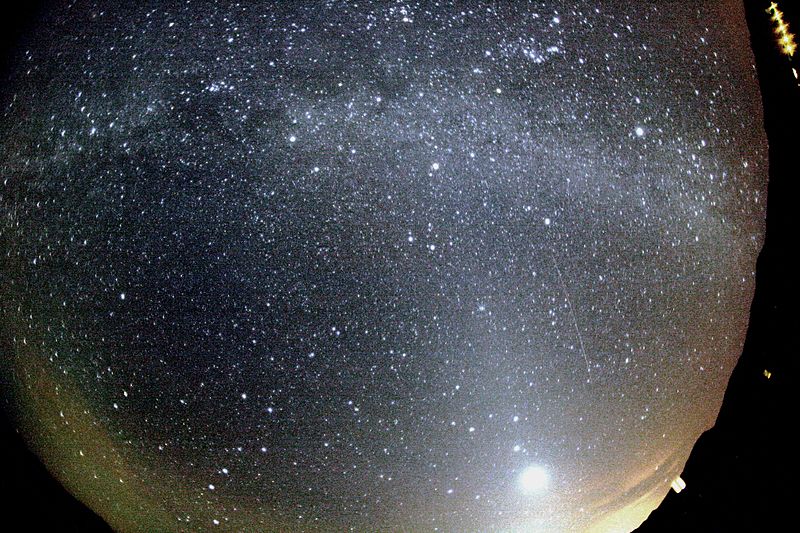
    All-sky camera (ASC) often records strange flashes. What could it be?“They are not iridium flares because they are stationary,” said James Beauchamp, an amateur astronomer who hosts the meteor camera for Sandia National Labs and New Mexico State University, and

  • Sundiving comet recorded by Lasco C3

    Sundiving or Sun-Grazing comet has been found on the Soho Lasco C3 instrument during October 18th. Impact is expected late Oct 19th or early Oct 20th. Here is the video by SolarWatcher recorded from SOHO Lasco C3 instruments:The Sun is pretty quiet for now

  • ROSAT decay update

    The massive ROSAT X-ray space telescope continues to descend toward Earth. Latest estimates place the re-entry around noon Universal Time on Oct. 23rd. Uncertainties exceed 10 hours, which makes it impossible to say exactly where ROSAT will re-enter. Many sky watchers

  • Halley’s Comet to put on meteor show next week

    If you step outside before dawn during the next week or so, you might try to catch a view of some “cosmic litter” that has been left behind in space by Halley’s Comet: the Orionid meteor shower.The Orionids can best be described as a junior version of the famous