• ESO announces discovery of first ring system around asteroid

    Observations at many sites in South America, including ESO’s La Silla Observatory, have made the surprise discovery that the remote asteroid Chariklo is surrounded by two dense and narrow rings. This is the smallest object by far found to have rings and only the

  • First images available from NASA-JAXA Global Rain and Snowfall Satellite

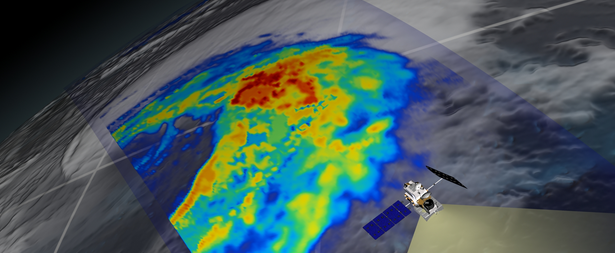
    NASA and the Japan Aerospace Exploration Agency (JAXA) have released the first images captured by their newest Earth-observing satellite, the Global Precipitation Measurement (GPM) Core Observatory, which launched into space February 27.

    The images show

  • Sensing lightning from ISS

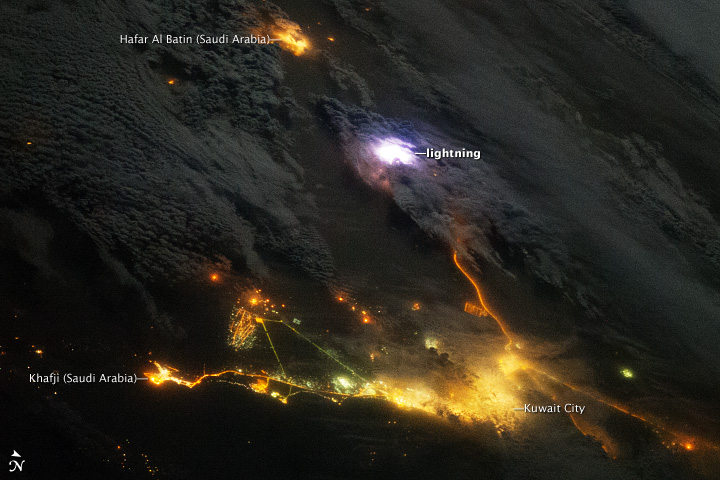
    Across the atmosphere of Earth, lightning flashes about 50 times per second. That’s 4.3 million times a day and roughly 1.5 billion times a year. Using a new instrument on the International Space Station (ISS), scientists are trying to observe and dissect at

  • Spitzer brings 360-degree zoomable view of our galaxy

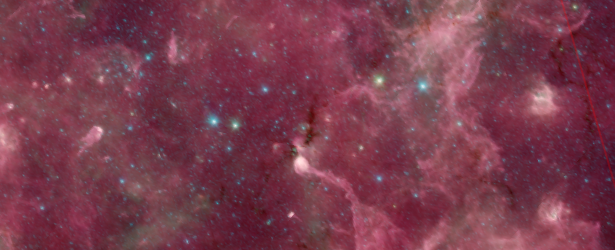
    Touring the Milky Way now is as easy as clicking a button with new zoomable, 360-degree mosaic. The star-studded panorama of our galaxy is constructed from more than 2 million infrared snapshots taken over the past 10 years by NASA's Spitzer Space

  • First direct evidence of cosmic inflation

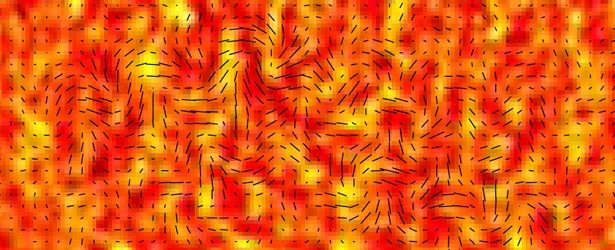
    Almost 14 billion years ago, the universe we inhabit burst into existence in an extraordinary event that initiated the Big Bang. In the first fleeting fraction of a second, the universe expanded exponentially, stretching far beyond the view of our best telescopes. All

  • First interactive mosaic of lunar north pole released

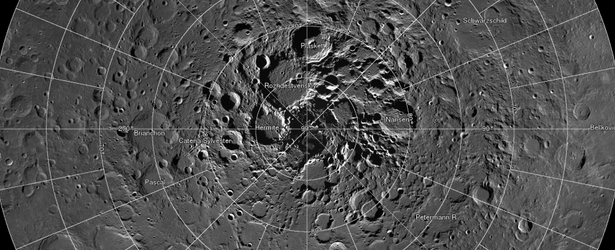
    Scientists, using cameras aboard NASA's Lunar Reconnaissance Orbiter (LRO), have created the largest high resolution mosaic of our moon’s north polar region. The six-and-a-half feet (two-meters)-per-pixel images cover an area equal to more than one-quarter of

  • Asteroid 2003 QQ47 to safely fly by Earth on March 26, 2014

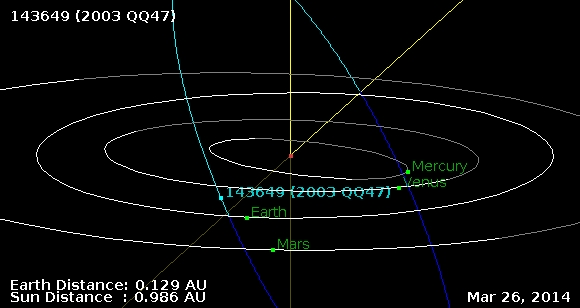
    Asteroid 2003 QQ47 received quite a bit of media attention back in 2003 when it was discovered because it was said that it had a small chance of colliding with our planet in the year 2014.

    It was rated a "1" on the Torino impact hazard scale of 1

  • "Cosmic seeds" shatter star formation theory

    Astrophysicists using the Submillimeter Array Telepscope have made an astonishing discovery on the formation of stars. The scientists obtained the most detailed images yet of a stellar nursery within the Snake Nebula. What they have discovered is not what they had