• Hubble telescope witnesses asteroid's mysterious disintegration

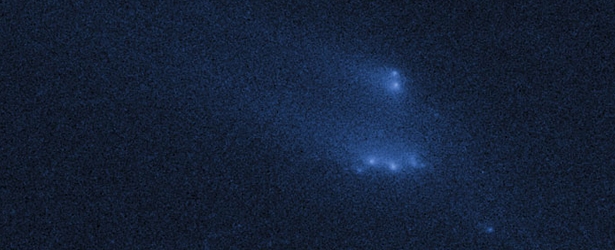
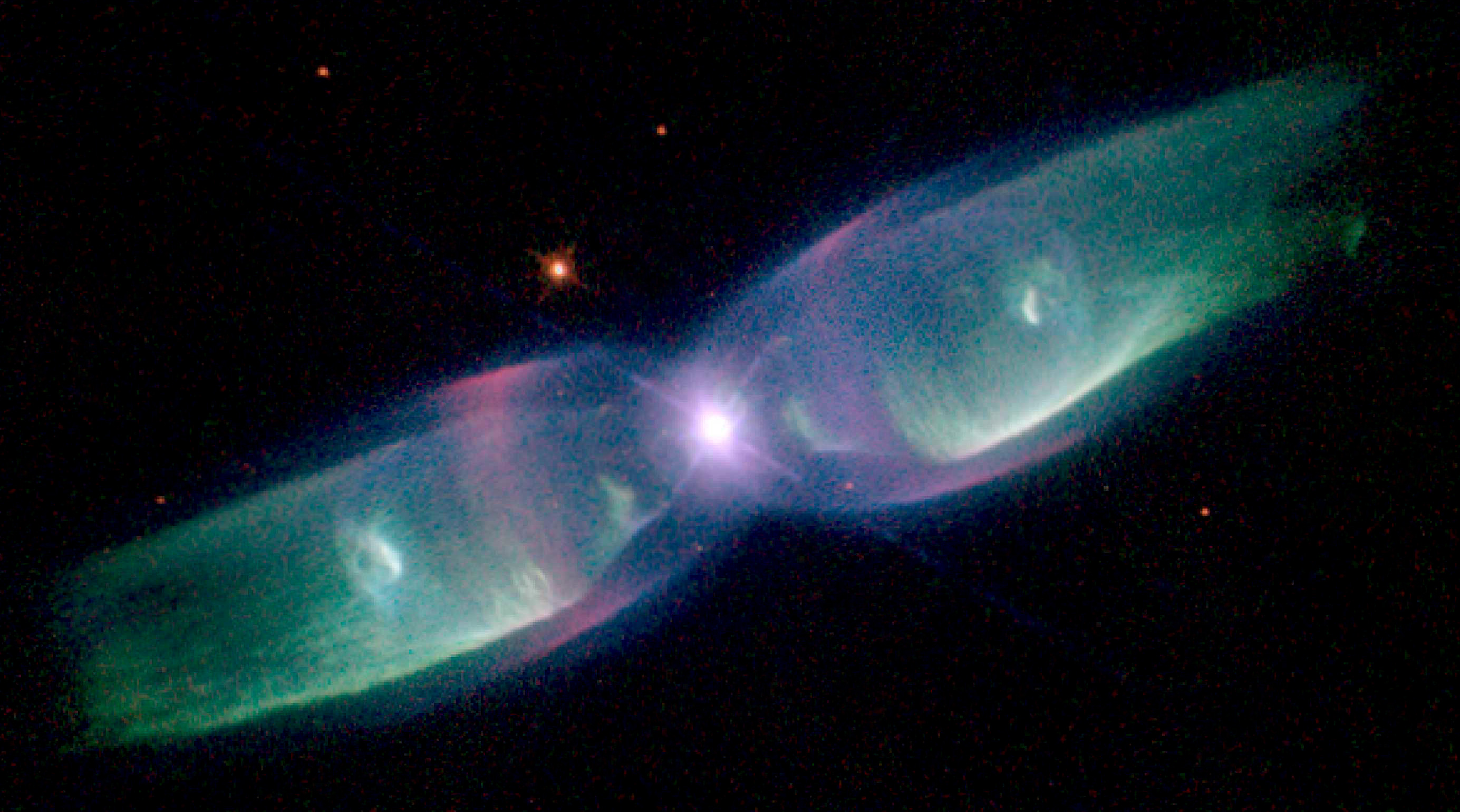
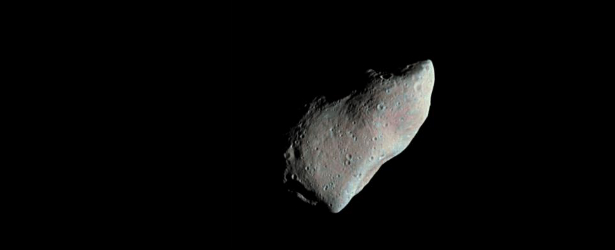
    NASA's Hubble Space Telescope has recorded the never-before-seen break-up of an asteroid into as many as 10 smaller pieces.

    Fragile comets, comprised of ice and dust, have been seen falling apart as they near the sun, but nothing like this has ever before been

  • Watch asteroid 2014 DX110 safely fly by Earth on March 5, 2014

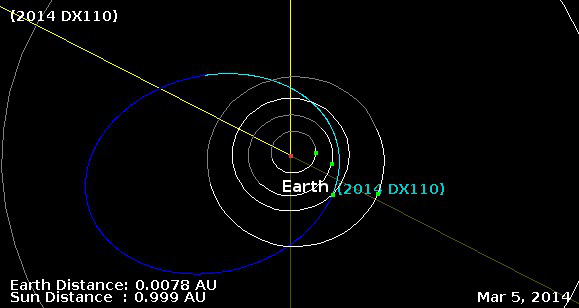
    Newly discovered Apollo class asteroid named 2014 DX110 will safely fly by Earth on Wednesday, March 5, 2014 at around 21:07 UTC. The estimated size of this asteroid is 30 meters (98 feet) and it will fly by at a minimum distance of less than 350 000 km (217

  • Night sky guide for March 2014

    Comet C/2012 X1 LINEAR will reach its brightest this month and will be well placed for observation on March 4. An extremely rare event will take place on the morning of March 20 when asteroid 163 Erigone passes in front of the bright star Regulus in the

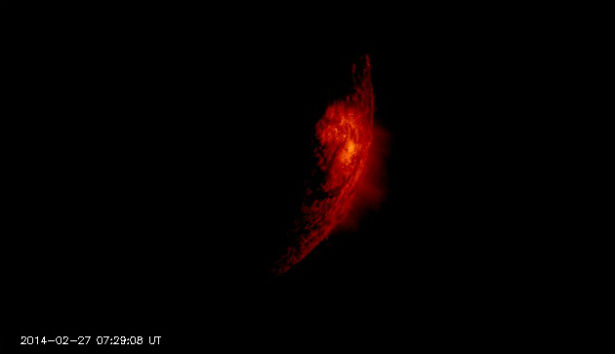
  • SDO 2014 spring eclipse season has begun

    Twice every year, around the time of the equinoxes, Earth can pass directly between the Sun and NASA's Solar Dynamics Observatory (SDO), producing a series of beautiful eclipses. For the next 3 weeks the Earth will pass between SDO and the Sun around 07:30 UTC

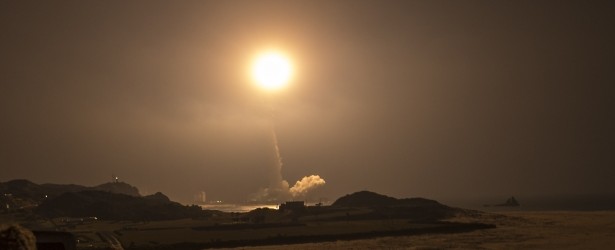
  • New era of global weather observing and climate science

    International, next-generation, unifying satellite observatory for global snow and rain measurements – Global Precipitation Measurement (GPM) Core Observatory – was successfully launched yesterday from Tanegashima Space Center in Japan marking the beginning of a

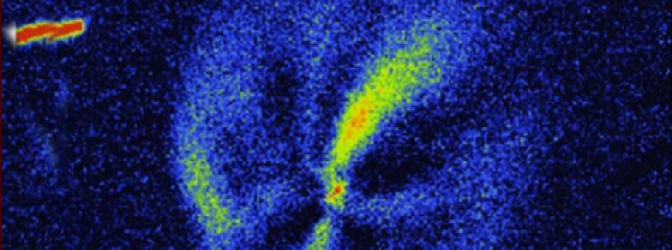
  • IBEX – Plasma ribbon confirms Electric Sun

    NASA's IBEX and Voyager 1 missions have shattered all conventional ideas about the heliospheric boundary, the region separating our solar system from interstellar space. In 2009, the IBEX spacecraft created the first all-sky map of the boundary revealing an

  • Asteroid '2000 EM26' on close approach tonight

    An asteroid with estimated size of 120 – 270 m will make a relatively close approach to our planet on February 18, 2014. The asteroid, named "2000 EM26", will fly by us at the nominal distance of 0.022 AU (3.21 million km / 8.8 lunar distances) with

  • Cassini gets a 360-degree view of Saturn's auroras

    While Hubble Space Telescope, orbiting around Earth, was able to observe the Saturn's northern auroras in ultraviolet wavelengths, Cassini spacecraft, orbiting around Saturn, got complementary close-up views in infrared, visible-light and ultraviolet