• Night sky guide for January 2014

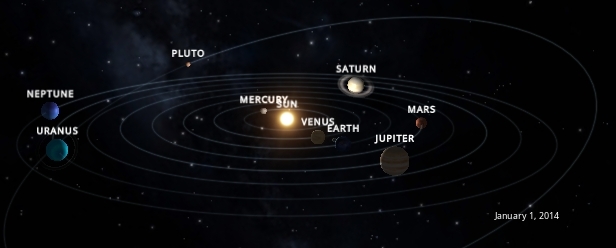
    January 1 – New Moon – 11:14 UTC. The Moon will be directly between the Earth and the Sun and will be completely unilluminated.

    January 2, 3 – Quadrantids Meteor Shower peak nights. The Quadrantids have the potential to be

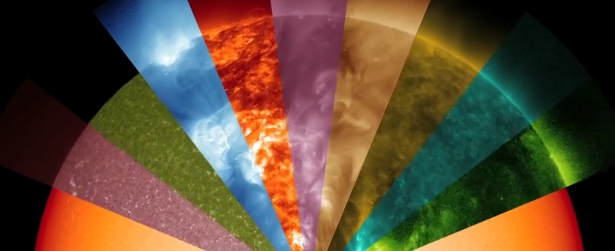
  • Solar Dynamics Observatory – Argos view

    Argos (or Argus Panoptes) was the 100-eyed giant in Greek mythology.

    While NASA Solar Dynamics Observatory (SDO) has significantly less than 100 eyes, seeing connections in the solar atmosphere through the many filters of SDO presents a number of interesting

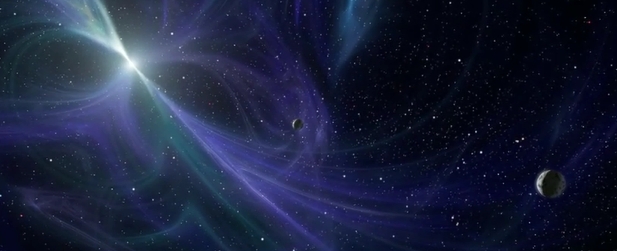
  • The "impossible" exoplanet – Space News from Electric Universe

    International team of astronomers has found a planet further out than any other in a sun-like system, and it has many astronomers baffled. There were two things immediately puzzling about it: its mass, which came in at an immense 2 × 1025 metric

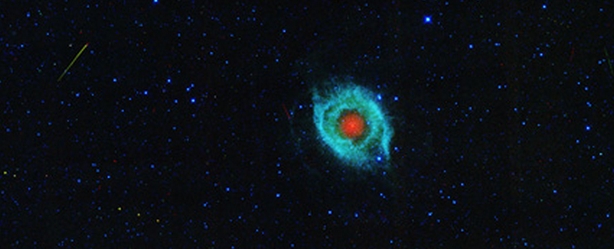
  • Surprise picture for WISE's fourth anniversary

    In an unexpected juxtaposition of cosmic objects that are actually quite far from each other, a newly released image from NASA's Wide-Field Infrared Survey Explorer (WISE) shows a dying star, called the Helix nebula, surrounded by the tracks of asteroids. The

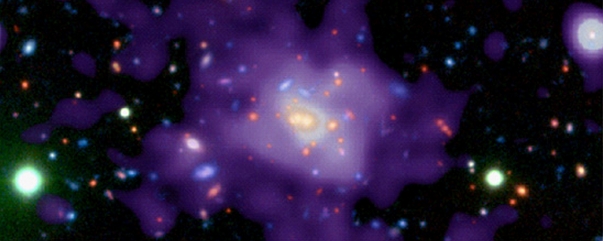
  • Was the early Universe powered by “dark matter annihilation”?

    According to modern cosmologists, the Universe is composed primarily of dark matter. More than 95% of all that exists is unseen and undetectable by the most sensitive instruments yet devised. Many astrophysicists claim that the earliest stellar formations were (and

  • Geminid meteor shower underway

    NASA's network of all-sky meteor cameras reported 23 Geminid fireballs over the United States today. This sharp uptick in activity signals the official beginning of the 2013 Geminid meteor shower.

    For the next 3 to 4 days, Earth will continue to pass