• Cassini images may reveal the birth of new Saturn moon

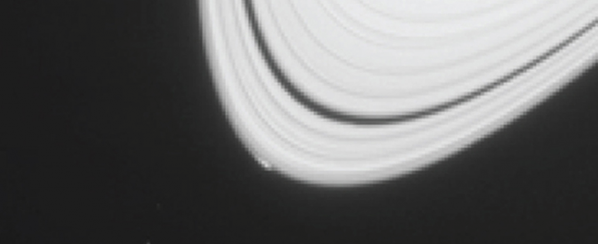
    NASA's Cassini spacecraft has documented the formation of a small icy object within the rings of Saturn that may be a new moon, and may also provide clues to the formation of the planet's known moons.Images taken with Cassini's narrow angle camera on Apr

  • Watch total lunar eclipse of April 15th LIVE

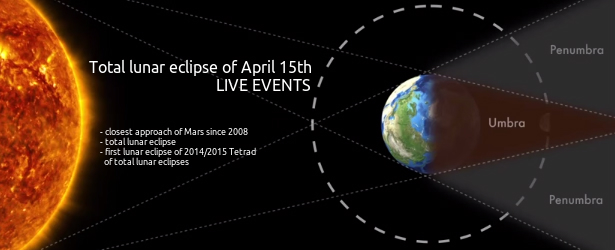
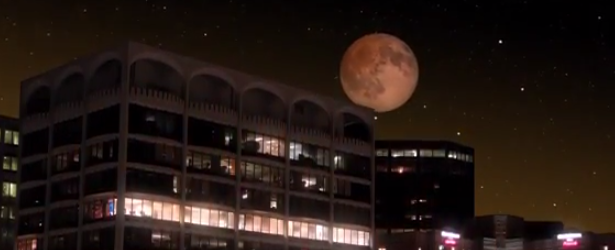
    During the early hours of April 15, 2014 (UTC time) the full Moon will pass directly through Earth’s dark shadow, or umbra, setting an impressive total lunar eclipse. The Moon will gradually get darker and then take on a rusty or blood red color. It

  • Understanding lunar eclipses

    It's not often that we get a chance to see our planet's shadow, but a lunar eclipse gives us a fleeting glimpse. During these rare events, the full Moon rapidly darkens and then glows red. Though a lunar eclipse can be seen only at night, it's worth staying

  • Supermassive black hole at the center of cosmology

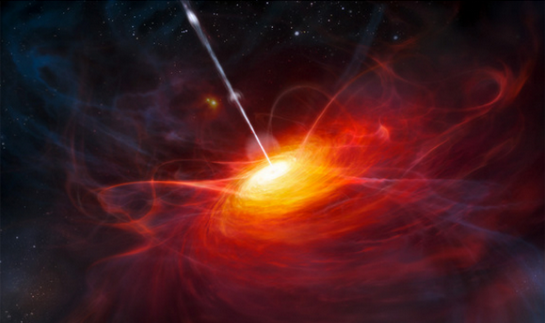
    In physical reality there are no black holes. Instead there are intense magnetic field regions that are formed whenever the field strength in plasma becomes much stronger compared with its surroundings. The most intense magnetic field regions are formed at the most

  • Europe lofts first Copernicus environmental satellite

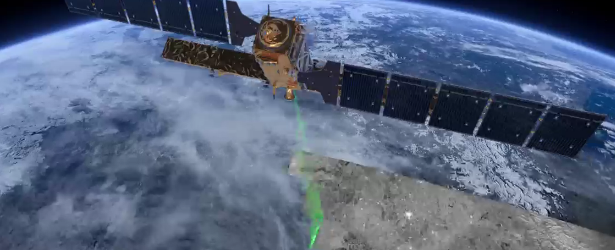
    European Space Agency (ESA) launched Sentinel-1A satellite on April 3rd which opens a new page in the implementation of Copernicus, the second EU flagship space initiative, after the Galileo positioning system. The ability of European citizens,

  • Cassini reports sub-surface ocean on Enceladus

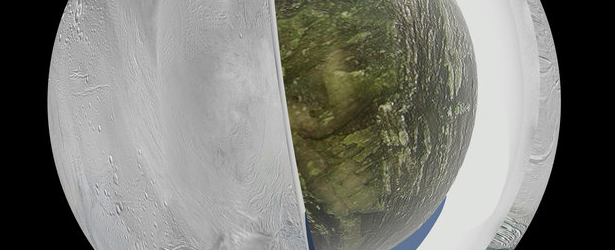
    Enceladus—one of Saturn's smaller satellites—has joined the ranks of Titan and Europa as a moon that appears to have liquid water splashing around inside of it, researchers say. New gravity data from the Cassini spacecraft, which has been exploring the

  • What is lurking near the center of our galaxy?

    According to a recent press release, a “magnetized neutron star”, otherwise known as a “magnetar” is spinning at an amazing speed near the Sagittarius A* (Sgr A*) region of the Milky Way. Sagittarius A* is said to be a supermassive black

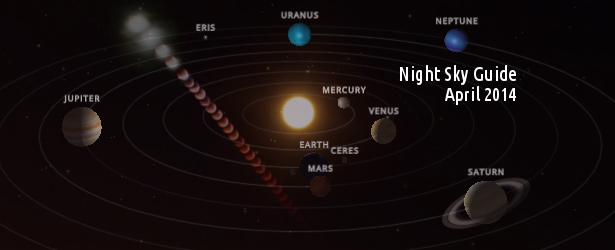
  • Night sky guide for April 2014

    April brings us several interesting events. It is a good month for eclipses and also the month when meteor activity picks up a bit as the Lyrids meteor shower become active. Earth and Mars will be at their minimum distance of 99 million km on April 14 but any