• Astronomy Day – astronomy and stargazing clubs open doors

    Astronomy Day is an annual event intended to provide a means of interaction between the general public and various astronomy enthusiasts, groups and professionals. It is a good day to contact local astronomy clubs or planetariums and find out about their speci

  • The best observed X-class flare

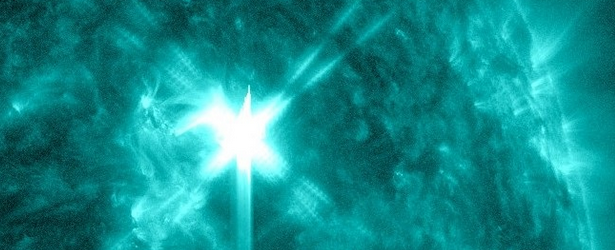
    On March 29, 2014 the sun released an X-class flare. It was observed by NASA's Interface Region Imaging Spectrograph, or IRIS; NASA's Solar Dynamics Observatory, or SDO; NASA's Reuven Ramaty High Energy Solar Spectroscopic Imager, or RHESSI; the Japanese Aer

  • Steve Crothers on failures of Big Bang cosmology

    Scientists using the BICEP2 telescope recently pronounced that they had discovered direct evidence of Einstein gravitational waves and cosmic inflation. The team describes having detected polarizations in the so-called Cosmic Microwave Background, which is described as

  • Three significant fireballs over the weekend

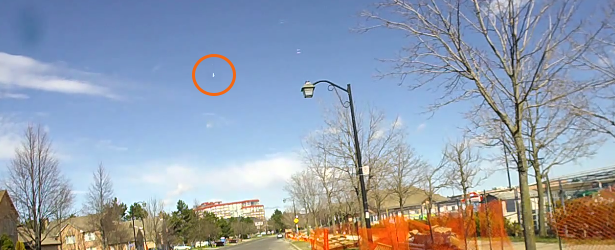
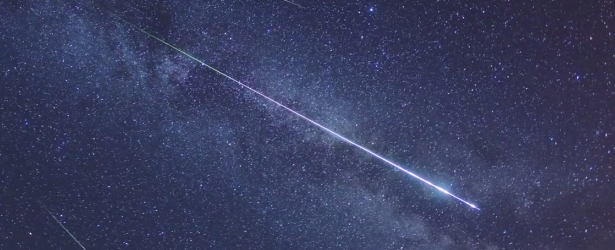
    American Meteor Society (AMS) said three significant fireballs were observed over the weekend. A large fireball with numerous sonic booms fell over Arkansas on Friday night, May 2nd. Another bright fireball was seen over North Carolina Saturday night, May 3rd. A daytime

  • New meteor shower and possible meteor storm on May 24th

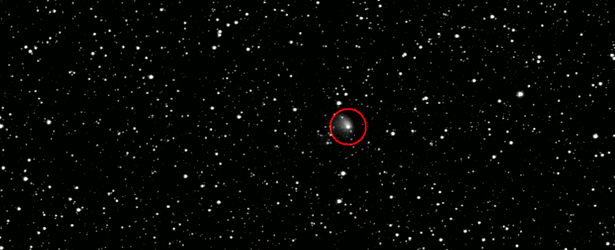
    On the night of May 24 Earth will possibly pass through the dust trail left by Comet 209P/LINEAR in its past orbits. If this happens we might see a brief but intense burst of meteor activity. No one has ever seen it before and although nothing is certain at th

  • Ganymede may harbor ice and oceans stacked up in several layers

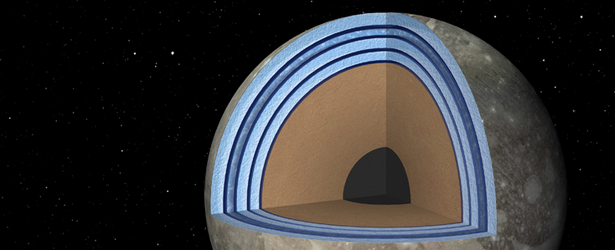
    The largest moon in our solar system, a companion to Jupiter named Ganymede, might have ice and oceans stacked up in several layers like a club sandwich, according to new study led by JPL's Steve Vance that models the moon's makeup.Previously, the moon

  • First image of an asteroid taken from the surface of Mars

    The Mast Camera (Mastcam) on NASA's Curiosity Mars rover has captured the first image of an asteroid taken from the surface of Mars. The night-sky image actually includes two asteroids: Ceres and Vesta, plus one of Mars' two moons, Deimos, which may have been an

  • Night sky guide for May 2014

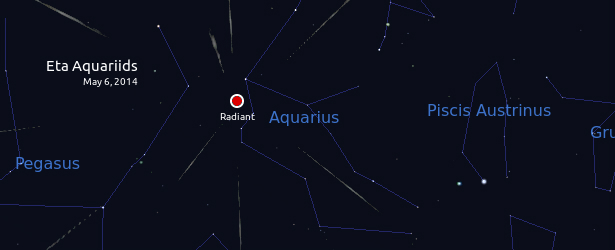
    May brings us the peak of above average Eta Aquariid meteor shower on the nights of May 5 and 6 but the highlight of this month is a possible intense meteor storm on May 23 and 24 as Earth passes through the dust trail left by Comet 209P/LINEAR in it