• Astronomers find a new type of planet: the “mega-Earth”

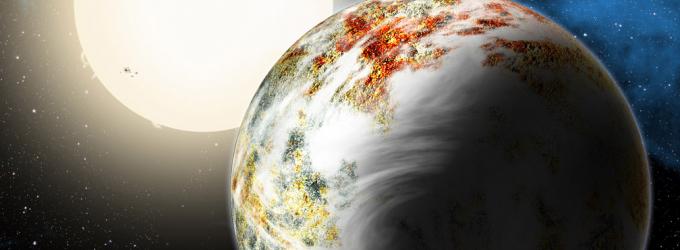
    Astronomers announced today that they have discovered a new type of planet – a rocky world weighing 17 times as much as Earth. Theorists believed such a world couldn't form because anything so hefty would grab hydrogen gas as it grew and become a Jupiter-like gas gi

  • Night sky guide for June 2014

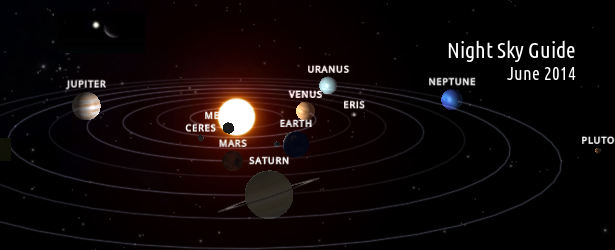
    Globular clusters M10 and M13 will both be well placed for observation at the beginning of June. The strongest daylight meteor shower – Daytime Arietids – peaks on June 7. Since the radiant will be located only thirty degrees west of the Sun the

  • Jupiter’s Great Red Spot shrinking at increasing rate

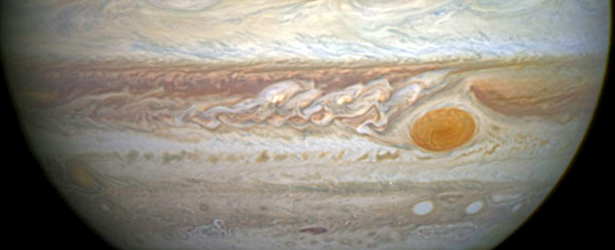
    The shrinkage of Jupiter's Great Red Spot has been known about since the 1930s but latest images by Hubble Space Telescope confirm the increasing shrinkage rate observed by amateur astronomers since 2012. Science has no answer as to why this is happening.H

  • Comet 67P/Churyumov–Gerasimenko develops coma

    As comet-chaser Rosetta approached its target to roughly 2 million km in early May, images captured by OSIRIS clearly showed that the comet has already developed 1 300 km long coma. This onset of activity offers scientists the opportun

  • Diamond planets more common than thought

    Carbon-rich planets may be more common than previously thought, according to a new research by Yale University astronomers.Some of these planets, all located far beyond Earth's solar system, could contain vast deposits of graphite or diamonds, and their apparent abu