• 2011 Total lunar eclipse – Guide for skywatchers!

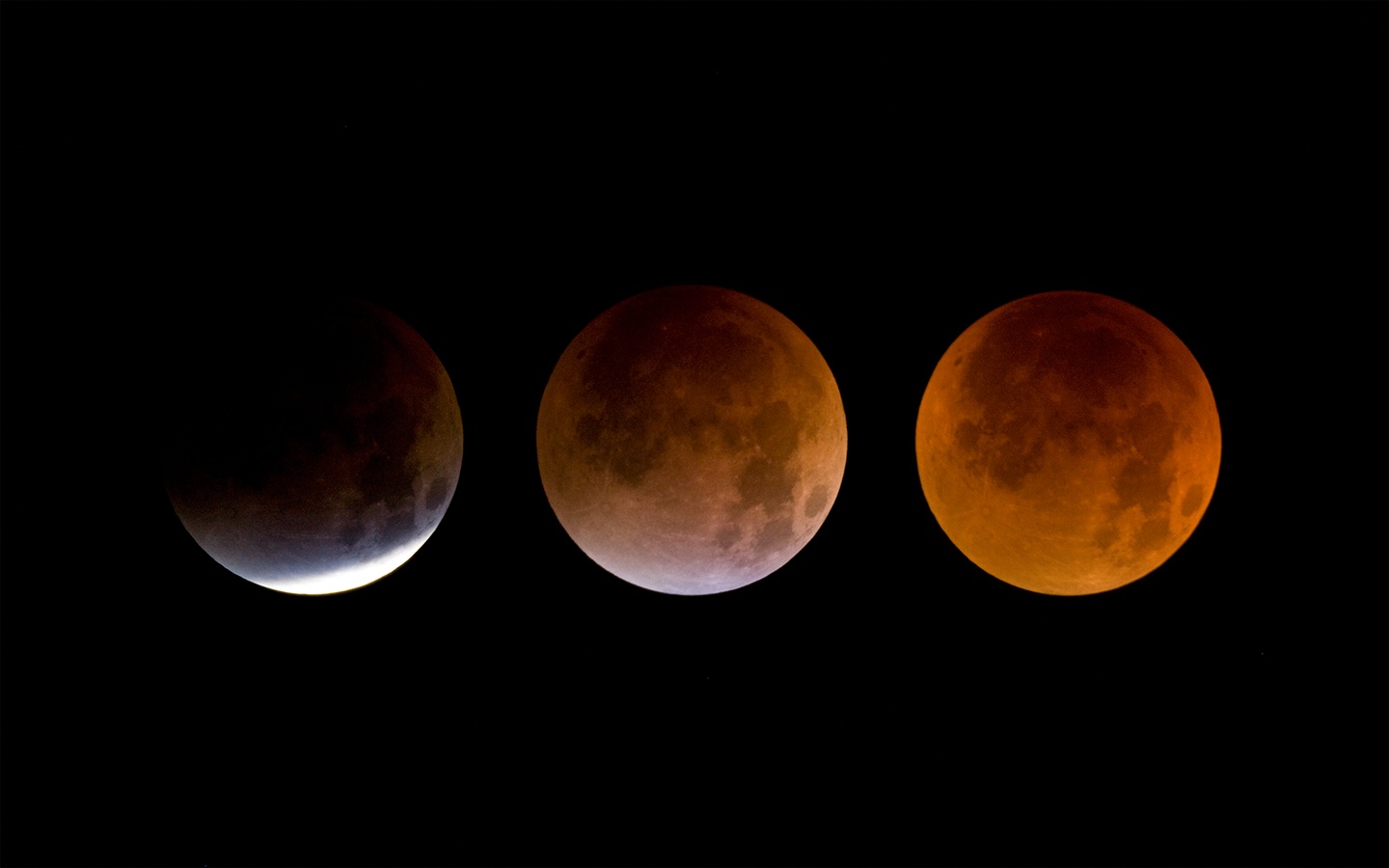
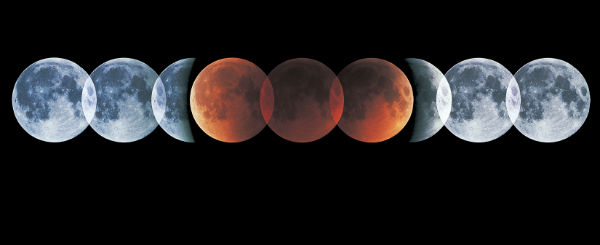
    The last  full Moon in 2011 will glide through the earth shadow producing a total lunar eclipse visible from the Pacific side of our planet.  The last eclipse of 2011 is a total lunar eclipse that takes place at the Moon’s descending node in eastern Taurus, four days
  • Jupiter and Moon conjuction this evening

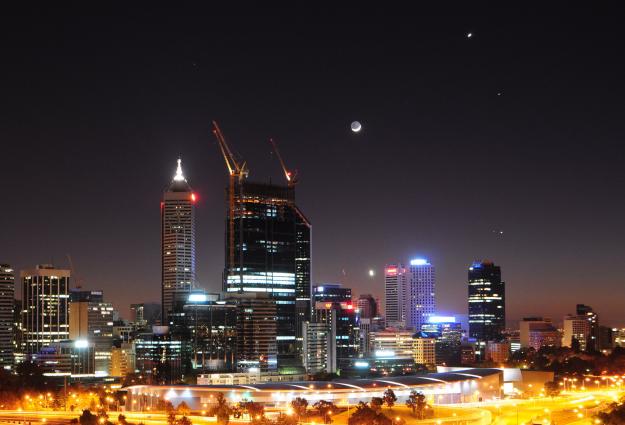
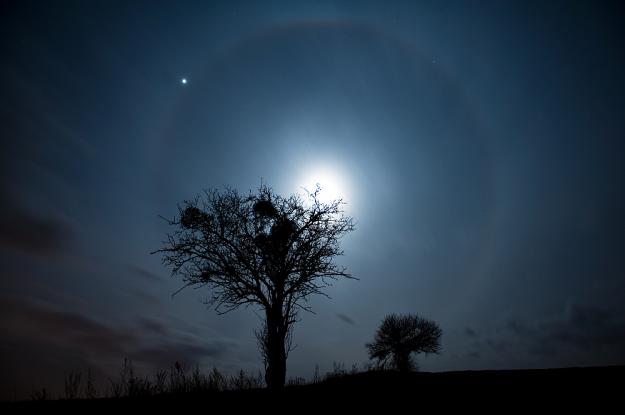
    When the sun goes down tonight, step outside and look east. Jupiter and the waxing full Moon are in conjunction less than 7o apart.Jupiter shines lower left of the Moon this evening. Although they look close together, Jupiter is 1,550 times farther away — and 40

  • Asteroid 2005 YU55, The Moon, Taurids and drills

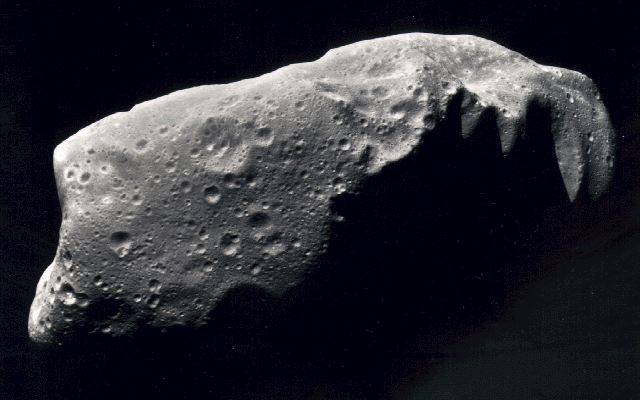
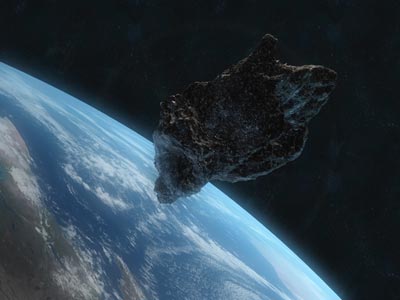
    Discovered nearly six years ago by Robert McMillan at Steward Observatory’s Spacewatch Telescope in Arizona, 2005 YU55 has been this way before. In April 2010 it passed close enough for detailed radar probing by the giant radio dish at Arecibo, Puerto Rico. It

  • JPL movie shows flyby calculation of Asteroid 2005 YU55

    NASA radars are monitoring 2005 YU55, an asteroid the size of an aircraft carrier, as it heads for a Nov. 8th flyby of the Earth-Moon system. There is no danger to our planet. At closest approach on Tuesday at 3:28 pm PST, the 400m-wide space rock will be 324,600

  • International Observe the Moon Night (October 8, 2011)

    Most of us space-minded folks don’t need an excuse to gaze upon the brightest object in the night sky – our own Moon. But just in case you need a reason or are hoping to convince some friends or family to take a look with you, there’s a special event coming up

  • Seeing equinoxes and solstices from space

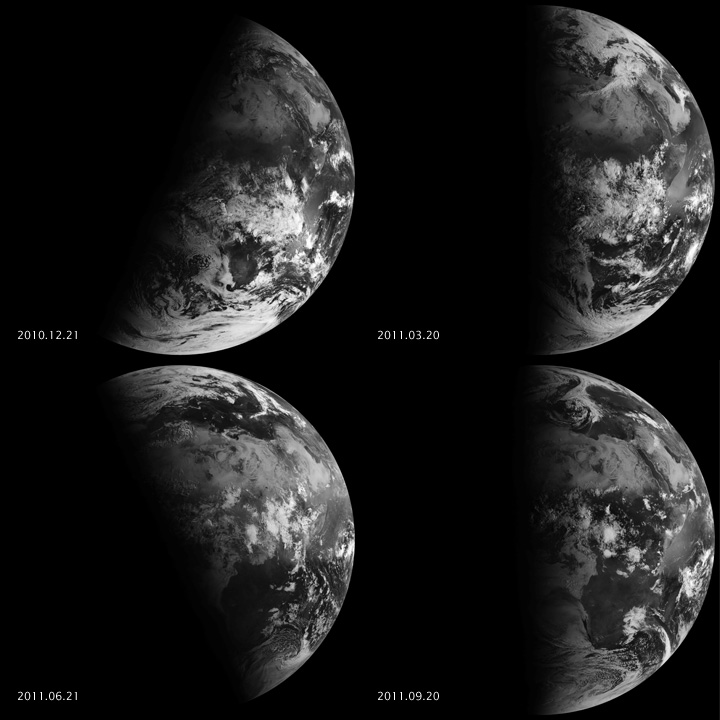
    One of the most frequently misunderstood concepts in science is the reason for Earth’s seasons. As we experience the September equinox today—anyone try to balance an egg yet?—we thought we’d offer a space-based view of what’s going on.Around 6 a.m. local

  • Total lunar eclipse on June 15th!

    We’re in the midst of an interesting eclipse trifecta. Partial solar eclipses occur during the New Moons on June 1st and July 1st, which are sandwiched around a total lunar eclipse during the Full Moon on June 15th. Those of you in Europe and elsewhere in the

  • Co-orbital asteroid 2009BD flyby

    Small asteroid 2009 BD is flying through the Earth-moon system today about 215,000 miles from Earth. The 10m wide space rock poses no threat to our planet, but it is of acute scientific interest.”It’s notable because it remains close to Earth for months at a time and

  • SkyWatchers: Great Morning Planet Show!

    The Great Morning Planet Show of May 2011 is underway. Every morning for the rest of this month, you can see a beautiful gathering of four planets in the eastern sky. They are Mars, Jupiter, Venus and Mercury, shown here on May 1st over Magnetic Island in east