• New technology detects long-hidden earthquakes

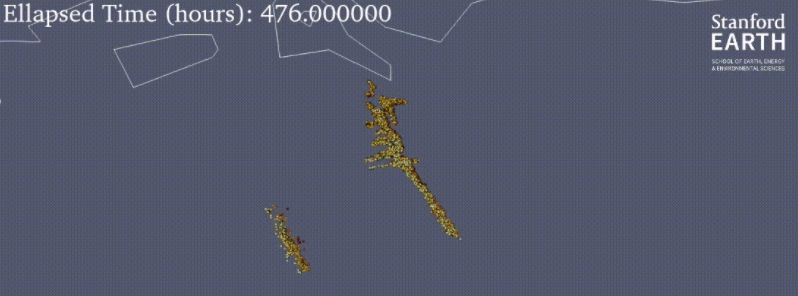
    Scientists at the Stanford School of Earth, Energy, and Environmental Sciences described a new method for using artificial intelligence to detect millions of long-hidden small earthquakes or microquakes, providing possible hints about how earthquakes evolve. Big…

  • New insights show factors that trigger earthquakes

    A new study by François Xavier Passelegue, a scientist at ENAC's Laboratory of Experimental Rock Mechanics (LEMR), has provided new insights into the origins of earthquakes, showing that the speed and intensity with which seismic waves cultivate after a…

  • New seismic research explains continental collision beneath Tibet

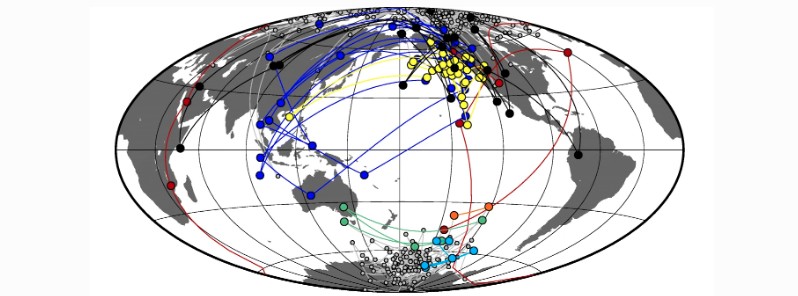
    New seismic data collected by scientists at Stanford University and the Chinese Academy of Geological Sciences suggests that two competing processes are simultaneously operating beneath a collision zone in Tibet. This research contributes to an ongoing debate over…

  • Study identifies second alignment plane of solar system

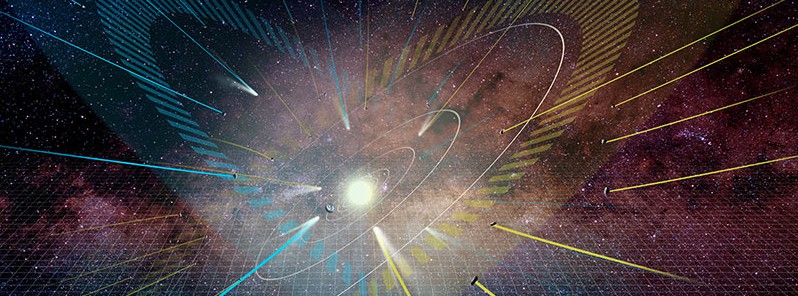
    According to a new study published in The Astronomical Journal, comet motions indicate that the solar system has a second alignment plane. The discovery has significant implications for models of how comets originally formed in the solar system. The study, led by…