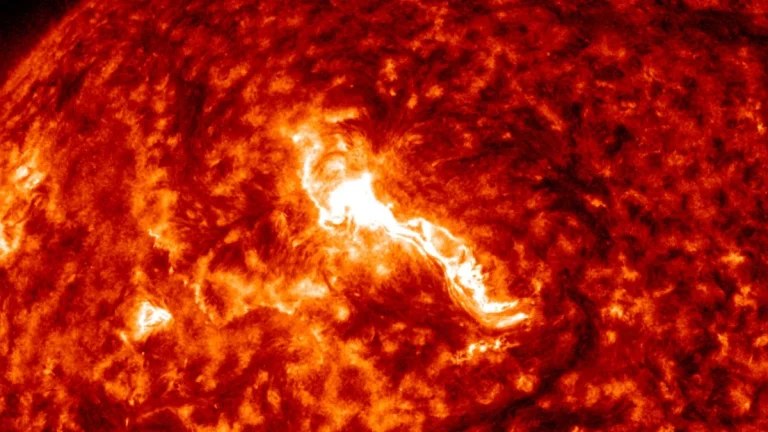
• G3 – Strong geomagnetic storm forecast following Earth-directed CME produced by M8.1 solar flare

    A G3 – Strong geomagnetic storm watch is in effect following a powerful M8.1 solar flare from geoeffective Active Region 4299 at 20:39 UTC on December 6, 2025. The resulting full-halo coronal mass ejection (CME) is expected to impact Earth between early and midday UTC on December 9, possibly producing periods of strong geomagnetic storming.

  • Very strong M7.0 earthquake hits near Yakutat, Alaska

    A strong and shallow earthquake registered by the USGS as M7.0 struck near Yakutat, Alaska, at 20:41 UTC on December 6, 2025. The agency is reporting a depth of 10 km (6.2 miles). EMSC is reporting M6.8 at a depth of 10 km. According to the National Tsunami Warning Center (NTWC), there is no tsunami danger from this earthquake.

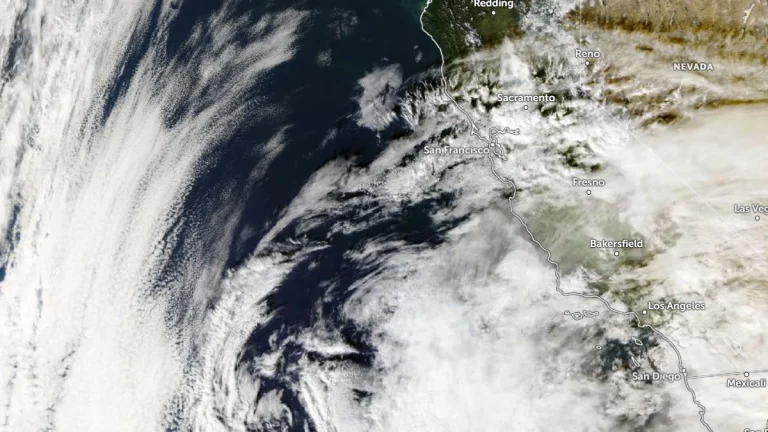
  • Major atmospheric river forecast to impact the Pacific Northwest with heavy rain and flooding risk

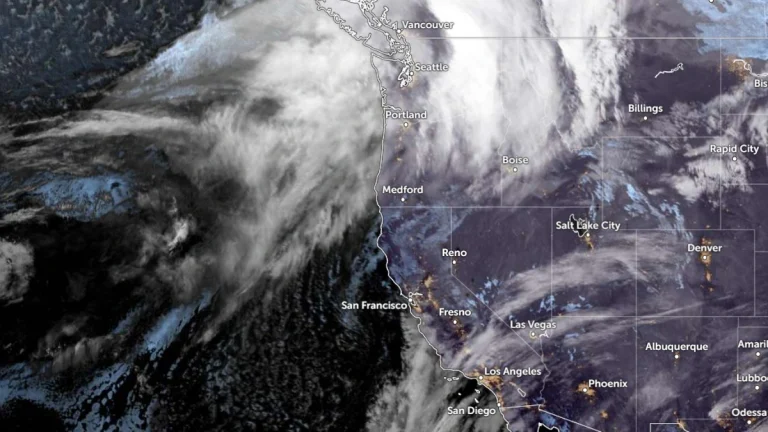
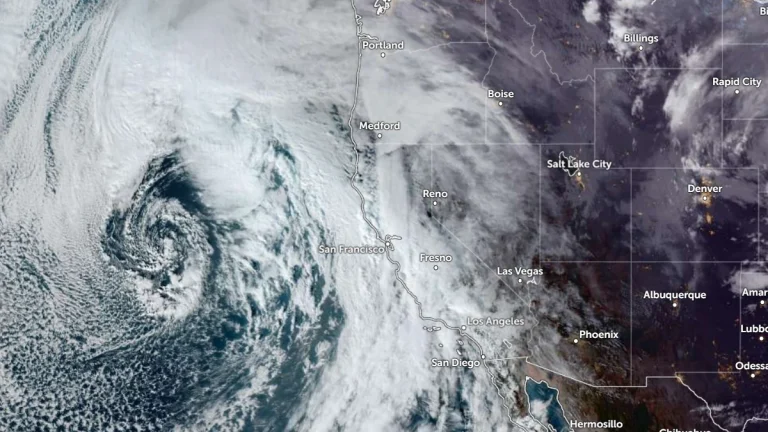
    A major atmospheric river (AR4–AR5 possible) is forecast to make landfall over the Pacific Northwest early Monday, December 8, 2025, and persist through Wednesday, December 10, bringing multiple days of heavy rain and elevated snow levels. Ensemble guidance shows ~70–80% of members reaching at least AR4 in southern coastal Washington, with ~20–30% indicating AR5, raising the risk of widespread riverine flooding.

  • New Jersey counties under State of Emergency as Nor’easter brings heavy snow to the U.S. Northeast

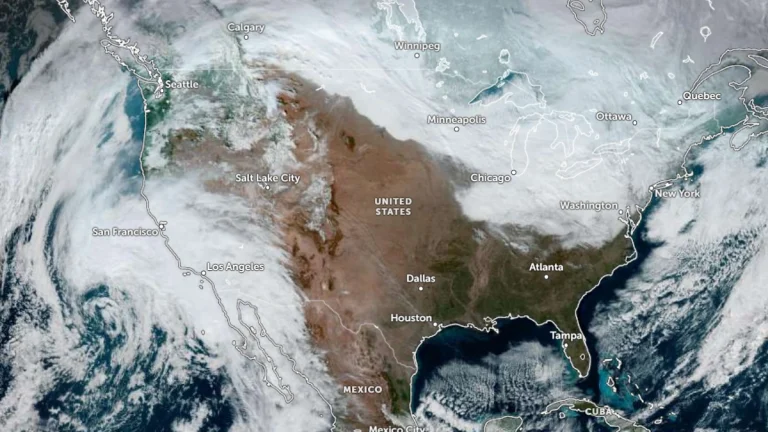
    The season’s first nor’easter began impacting the Mid-Atlantic and Northeast overnight, prompting a State of Emergency in parts of New Jersey and school closures across multiple states. The storm is forecast to rapidly intensify, possibly dropping up to 30 cm (12 inches) of snow across parts of the interior Northeast through Tuesday.

  • G2 geomagnetic storm and aurora forecast for December 3-4 following CME from X1.9 solar flare

    NOAA’s Space Weather Prediction Center (SWPC) issued a G2 – Moderate geomagnetic storm watch for December 3 and 4, 2025, following a coronal mass ejection (CME) associated with the X1.9 solar flare from Active Region 4299 on December 1. The CME is expected to deliver a glancing blow to Earth’s magnetic field, coinciding with a co-rotating interaction region (CIR) and a sector boundary crossing, increasing the potential for moderate geomagnetic storming and visible auroras at mid-latitudes.