• Increased seismic activity recorded at Bulusan volcano, Philippines

    A total of 49 volcanic earthquakes were recorded at Bulusan Volcano in Sorsogon Province, Philippines, between 03:00 LT on February 26 and 11:00 LT on March 2, 2026, prompting authorities to issue an advisory on increased seismic activity. Sixteen of the events were classified as volcano-tectonic earthquakes occurring at depths of 3–6 km (1.9–3.7 miles) beneath the northern and southeastern flanks of the volcano. Alert Level 0 remains in effect, but officials warn of a possible sudden phreatic eruption.

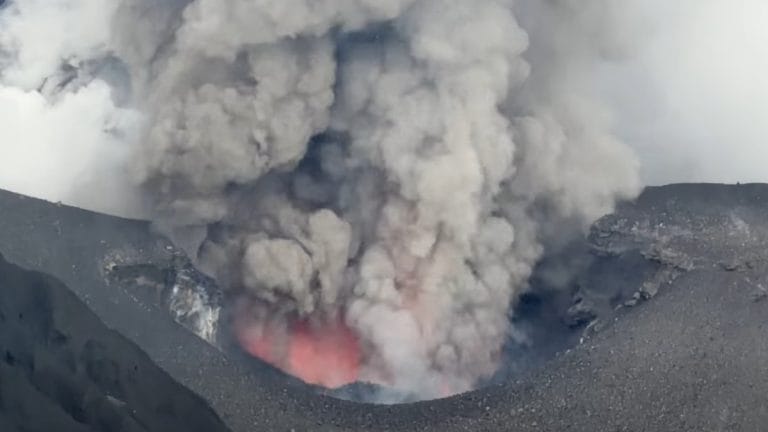
  • Kanlaon eruption sends ballistics 1.5 km high, triggers PDCs, forest fires and ashfall across 121 barangays

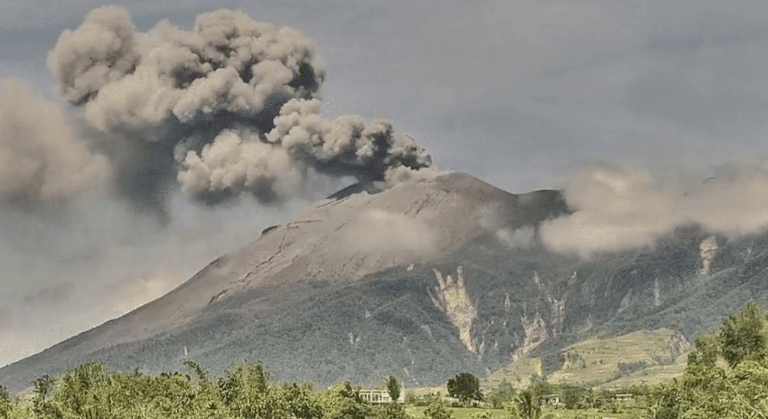
    A significant explosive eruption occurred at Kanlaon Volcano, Philippines, at 19:04 local time (LT) on February 26, 2026, sending a dense ash plume 2.5 km (1.6 miles) above the crater and producing pyroclastic density currents (PDCs) that descended its upper slopes. The eruption lasted two minutes and was followed by 77 minutes of continuous ash emission dispersed over southern Negros Island.

  • Ambae volcano Alert Level raised to 3, Vanuatu

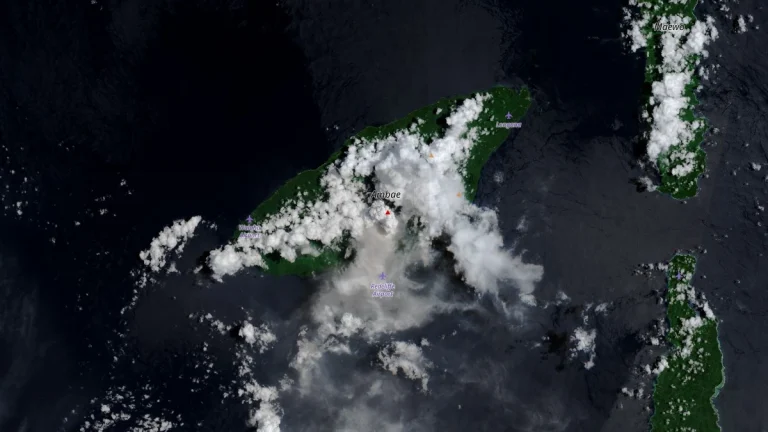
    The Vanuatu Meteorology and Geo-Hazards Department (VMGD) raised the Volcanic Alert Level for Ambae volcano to Level 3 on February 23, 2026, following increased eruptive activity that began on February 20. Ash emissions have reached up to 4 900 m (16 000 feet) above sea level on February 24, and the hazard zone has expanded to a 3 km (1.9 miles) radius around the active vent in Lake Voui.

  • Explosive eruption at Kanlaon displaces over 30 families, ashfall blankets western areas, Philippines

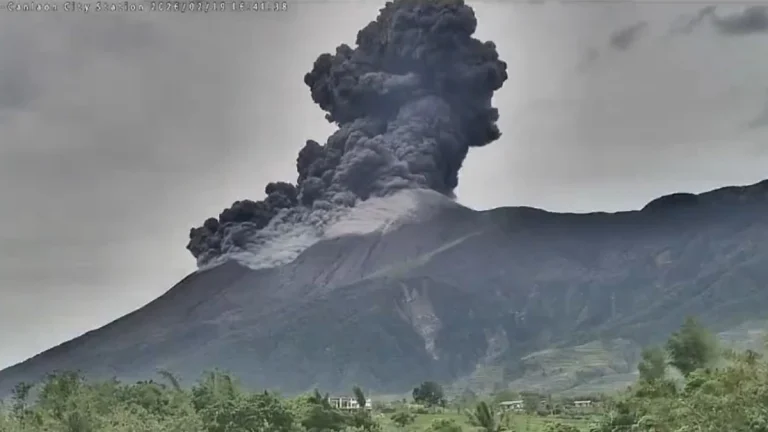
    More than 30 families evacuated La Carlota City, Negros Occidental, Philippines, after an explosive eruption at Kanlaon volcano at 16:39 LT (08:39 UTC) on February 19, 2026. The eruption generated a 2 000 m (6 562 feet) ash plume, pyroclastic density currents within 2 km (1.2 miles) of the crater, and ashfall across 41 barangays in six cities and municipalities.

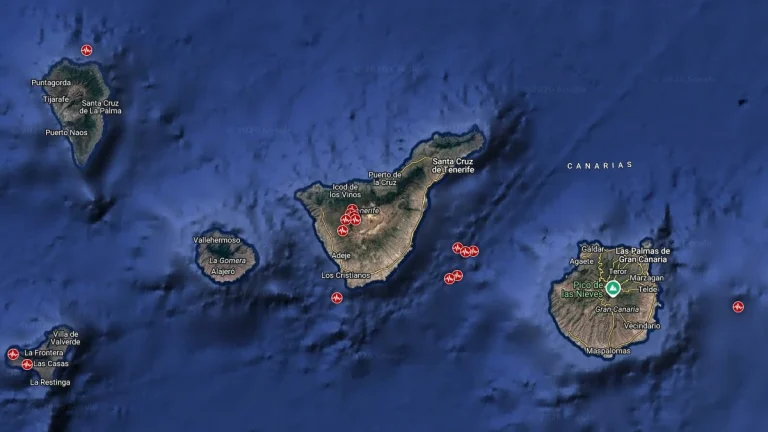
  • New swarm of hybrid seismic events beneath Teide volcano, Tenerife

    A new swarm of hybrid seismic events began beneath Teide volcano on Tenerife at 20:00 LT (21:00 UTC) on February 16, 2026, according to the Instituto Volcanológico de Canarias (INVOLCAN). More than 300 very low-magnitude earthquakes have been detected so far by the Canary Seismic Network, marking the eighth swarm of this type recorded on the island since 2016. INVOLCAN attributes the activity to magmatic-fluid injection into Tenerife’s hydrothermal system and states that the likelihood of an eruption remains unchanged.

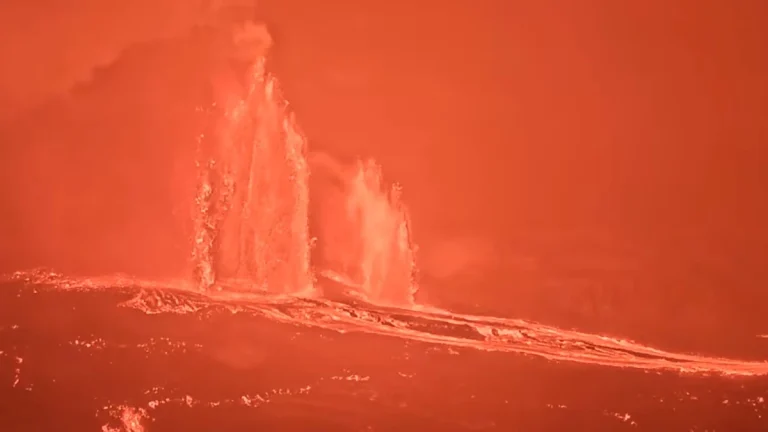
  • Episode 42 shows high-intensity magma discharge and dual-vent activity at Kīlauea volcano

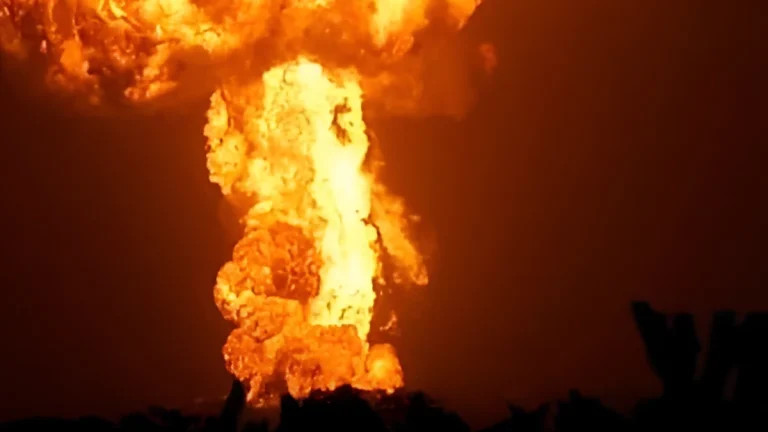
    Kīlauea volcano’s Halemaʻumaʻu crater produced one of its most intense eruptive episodes in months on February 15, 2026, when dual vents discharged lava at rates up to 780 m³/s (1 000 yd³/s) and fountains rose 400 m (1 300 feet) high before the activity paused at 23:38 HST. The episode released an estimated 11.4 million m³ (15 million yd³) of lava and covered about half of the crater floor.

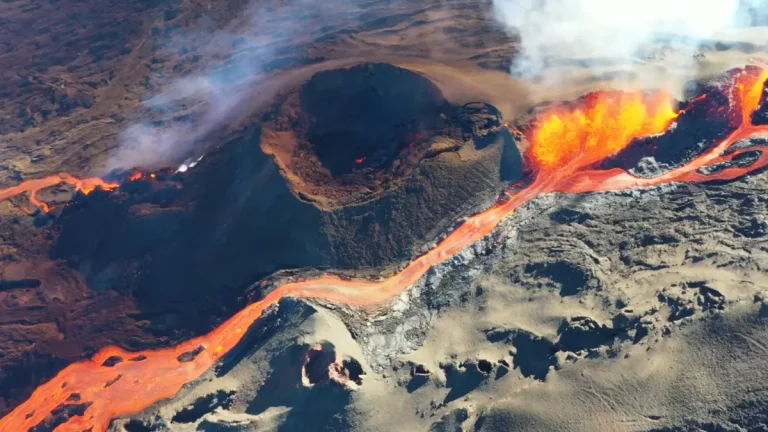
  • Second eruption follows January unrest at Piton de la Fournaise, La Réunion

    A second effusive eruption began at Piton de la Fournaise, La Réunion, at 10:06 LT on February 13, 2026, after a new seismic crisis beneath the summit. The eruption is occurring on the south–south-east flank inside the Enclos Fouqué caldera, where fissures opened and lava flows are descending the Grandes Pentes. Authorities activated ORSEC Alert 2–1 and closed access to the caldera.