• NWS data show heavy snow and significant ice from the January 2026 U.S. winter storm

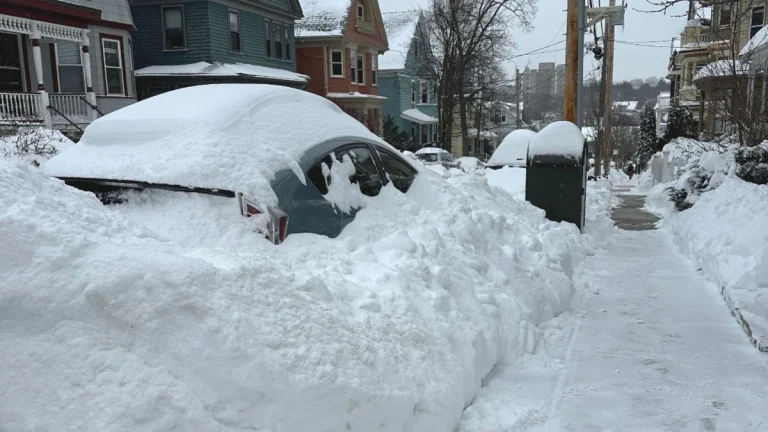
    Official data from the National Weather Service Weather Prediction Center (WPC) confirms widespread snow, sleet, and freezing rain accumulations across large portions of the United States during the January 23–26, 2026, winter storm. Preliminary data show snowfall exceeded 50 cm (20 inches) in parts of New England and the interior Northeast, while ice accretions reached 25 mm (1 inch) across portions of the Carolinas and northern Georgia. The system’s departure early on January 26 ended four days of significant winter weather affecting more than a dozen states.

  • Toronto Pearson sets all-time daily snowfall record as January 2026 becomes snowiest month since records began, Canada

    A powerful winter storm delivered record-breaking snowfall across Toronto, Ontario, Canada, on January 25, 2026, with 46 cm (18.1 inches) measured at Toronto Pearson International Airport as of 05:00 LT on January 26. This marks the highest single-day snowfall recorded since observations at the airport began in 1937. The event established new daily and monthly records for the site and caused widespread disruption across the Greater Toronto Area.

  • Major U.S. winter storm claims at least 24 lives in 14 states, leaves over 1 million customers without power

    A major winter storm swept across the eastern two-thirds of the U.S. over the weekend, claiming at least 24 lives as of Monday, January 26, 2026. Over a million customers, roughly 2.5 million people, were left without power as snowstorms hit the northern and northeastern regions, while freezing rain and ice storms wreaked havoc in the south. States of emergency have been declared across multiple regions as the storm’s impacts linger.

  • Stratospheric warming developing over the Arctic forecast to weaken the polar vortex and influence February weather

    Meteorological forecasts show a major sudden stratospheric warming event forming over the Arctic, likely to cause significant weakening of the polar vortex in early February 2026. The resulting atmospheric disruption may alter jet-stream dynamics and increase the risk of Arctic air intrusions into North America and northern Europe during the second half of February.

  • Severe snowstorm leaves 11 dead in Afghanistan

    Heavy winter storms struck northern and central Afghanistan on Thursday, January 22, 2026, causing avalanches, building collapses, and road blockages across several provinces. At least 11 people were confirmed dead, with fatalities reported in Kandahar, Parwan, Bamyan, Maidan Wardak, Jawzjan, and Faryab.

  • Potentially historic winter storm forecast to impact more than 30 states across the U.S.

    A potentially historic winter storm associated with the Polar Vortex is forecast to bring heavy snow, freezing rain, and dangerous cold across much of the United States from January 23 to 26, 2026. The system is expected to cause widespread travel disruptions, power outages, and hazardous conditions from Texas to the Northeast, with more than 200 million people under various National Weather Service warnings and watches.

  • Long-duration power outages and extremely hazardous travel expected as major winter storm spreads from the Southern Plains to the Northeast

    The National Weather Service (NWS) warns of catastrophic ice accumulation from the Southern Plains to the Southeast as a major winter storm develops and tracks northeastward from January 23 to 26, 2026. The storm is forecast to produce widespread freezing rain, heavy snow, and dangerously cold temperatures, threatening critical infrastructure and travel across much of the eastern United States.