The Watchers team and our contributors bring the latest on extreme weather, earthquakes, volcanic eruptions, space weather, and all things science. We're all about making sense of the natural world and keeping you informed on what’s happening. Got a tip or a question? Hit us up using the form at newstips!

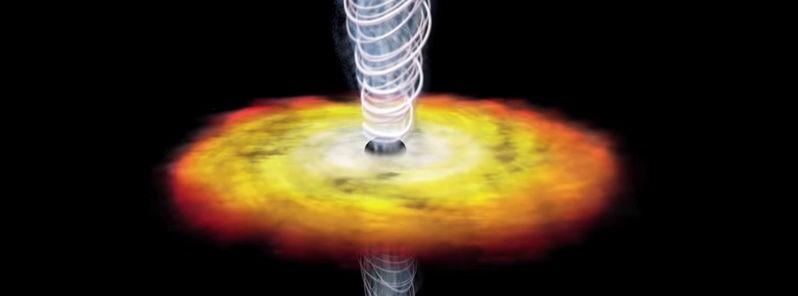
  • Astrophysicists inching closer to the physics truth about black holes

    I have been arguing for years that the so-called black holes are nothing more than extremely powerful magnetic field regions formed in dense space plasma. These regions are similar to sunspots and coronal holes. However, in extremely dense plasma – specifically at the
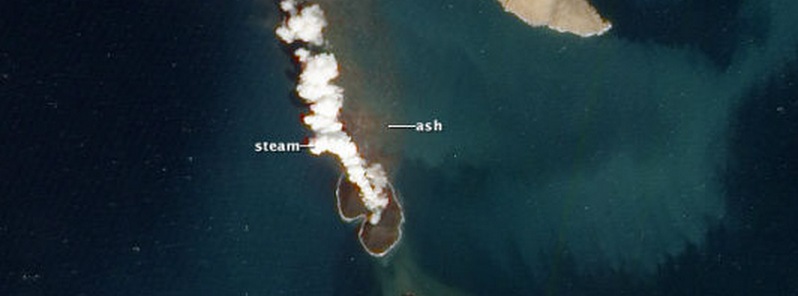
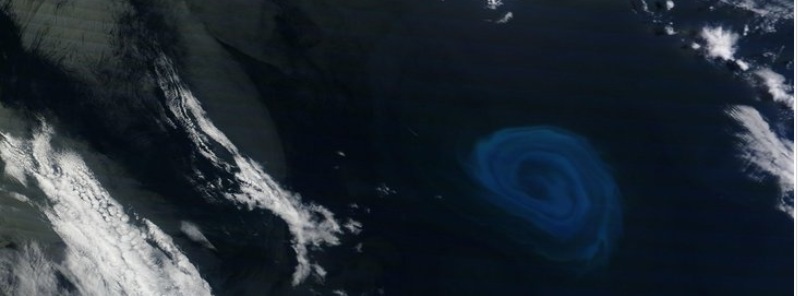
  • Rare glimpse: satellites catch the birth of two volcanic islands

    The birth of a volcanic island is a potent and beautiful reminder of our dynamic planet’s ability to make new land. Given the destruction we’ve seen following natural events like earthquakes and tsunamis in the past few years, stunning images of two islands

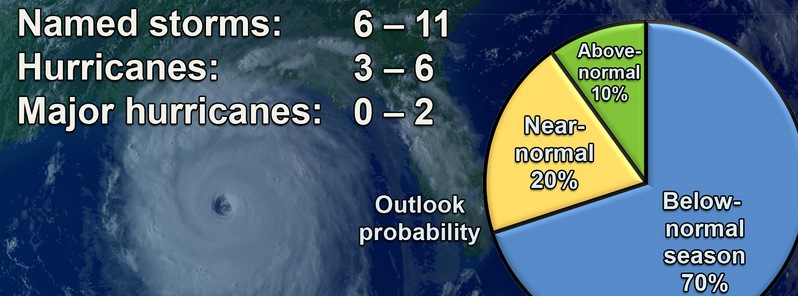
  • Below-normal 2015 Atlantic hurricane season expected

    NOAA's CPC forecasters say the 2015 Atlantic hurricane season will likely be below-normal, but warn there is no reason to believe coastal areas will have it easy.For the hurricane season, which officially runs from June 1 – November 30, NOAA is predicting a 70% like

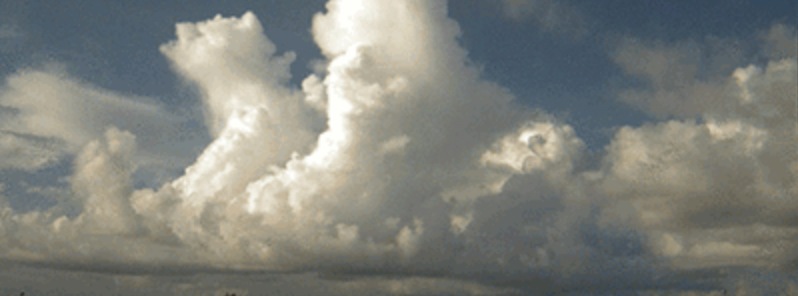
  • Clouds in 3D: Innovation makes stereophotogrammetry a common thing

    Berkeley Lab scientists David Romps and Rusen Oktem made advancements in stereophotogrammetry, a technique which uses photos to make 3D measurements of cloud boundaries, transforming it from labor-intensive process to a tool that can now be used on a regular basis. Impr

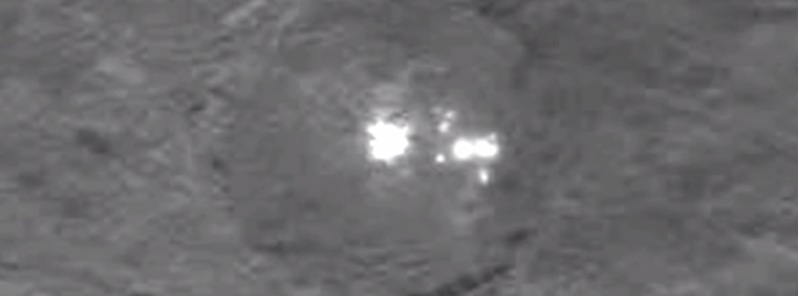
  • Ceres: an electrically scarred world

    In April of 2015, the NASA Dawn Spacecraft began transmitting new, close-up images of the mysterious dwarf planet Ceres. The images to date have only deepened the mystery surrounding the puzzling bright spots on the planet’s surface.However, in addition to this on

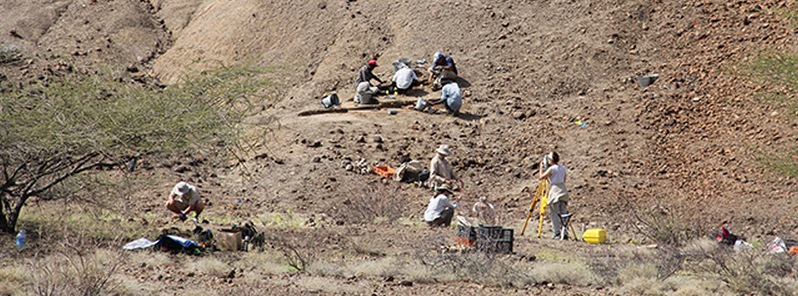
  • 3.3-million-year-old stone tools found in Kenya

    Scientists working in the desert badlands of northwestern Kenya have found stone tools dating back 3.3 million years, long before the advent of modern humans, and by far the oldest such artifacts yet discovered. The tools, whose makers may or may not have been some

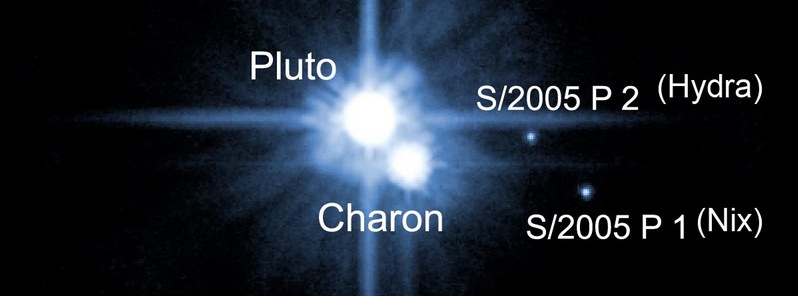
  • Pluto: New Horizons in the electric universe

    In July of this year, NASA’s New Horizons spacecraft is scheduled to achieve the first ever close-up fly by of Pluto, which is more than 7.2 billion km (4.5 billion miles) from Earth. Like the scientific world at large, the electric universe community eagerly

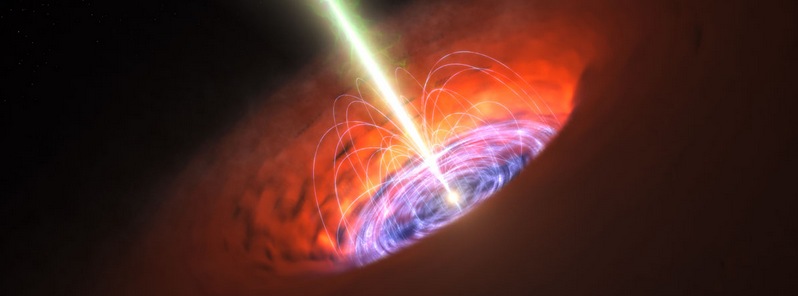
  • Electric currents create cosmic magnetic fields

    Scientists in Germany using the Hubble space telescope have detected extremely strong magnetic fields in a quasar which is said to be about 4 billion light years from Earth. The magnetic fields were measured at 200 million Gauss.In comparison, the strength of the magnet

  • ‘Dead zones’ found in Atlantic open waters

    A team of German and Canadian researchers have discovered areas with extremely low levels of oxygen in the tropical North Atlantic, several hundred kilometres off the coast of West Africa. The levels measured in these ‘dead zones’, inhabitable for most

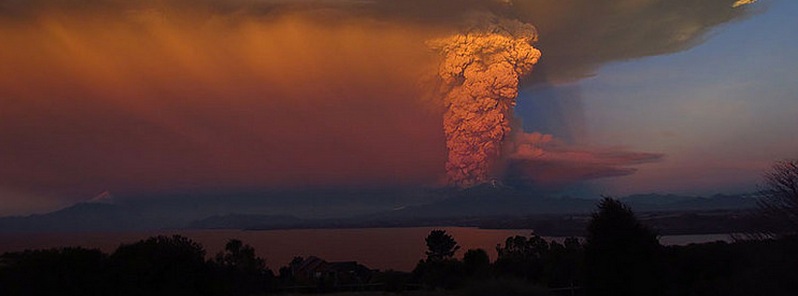
  • New trigger for volcanic eruptions discovered using jelly and lasers

    Scientists have made an important step towards understanding how volcanic eruptions happen, after identifying a previously unrecognised potential trigger.An international team of researchers from the University of Liverpool, Monash University and the University of