Tennis ball-sized hail strikes Oklahoma City metro, U.S.
A destructive storm struck Oklahoma City metro, on Tuesday, September 24, 2024, bringing tennis ball-sized hail and causing widespread damage.


I am an Assistant Editor and Severe Weather & Science Journalist at The Watchers, specializing in real-time severe weather coverage, geophysical event reporting, and research-driven scientific analysis. You can reach me at rishav(at)watchers(.)news.

A destructive storm struck Oklahoma City metro, on Tuesday, September 24, 2024, bringing tennis ball-sized hail and causing widespread damage.

Hurricane “Helene” made landfall near Perry in the Big Bend region of Florida at 23:10 local time (LT) on Thursday, September 26, 2024, as a Category 4 hurricane with record-breaking winds of 220 km/h (140 mph). It created massive life-threatening storm surges of up to 6.1 m (20 feet). Multiple extreme wind warnings have been issued across several counties in the Big Bend region before the arrival of the eye of the storm.

Eleven people have been confirmed dead following unprecedented rainfall that hit Japan’s Ishikawa Prefecture on Friday and Saturday, September 21 and 22, 2024, resulting in severe flooding and widespread damage across the region.

A series of over 100 shallow earthquakes have struck 48 km (30 miles) on the edge of the Hanford nuclear site northwest of Washington’s Tri-Cities since Saturday, September 21, 2024, with scientists attributing the tremors to tectonic activity near the Yakima Fold and Thrust Belt.
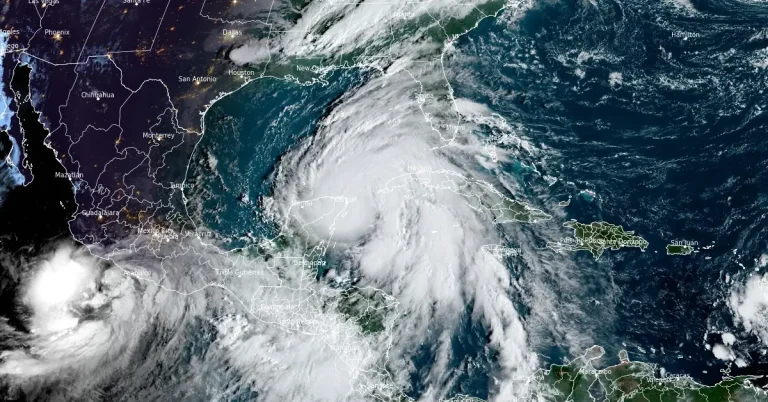
Tropical Storm “Helene” is expected to rapidly intensify and become a major hurricane by Thursday, September 26, 2024, as it moves toward the Gulf Coast. Forecasts predict that the storm will bring dangerous flooding and strong winds to western Cuba, the Yucatan Peninsula, and the southeastern U.S. as early as Thursday.
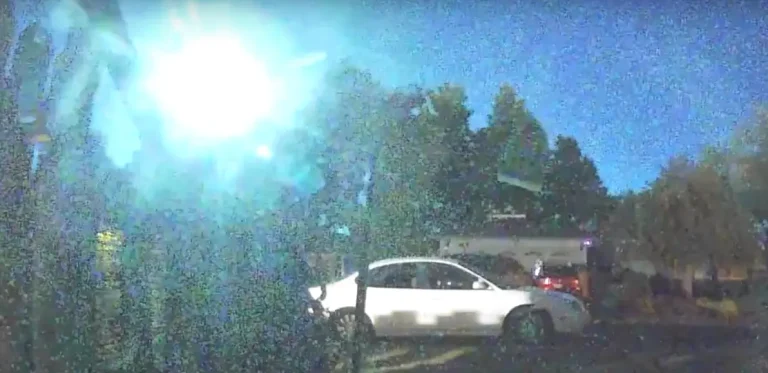
A very bright fireball lit up the skies over the western United States at 05:46 UTC on September 24, 2024, and was seen from California to Washington.
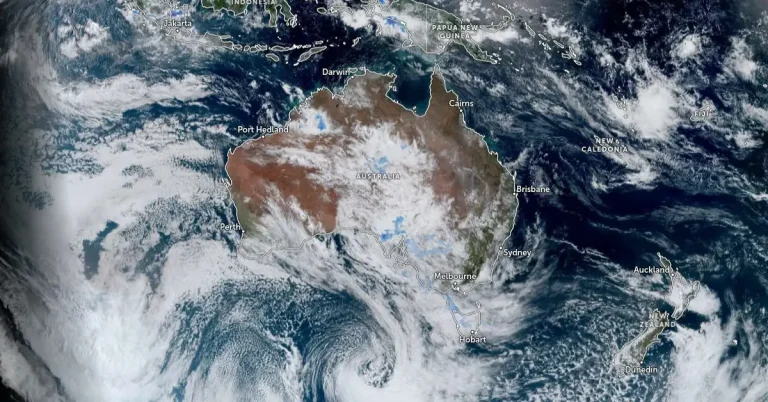
Following record-breaking rains in Western Australia’s Pilbara on Saturday, September 21, 2024, a tropical system is expected to deliver widespread rainfall across 80 % of Australia this week.

The NA62 experiment at CERN, backed by researchers from Lancaster University, has observed a rare decay process, happening in less than one in ten billion charged kaons. This discovery, presented at a CERN EP seminar on September 24, 2024, may shed light on new physics, taking us closer to breakthroughs in particle interactions beyond the Standard Model.
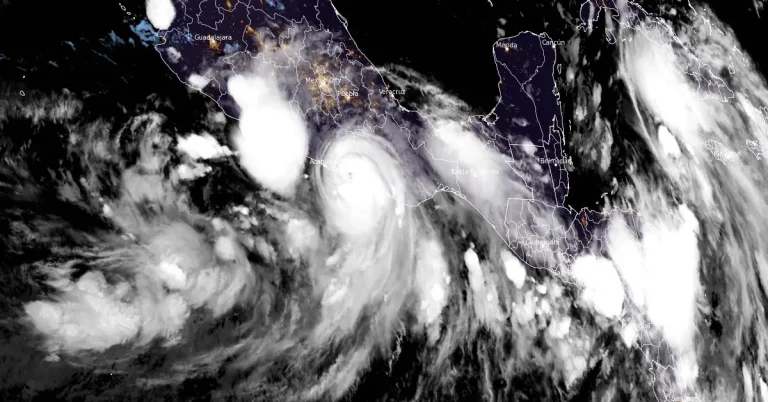
With maximum winds of 193 km/h (120 mph), Hurricane “John” struck Mexico’s Pacific coastline on Monday, September 23, 2024, triggering evacuations and widespread flash floods. Flash floods and mudslides are expected in Chiapas, Oaxaca, and Guerrero.

A strong and shallow earthquake, registered by the Japan Meteorological Agency (JMA) as M5.9, struck near Torishima Island, Japan, at 23:14 UTC on September 23, 2024 (08:14 JST on September 24). The agency reported a depth of 10 km (6.2 miles). The USGS reported M5.6 at a depth of 11.7 km (7.3 miles), while the EMSC reported M5.6 at a depth of 9 km (5.6 miles).
