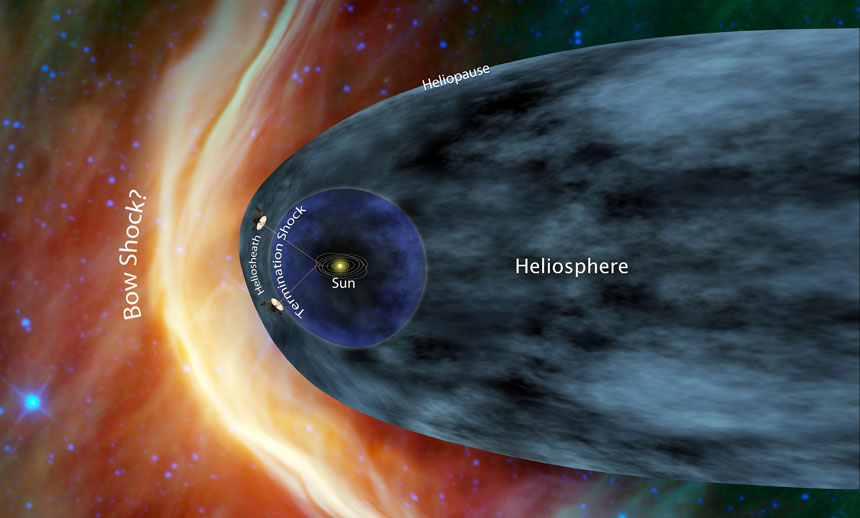
• Has Voyager 1 already left our solar system?

    As noted before, Voyager 1 is at the edge of our solar system. Science enthusiasts around the world are eyeing Voyager 1’s progress as such an incident will mark another giant leap for humanity. New data suggests it has already happened. There were three things
  • Denmark achieves solar energy goal eight years in advance

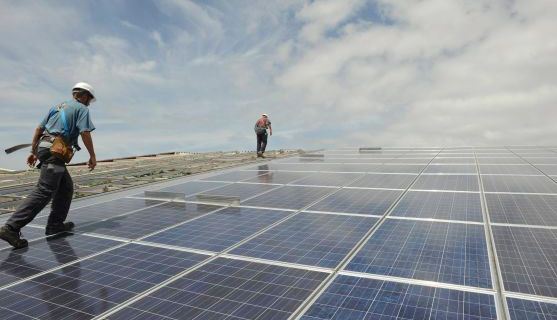
    Earlier this year, Denmark’s parliament resolved to increase share of renewable energy to 35% among Danish energy supply by 2020, making it to 100% by 2050. Denmark recently announced that the nation will achieve its 2020-goal of 200 MW solar cell capacity this year,

  • Swift satellite discovers rare X-ray Nova and a black hole

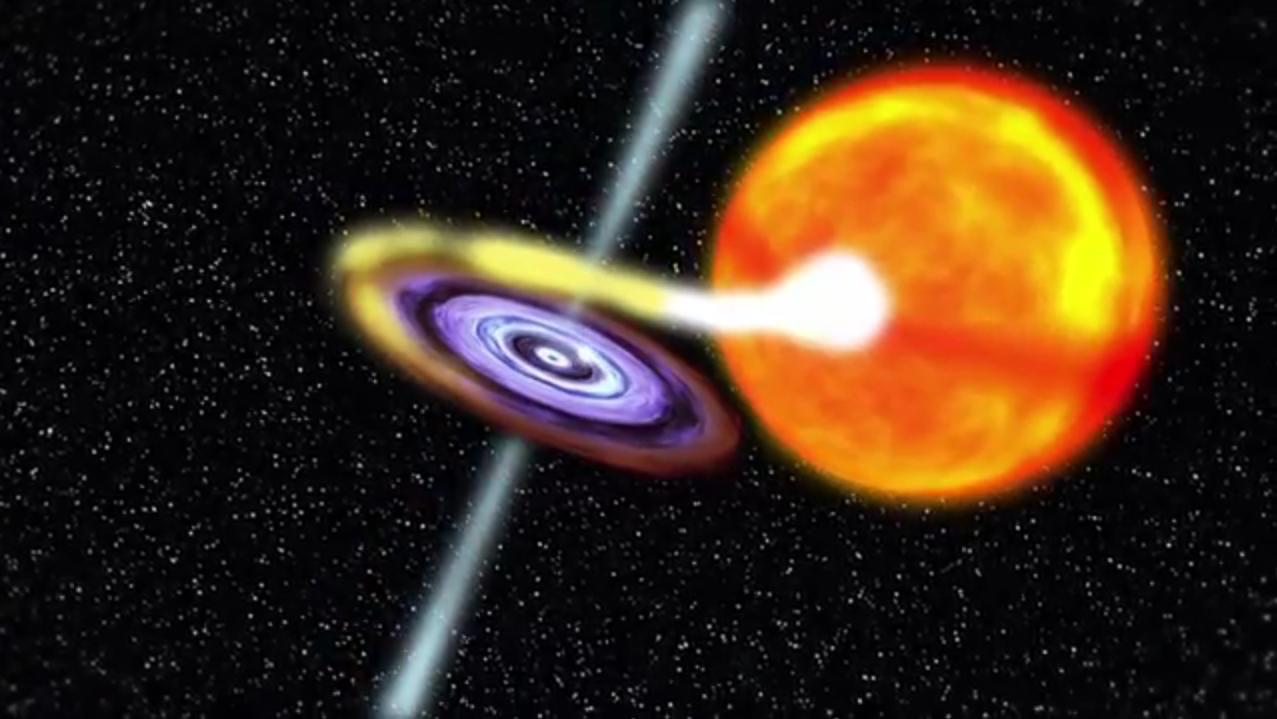
    NASA’s Swift satellite has discovered a stellar-mass black hole toward center of our Milky way galaxy. With its advantageous X-rays detection ability, Swift found a rare Nova as a result of high energy X-ray outburst in mid-September; leading to discovery of black

  • NSF issues grant worth $12 million for research on Ocean acidification

    Ocean acidification is a major threat to our marine ecosystems. Provided carbon dioxide levels have considerably risen in the atmosphere, scientists suggest oceans are now acidifying at a rate faster than anytime during past 300 million years. In an attempt to

  • Spitzer improves measurement of Universe’s expansion rate

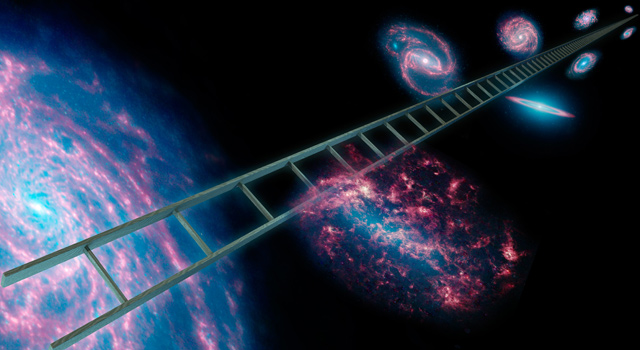
    NASA’s Spitzer space telescope’s latest achievement is most precise measurement of universe’s expansion rate, also known as Hubble constant. As per JPL’s press release, it improves by a factor of 3 on a similar, seminal study from the Hubble telescope and brings the

  • Transient electronics – devices that disappear after serving purpose

    Researchers have developed biocompatible electronic devices able to serve as conventional electronics but unlike them, these can harmlessly dissolve into fluids. This characteristic opens up a complete array of possible applications like bioresorbable (can be broken

  • eXtreme Deep field – Universe’s farthest view ever!

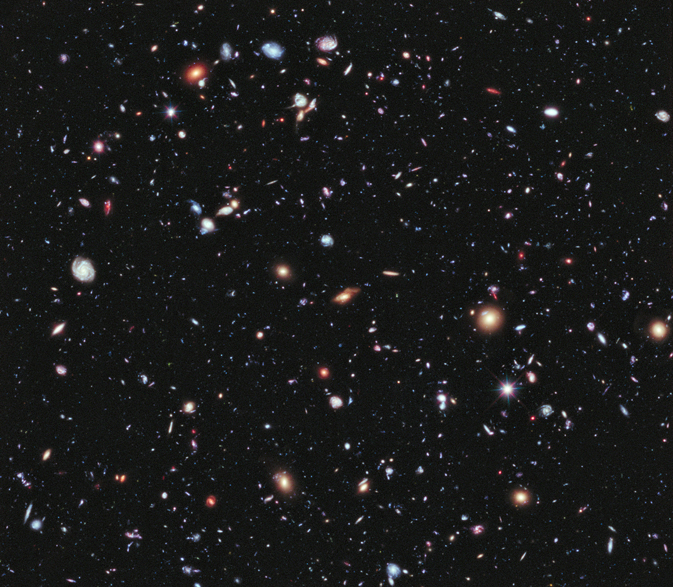
    Yet another astounding photo by Hubble mission reveals farthest view into the universe. Called the eXtreme Deep field (XDF), it is a successor of Hubble ultra deep field image created in 2004. XDF (extreme deep field) is a full-colored image developed from photos

  • ESA’s new weather satellite started sending data

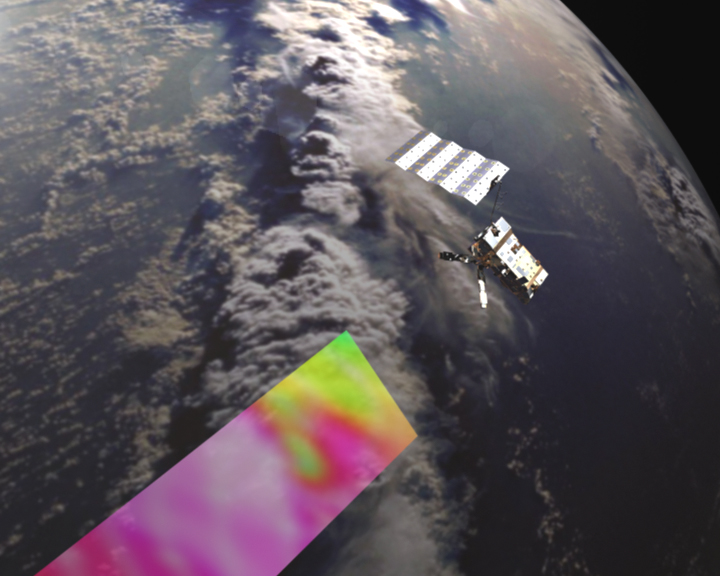
    ESA’s weather satellite Metop-B in Metop series launched on 17th September is performing well in its polar orbit. ESA’s recent press release states that satellite on its way towards replacing the ageing Metop-A as prime operational satellite in polar orbit, after

  • Game changing invention in carbon capture technology

    Does the term “Carbon capture and storage” ring a bell in your mind? Wikipedia defines it  as a “technology attempting to prevent the release of large quantities of CO2 into the atmosphere from fossil fuel use in power generation and other industries by capturing

  • “Earth’s Chorus” captured by NASA’s RBSP spacecraft [VIDEO]

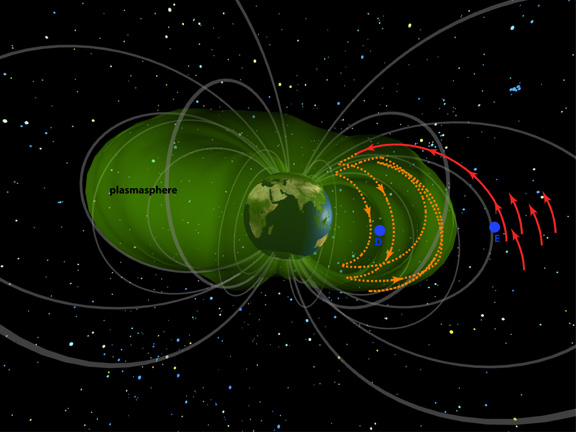
    The ‘chorus’ phenomenon is well known by scientists, which is a cluster of brief, rising-frequency tones that sound like the chorus of birds singing at sunrise. Energetic particles in the magnetosphere emit radio waves that are audible to humans. Recently launched