I'm a dedicated researcher, journalist, and editor at The Watchers. With over 20 years of experience in the media industry, I specialize in hard science news, focusing on extreme weather, seismic and volcanic activity, space weather, and astronomy, including near-Earth objects and planetary defense strategies. You can reach me at teo /at/ watchers.news.

  • Strong M6.0 earthquake hits near Sarangani, Philippines

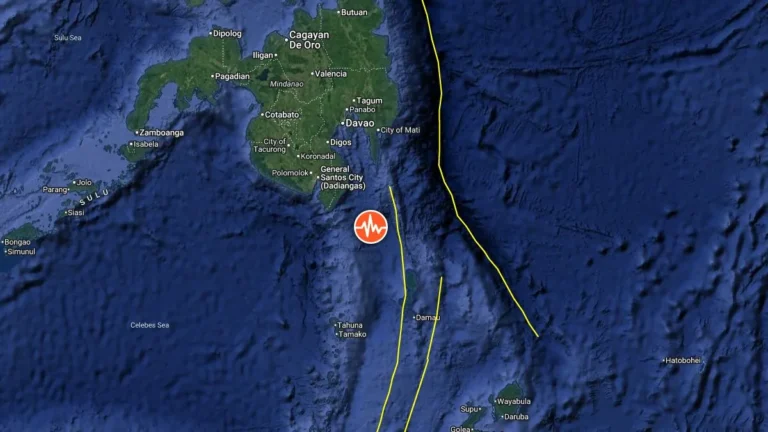
    A strong earthquake registered by the USGS as M6.0 hit 90 km (56 miles) SE of Sarangani, Philippines at 10:34 UTC on April 4, 2026. The agency is reporting a depth of 99.6 km (61.9 miles). EMSC is reporting M6.0 at a depth of 100 km (62 miles).
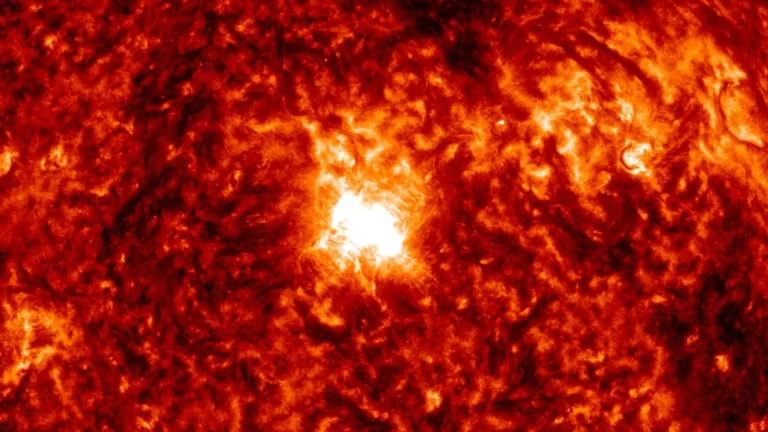
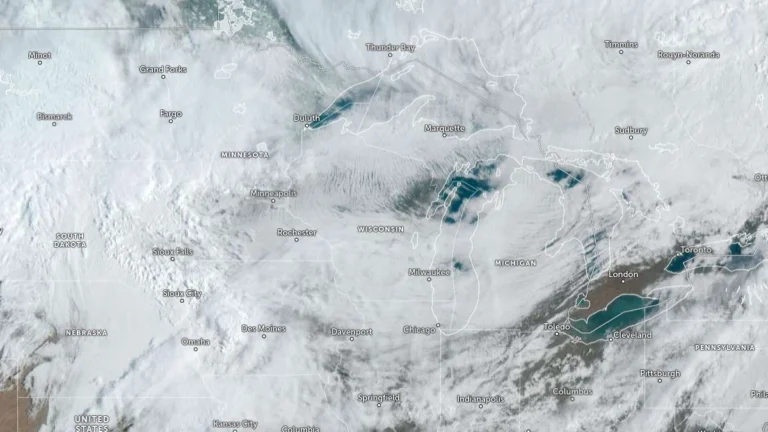
  • Impulsive M7.5 solar flare erupts from Earth-facing Region 4409, geomagnetic conditions remain elevated

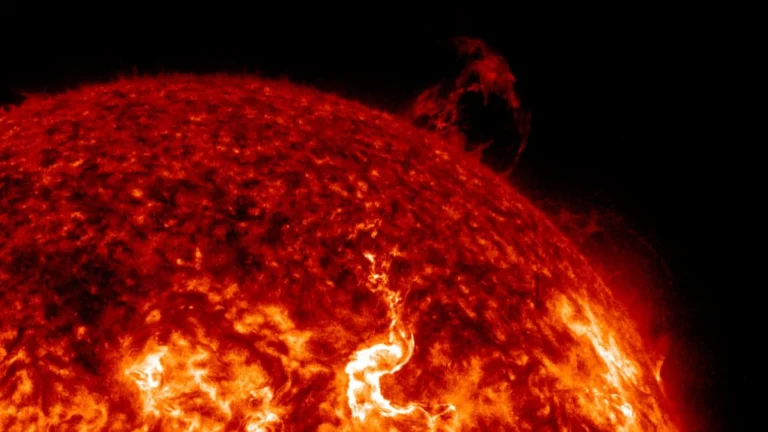
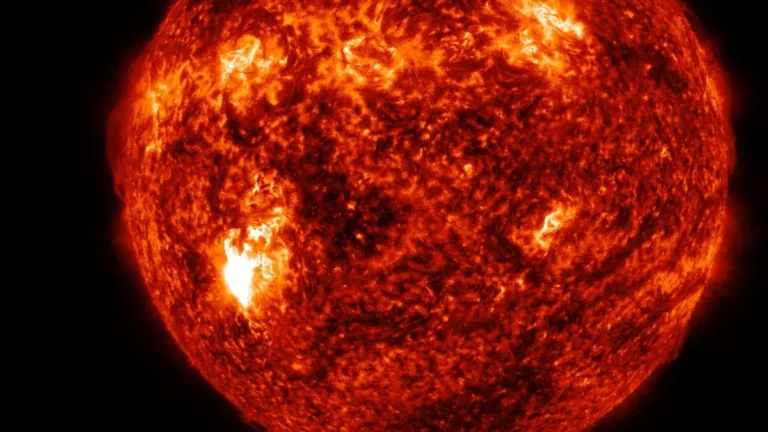
    A strong solar flare measuring M7.5 erupted from Active Region 4409 at 01:17 UTC on April 4, 2026. The event started at 01:07 and ended at 01:23 UTC. No radio signatures indicating a coronal mass ejection (CME) were detected, despite the region’s position near the center of the solar disk, where any CME produced would likely be Earth-directed. Forecast conditions indicate solar activity will likely remain at moderate levels through April 6, with a slight chance of X-class flares, while geomagnetic conditions are expected to reach G1 – Minor to G2 – Moderate storm levels on April 4 under the combined influence of the April 1 CME and a negative polarity coronal hole high-speed stream.

  • Asymmetric halo CME following April 1 filament eruption forecast to deliver a glancing blow on April 4

    A filament eruption associated with a C6.1 solar flare from Active Region 4403 at 23:28 UTC on April 1, 2026, produced an asymmetric halo coronal mass ejection. Initial modeling indicates the bulk of the ejecta is directed north of Earth’s orbit, with a possible glancing impact early on April 4 that could trigger minor to moderate geomagnetic storming. Current geomagnetic conditions remain influenced by a combined coronal hole high-speed stream and prior CME activity.

  • Major M7.4 earthquake hits Molucca Sea, Indonesia, tsunami waves observed

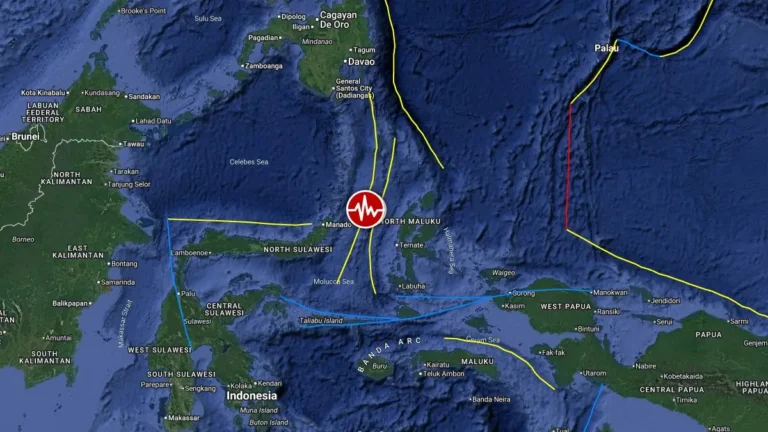
    A major earthquake registered by the USGS as M7.4 hit the Molucca Sea, Indonesia, at 22:48 UTC on April 1, 2026. The agency is reporting a depth of 35 km (22 miles). EMSC is reporting the same magnitude and depth. According to the Pacific Tsunami Warning Center (PTWC), tsunami waves up to 0.65 m (2.1 feet) were observed at Kema, Sulawesi.

  • Extensive AMS analysis of Q1 2026 fireball surge raises questions about the near-Earth meteoroid environment

    A measurable increase in large fireball events was recorded during the first quarter of 2026, and the strongest evidence for that shift comes from a new analysis by the American Meteor Society (AMS), which reviewed its fireball database back to 2011 and focused on Q1 patterns during the mature reporting era of 2021–2026. Their main…

  • Heavy rain triggers urban flooding and transport disruption in Dubai, UAE

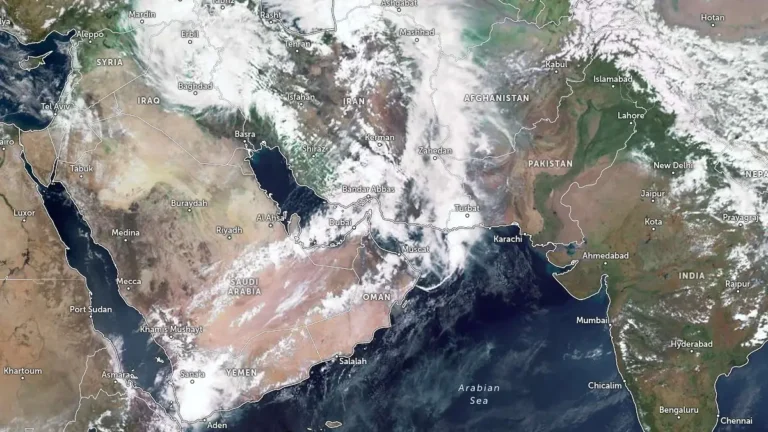
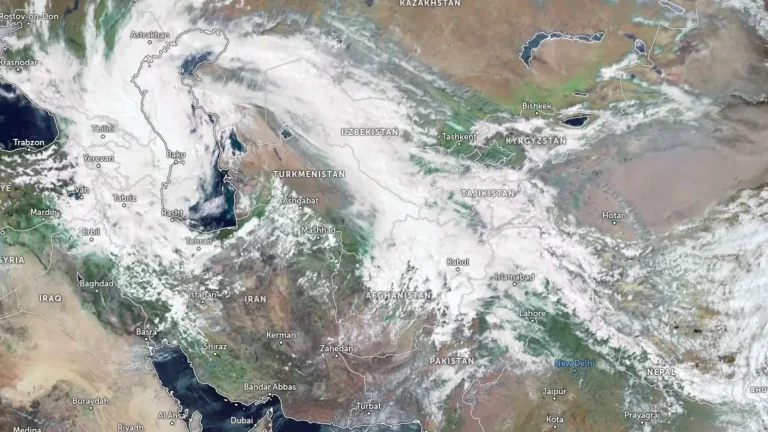
    Flooding affected Dubai, United Arab Emirates, between March 23 and 27, 2026, after a multi-day period of thunderstorms and heavy rainfall impacted large parts of the country. Roads were inundated, vehicles became stranded, and transport operations experienced disruptions as rainfall totals exceeded 100 mm (3.9 inches) in parts of the UAE.

  • Major M7.3 earthquake hits near Luganville, Vanuatu

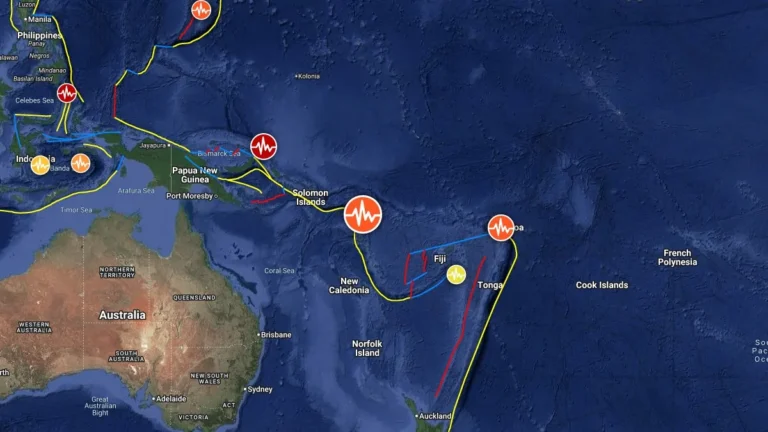
    A major earthquake registered by the USGS as M7.3 hit near Luganville, Vanuatu at 08:44 UTC (19:44 LT) on March 30, 2026. The agency is reporting a depth of 115.8 km (72 miles). EMSC is reporting M7.3 at a depth of 116 km. According to the Pacific Tsunami Warning Center (PTWC), there is no tsunami threat from this event.