I'm a dedicated researcher, journalist, and editor at The Watchers. With over 20 years of experience in the media industry, I specialize in hard science news, focusing on extreme weather, seismic and volcanic activity, space weather, and astronomy, including near-Earth objects and planetary defense strategies. You can reach me at teo /at/ watchers.news.

  • Asteroid 2026 JH2 to fly past Earth at 0.24 lunar distances

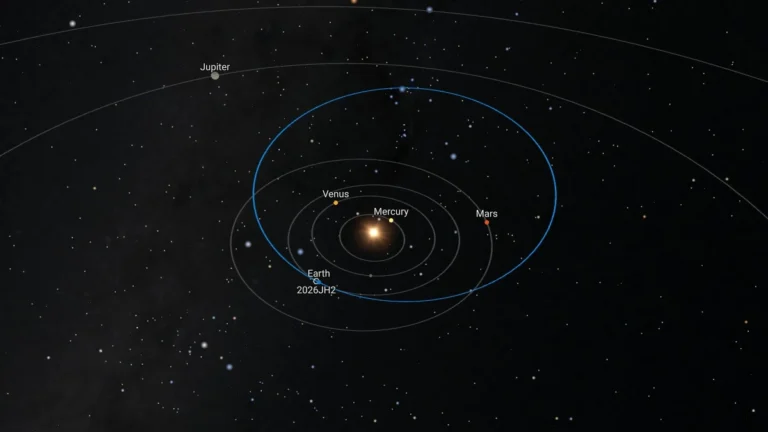
    Asteroid 2026 JH2 is expected to pass Earth at a distance of 0.237 LD (0.00061 AU / 91 300 km / 56 700 miles) from the center of our planet at 21:23 UTC on May 18, 2026. Its closest point will be about 84 900 km (52 700 miles) above Earth’s surface.

  • Rare volcanic ash emission detected from submarine volcano in Central Bismarck Sea, Papua New Guinea

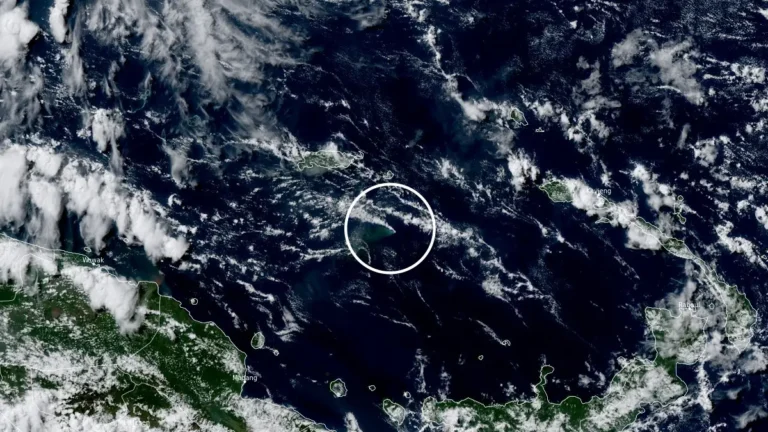
    Darwin VAAC is reporting a rare volcanic ash emission from a submarine volcano in the Bismarck Sea Volcanic Province, Papua New Guinea, since Monday, May 11, 2026. By Wednesday, May 13, ash was rising to about 4 km (13 000 feet) above sea level, while satellite imagery showed water discoloration near the advisory area. Meteorological cloud partly obscured the ash in the latest imagery, but Himawari-9 observations and model guidance continued to support the advisory.

  • Pennsylvania seeks federal aid after April freeze damages specialty crops

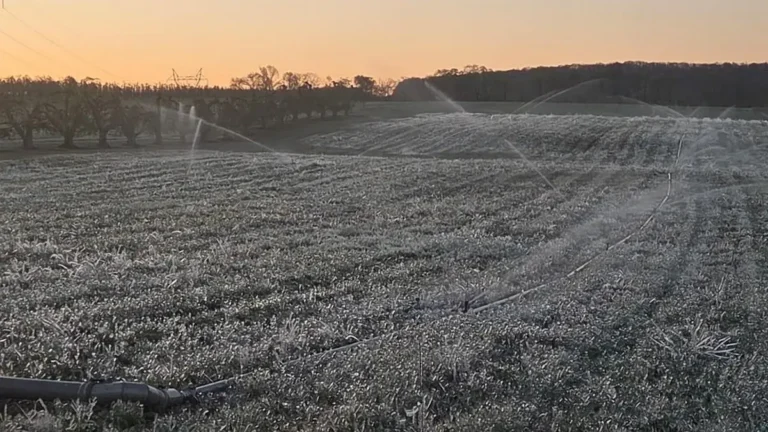
    Pennsylvania Governor Josh Shapiro requested a USDA Secretarial Disaster Designation for all counties after below-freezing temperatures on April 21, 2026, damaged specialty crops across the state. Early estimates place possible economic losses for Pennsylvania’s specialty-crop industry at USD 150 million to USD 200 million.

  • PVMBG raises Lewotobi Laki-laki to Level III after seismicity and inflation increase, Indonesia

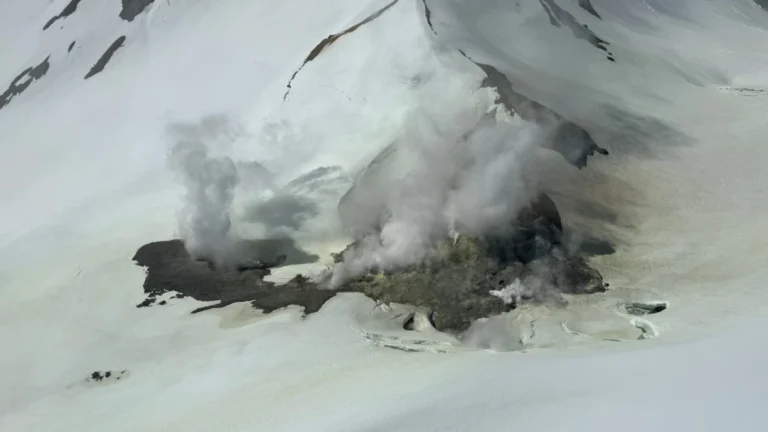
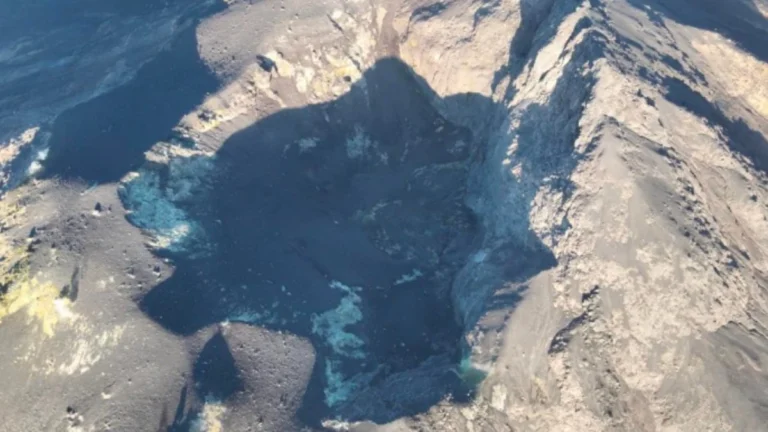
    Indonesia’s Center for Volcanology and Geological Hazard Mitigation (PVMBG) raised the alert level for Lewotobi Laki-laki in East Flores, East Nusa Tenggara, from Level II to Level III at 13:00 WITA (05:00 UTC) on May 12, 2026. The decision followed increased deep volcanic earthquakes, persistent non-harmonic tremor, inflation, and surface activity from May 1 to 11. Residents and tourists were told to avoid activity within a 5 km (3.1 miles) radius of the eruption center.

  • Asteroid 2026 JM2 passed Earth at 0.1 lunar distance

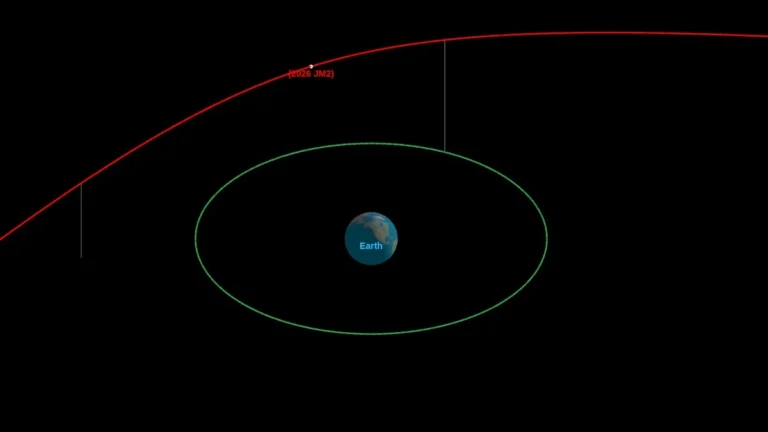
    Asteroid 2026 JM2 passed Earth at a distance of 0.114 LD (0.00029 AU / 43 800 km / 27 200 miles), from the center of our planet at 13:06 UTC on May 7, 2026, becoming the 4th closest known asteroid flyby within 1 lunar distance recorded so far this year. At its closest, the object was about 37 400 km (23 200 miles) above Earth’s surface, about 1 600 km (1 000 miles) outside the altitude used by geostationary satellites.

  • Giant hail up to 11.4 cm (4.5 inches) and damaging winds hit Texas

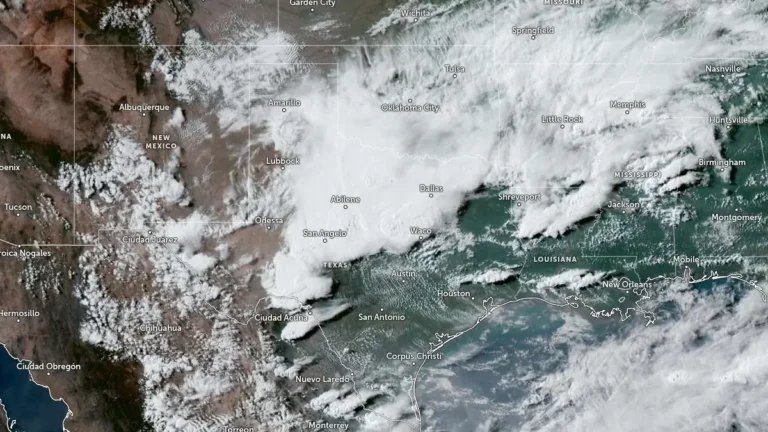
    Severe thunderstorms produced giant hail up to 11.4 cm (4.5 inches), damaging winds, power outages, and road blockages across parts of Texas on May 10 and 11, 2026, after the Storm Prediction Center (SPC) placed parts of west-central and north-central Texas under an Enhanced Risk. SPC storm reports included baseball-size hail in several counties, wind damage near Hamilton, more than 18 000 power outages in the Austin area, and gusts up to 135 km/h (84 mph) near Corpus Christi NAS.

  • NDMA warns of GLOF risk after deadly storms hit Khyber Pakhtunkhwa, Pakistan

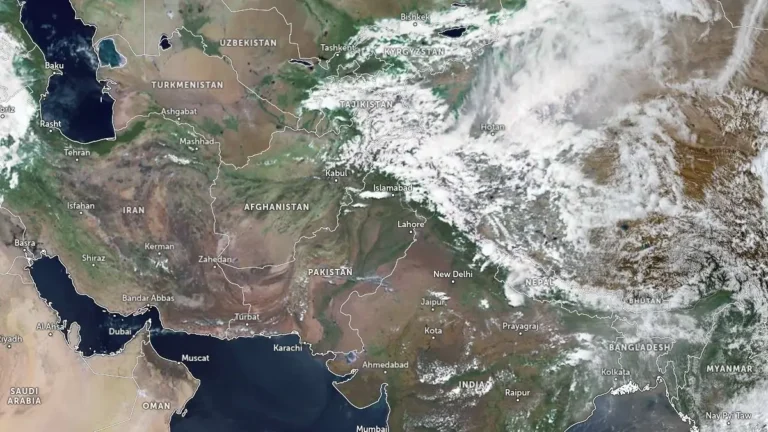
    Severe storms and heavy rain killed 4 people and injured 16 others across Khyber Pakhtunkhwa, northwestern Pakistan, on May 10–11, 2026, after walls and roofs collapsed in several districts. The affected districts include Mardan, Swabi, Malakand, and Shangla, while Pakistan’s NDMA warned of continued rain, flash flooding, debris flows, and elevated GLOF risk in northern mountain catchments.