I'm a dedicated researcher, journalist, and editor at The Watchers. With over 20 years of experience in the media industry, I specialize in hard science news, focusing on extreme weather, seismic and volcanic activity, space weather, and astronomy, including near-Earth objects and planetary defense strategies. You can reach me at teo /at/ watchers.news.

  • Super Typhoon Sinlaku cripples power, roads and key infrastructure on Saipan and Tinian

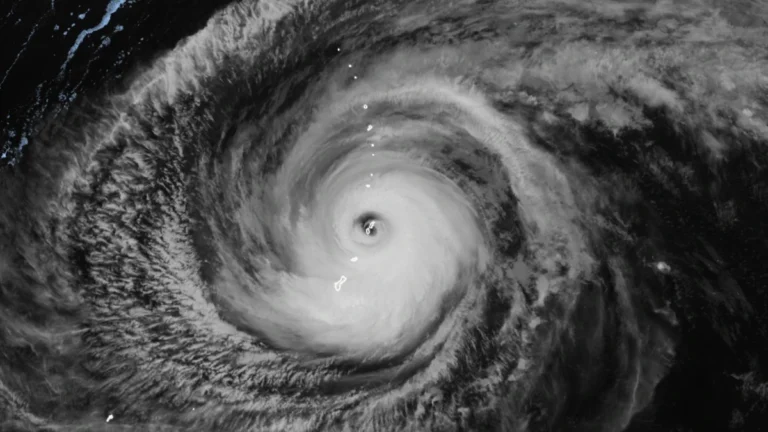
    Super Typhoon Sinlaku struck the Northern Mariana Islands late on April 14, 2026, bringing sustained winds near 241 km/h (150 mph) at peak impact and unusually slow movement that kept destructive conditions over populated islands for hours. The islands of Saipan and Tinian sustained widespread infrastructure damage, prolonged utility outages, blocked roads, and flooding, with officials warning that full restoration in some hard-hit areas could take days to weeks.
  • Large magma reservoir discovered deep beneath southern Tuscany

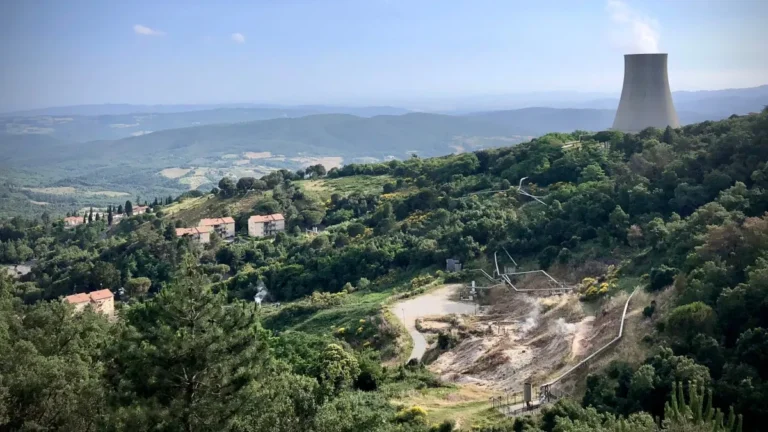
    Scientists have reported evidence of a vast deep magma reservoir beneath southern Tuscany after analyzing seismic data from more than 60 stations across the region. The study links the hidden melt system to the intense heat flow beneath Larderello geothermal system, one of Europe’s best-known high-enthalpy geothermal fields.

  • New meteoroid stream confirmed in southern Virginid region traces rocky body breaking down near the Sun

    A multinational analysis of more than 235 000 meteors has revealed a previously unconfirmed meteoroid stream in the southern Virginid region. The newly validated stream appears to originate from a rocky object on a Sun-skimming orbit, adding fresh evidence that thermally driven breakdown can supply dust and meteoroids to near-Earth space.

  • Floods and landslides leave 15 dead and damage over 28 000 homes in Ecuador

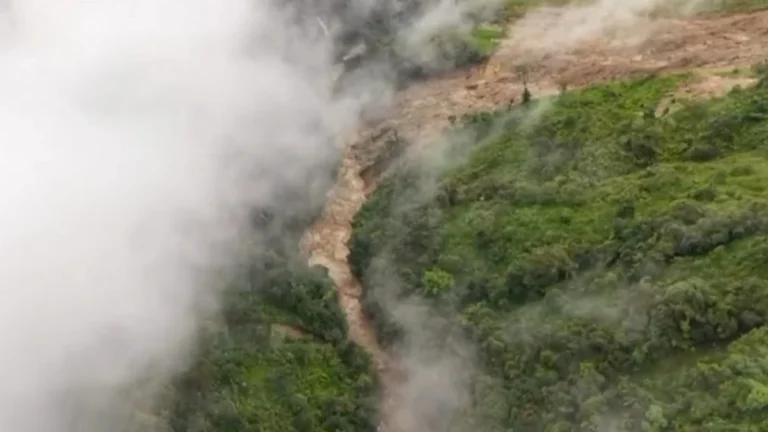
    Floods and landslides triggered by persistent heavy rainfall have left 15 people dead and affected 110 875 others across Ecuador as of April 15, 2026, according to Ecuador’s National Secretariat for Risk Management (SNGR). Authorities reported widespread housing and infrastructure damage in multiple provinces.

  • At least 45 killed as floods and landslides hit Luanda and Benguela, Angola

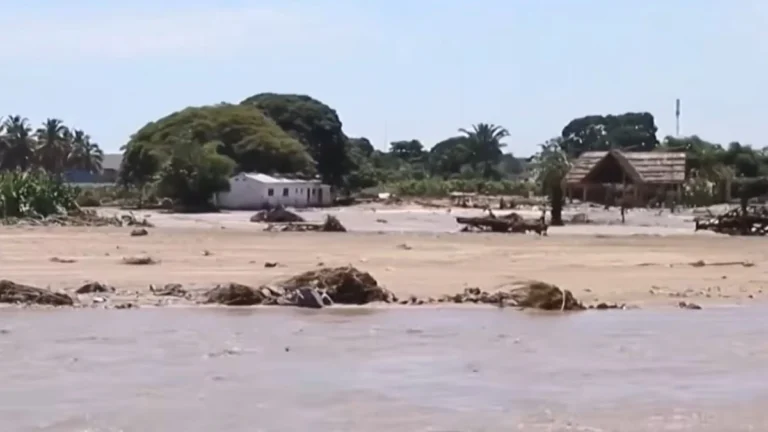
    Deadly floods and landslides triggered by heavy rain from April 4 to 6, 2026, hit western Angola, killing at least 45 people and affecting more than 51 000 across several provinces. The worst impacts were reported in Benguela and Luanda, where homes were destroyed, roads cut off, and critical infrastructure damaged.

  • Over 75 vehicles involved in I-70 pileup near Eisenhower Tunnel in Colorado

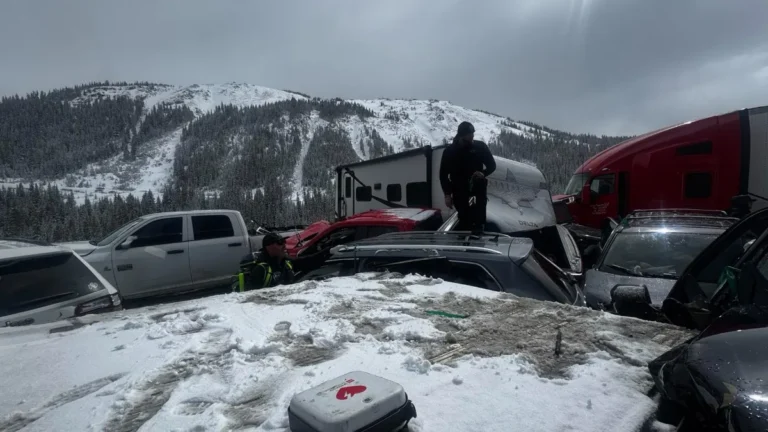
    A multi-vehicle pileup involving more than 75 vehicles occurred at about 14:50 LT on Tuesday, April 14, 2026, on the Highway 6 eastbound on-ramp to Interstate 70 near mile marker 216, just east of the Eisenhower–Johnson Memorial Tunnel in Clear Creek County, Colorado, during snowy and slick mountain driving conditions. Colorado State Patrol said 19 people were medically evaluated, eight were taken to hospitals, and one person sustained serious injuries. Eastbound I-70 remained closed for about five hours before reopening later that evening.

  • NWS confirms EF-2 tornado hit Ottawa, Kansas, injuring 3 on April 13

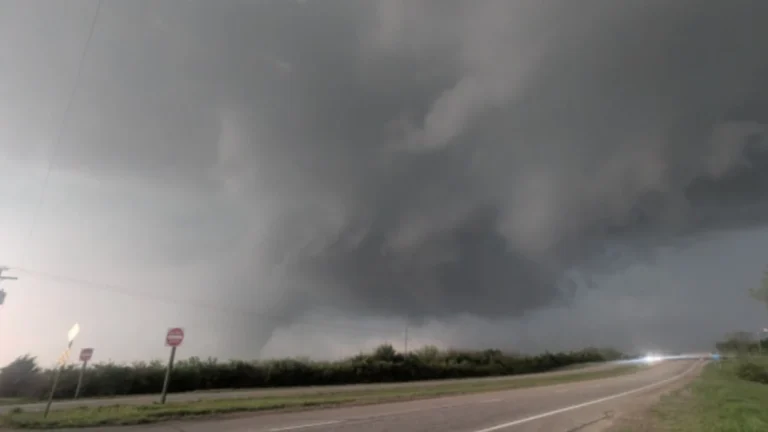
    An EF-2 tornado struck Ottawa in Franklin County, Kansas, between 19:23 and 19:48 CDT on April 13, 2026, damaging homes, businesses, and power infrastructure while injuring three people. The National Weather Service estimated peak winds of 201 km/h (125 mph), with a damage path of 11.75 km (7.3 miles) and a maximum width of 91 m (100 yards).

  • Cheboygan Dam nears overtopping as spring flooding worsens across northern Michigan

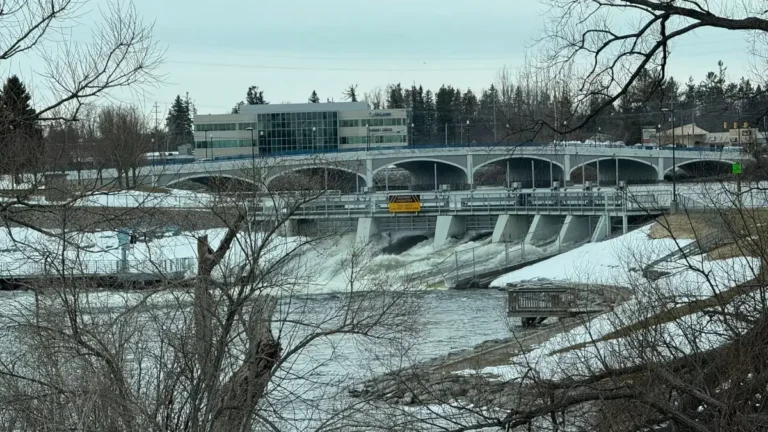
    Cheboygan Dam in northern Michigan rose to within 20 cm (8 inches) of overtopping by early April 14, 2026, despite emergency pumping, gate removals, and efforts to restore a shuttered hydroelectric station to increase discharge. The National Weather Service said Flood Watches remained in effect across much of northern Michigan and the Upper Peninsula as heavy rain, melting snow, and saturated ground continued to drive runoff into rivers, streams, and low-lying areas.