• A week of heavy flooding leaves 27 people dead in India and Pakistan

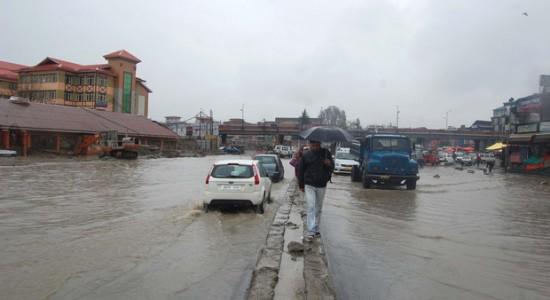
    Heavy rainfall has lashed several states across the northern and eastern India and Pakistan, in the last couple of days, causing floods and landslides. At least 19 people were reported dead by July 13, 2015, in northern India, and 8 in Pakistan.The River Kabul at Nowshe

  • An unusual outburst of cold weather hits northern Vietnam

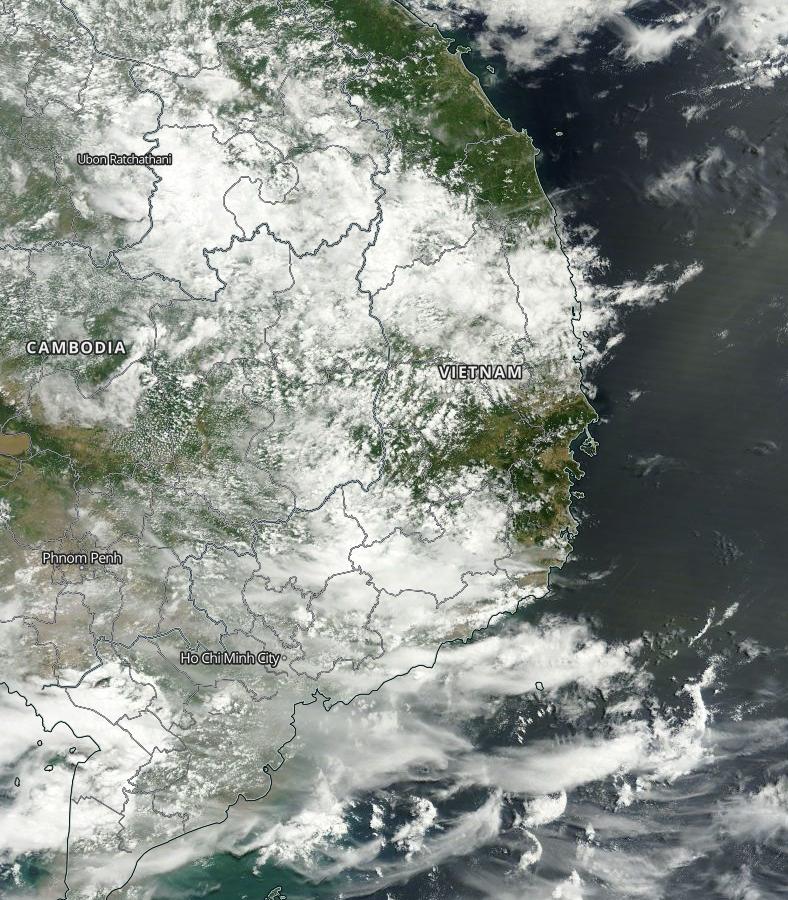
    Vietnam has been going through the hottest year in a decade, when an unusual grip of cold swept over the Sa Pa town on Monday morning, July 6, 2015.The sudden drop of temperatures, reaching 12.6°C (54.7°F), surprised both the locals and tourists in the province

  • Evidence of the electromagnetic Sun – Earth connection

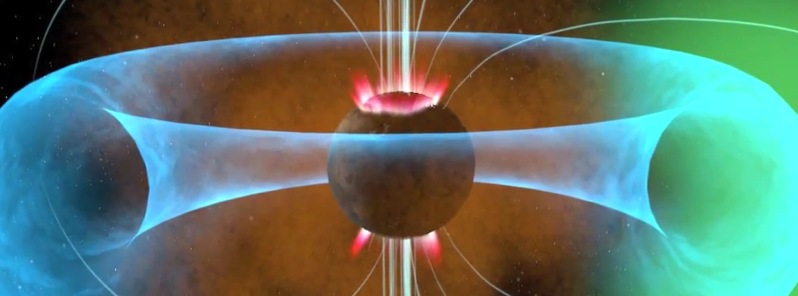
    At the recent Thunderbolts Project EU2015 Conference: Paths of Discovery, Dr. Donald Scott presented new groundbreaking evidence of the electromagnetic connection between the Earth and the Sun.The electric universe theory states that the Sun is in essence an electrical

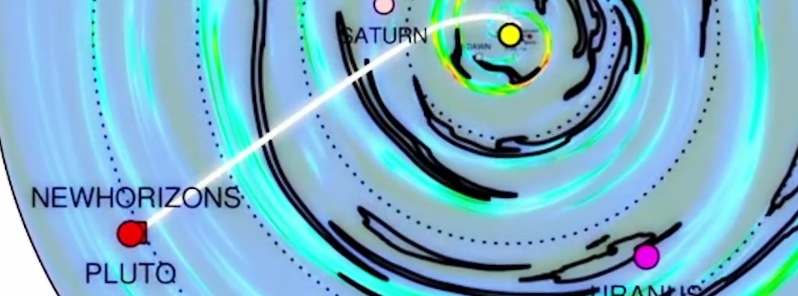
  • Tracking space weather for New Horizons

    A few months before New Horizons was due to reach Pluto, a community of scientists came together to determine just what kind of a environment the mission would experience during its historic flyby.While the simulations aren't 100% conclusive, this first ever attempt

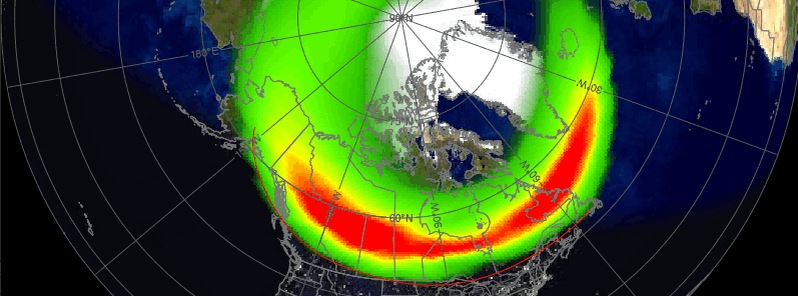
  • G1-Minor geomagnetic storm in progress

    A G1-Minor geomagnetic storm is in progress as a result of coronal hole high speed stream (CH HSS) buffeting Earth's magnetic field.Effects from the CH HSS are expected to continue disrupting the solar wind environment for the rest of the July 13.By July 14,

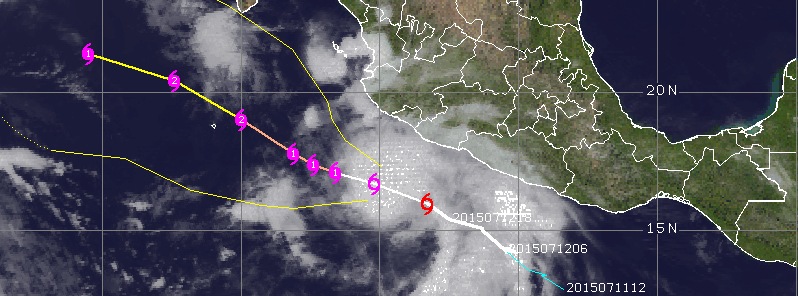
  • Tropical Storm “Dolores” forms south of Acapulco, Mexico

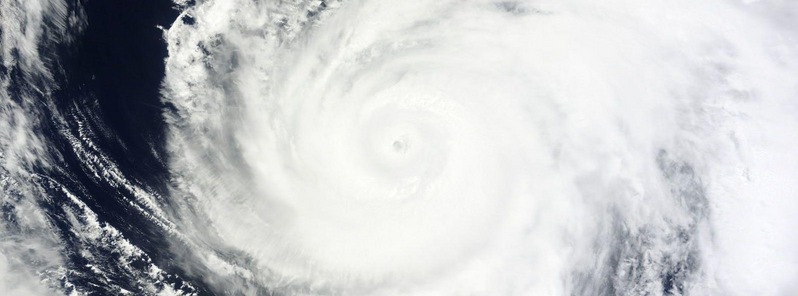
    A new tropical depression, FIVE-E, formed south of Mexico on Saturday, July 11, 2015 and strengthened into a tropical storm named Dolores on Sunday, July 12, 2015.As of 06:00 UTC on July 13, Dolores was located about 290 km (180 miles) south of Manzanillo, Mexico. Its m

  • Humanity rapidly depleting one third of Earth’s largest aquifers

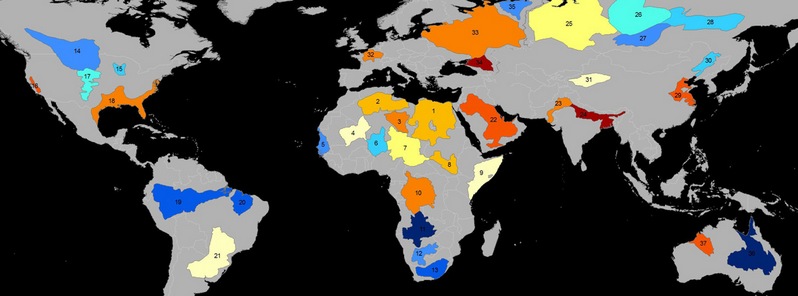
    In two new studies led by the University of California, Irvine (UCI), scientists mapped 37 of the world's largest underground basins using NASA's Gravity Recovery and Climate Experiment (GRACE) satellites and concludes that humanity is rapidly depleting one