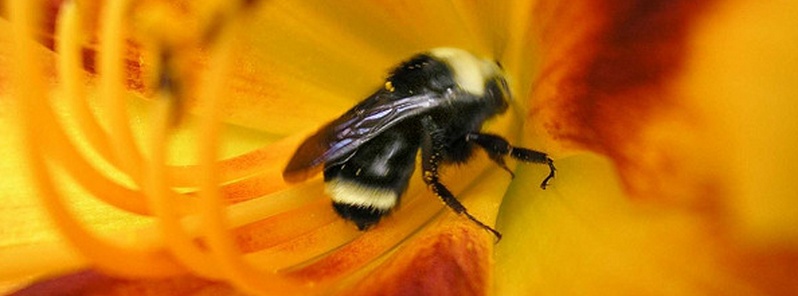
• New study reveals widespread risk of infectious diseases to wild bees

    Researchers have discovered a network of viruses, which were previously associated with managed honeybees, may now pose a widespread risk to bumblebees in the wild, according to a new study published today in the Journal of Animal Ecology.The study revealed multiple int

  • Amazon deforestation ‘threshold’ causes species loss to accelerate

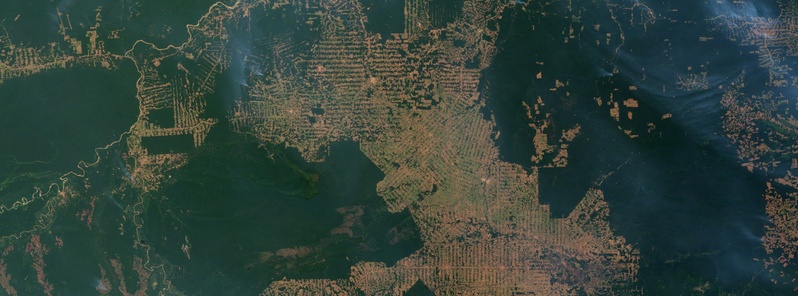
    One of the largest area studies of forest loss impacting biodiversity shows that a third of the Amazon is headed toward or has just past a threshold of forest cover below which species loss is faster and more damaging. Researchers call for conservation policy to switch

  • Why don’t comets melt in the Sun?

    Sungrazer comets that survive perihelion extremely close to the Sun is a longstanding puzzle for comet science. In reality, observations going back centuries reveals that a comet’s activity has little or nothing to do with solar warming.Comets sometimes flare or e

  • The end of volcanic eruption in Holuhraun (Bardarbunga), Iceland

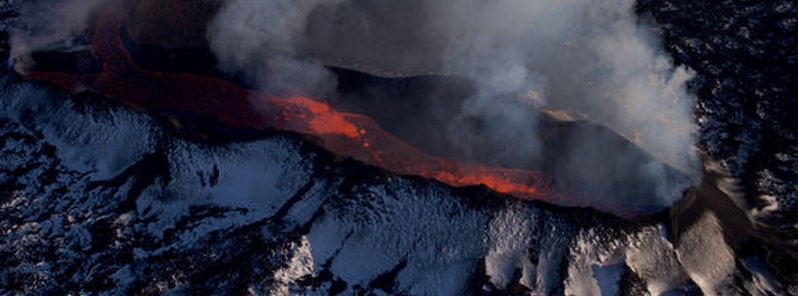
    The volcanic eruption in Holuhraun which began on August 31, 2014 came to an end on Friday, February 27, 2015, the Scientific Advisory Board of the Icelandic Civil Protection said on February 28 and confirmed today. The Aviation Color Code for Bardarbunga was downgraded

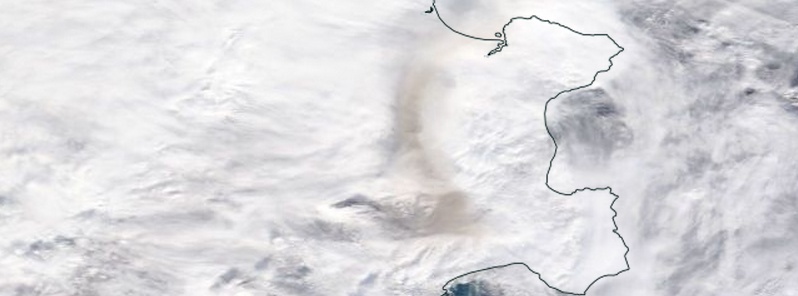
  • Strong eruption of Villarrica volcano, Chile

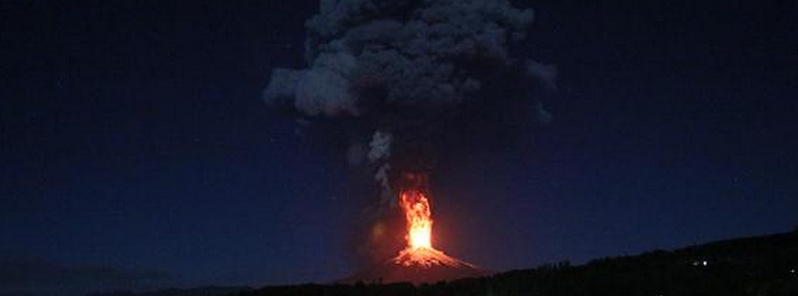
    After a significant increase in seismicity which started in February, Chile's Villarrica volcano violently erupted at 06:46 UTC (03:46 local time) on March 3, 2015 ejecting magma fragments up to 1 km above the crater. Ash column reached an altitude of about 3 km and

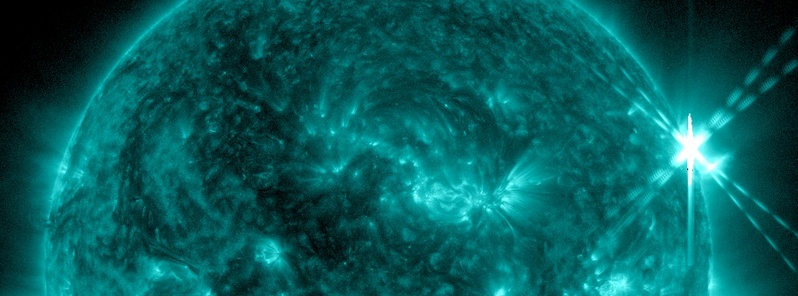
  • Impulsive M8.2 solar flare erupts off northwestern limb

    An impulsive solar flare measuring M8.2 (R2 – Moderate Radio blackout) at its peak time erupted from Region 2290 at 01:35 UTC on March 3, 2015. The event started at 01:25 and ended at 01:42 UTC.A Type II (estimated velocity 750 km/s) and IV radio emissions were as

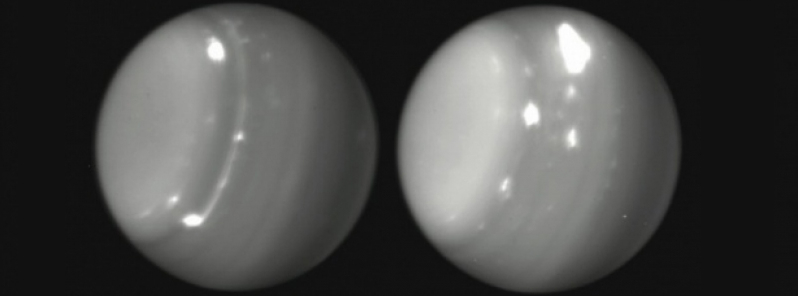
  • Giant methane storms on Uranus

    Most of the times we have looked at Uranus, it has seemed to be a relatively calm place. Well, yes its atmosphere is the coldest place in the solar system. But, when we picture the seventh planet in our solar system invariably the image of a calming blue hazy disc that