• Earth-directed coronal mass ejection expected

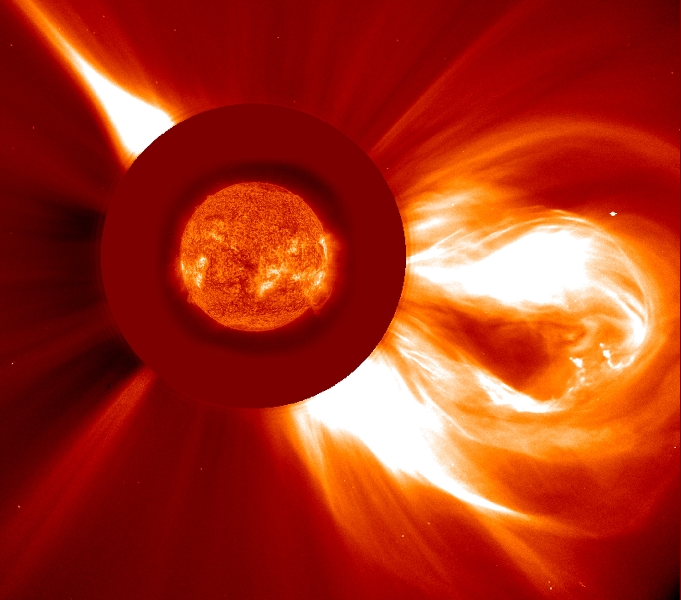
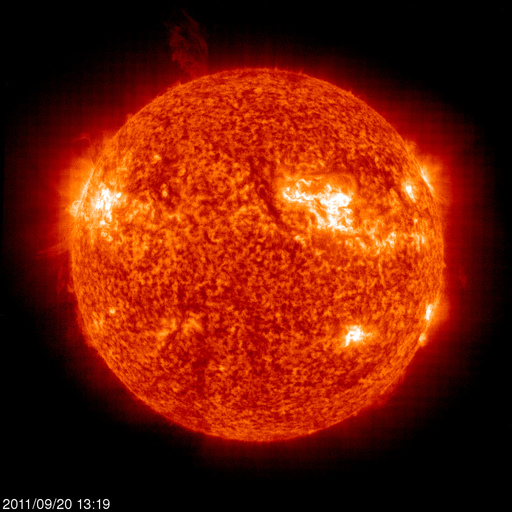
    A coronal mass ejection (CME) is heading toward Earth and it could deliver a glancing blow to our planet’s magnetic field on Sept. 22th around 23:00 UT. There are no large coronal holes on the Earth-facing side of the sun. High-latitude sky watchers should be alert for
  • Geomagnetic storm in progress

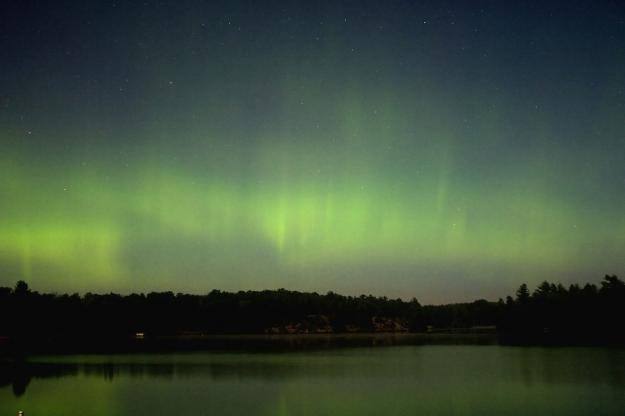
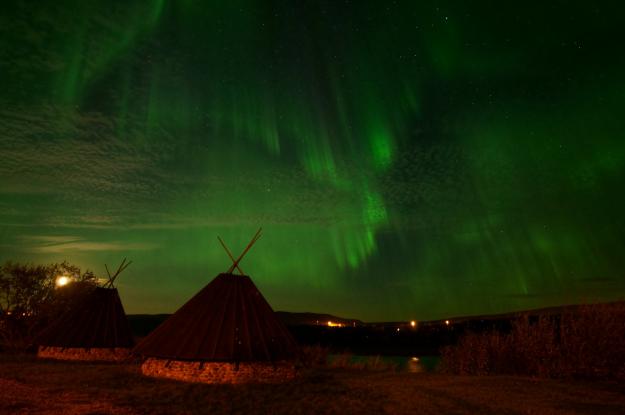
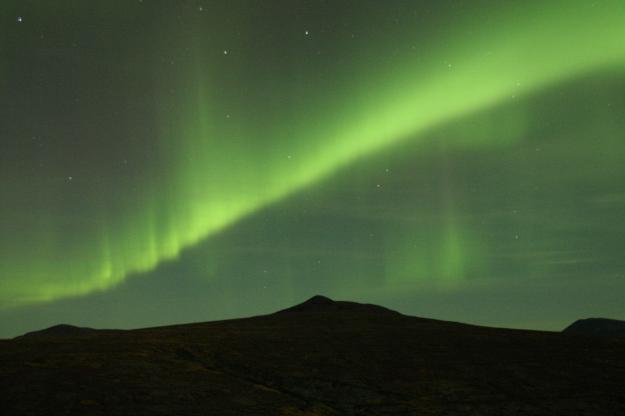
    As predicted by analysts at the Goddard Space Weather Lab, a coronal mass ejection (CME) hit Earth's magnetic field at ~03:30 UT on Sept 17th. The impact sparked a moderate geomagnetic storm (in progress) and auroras around the Arctic Circle. High-latitude sky watch

  • Incoming coronal mass ejection

    As predicted by analysts at the Goddard Space Weather Lab, a coronal mass ejection (CME) hit Earth’s magnetic field at ~03:30 UT on Sept 17th. The impact was not strong. Nevertheless, the arrival of the CME could spark geomagnetic activity around the Arctic Circle.

  • Geomagnetic storm continues

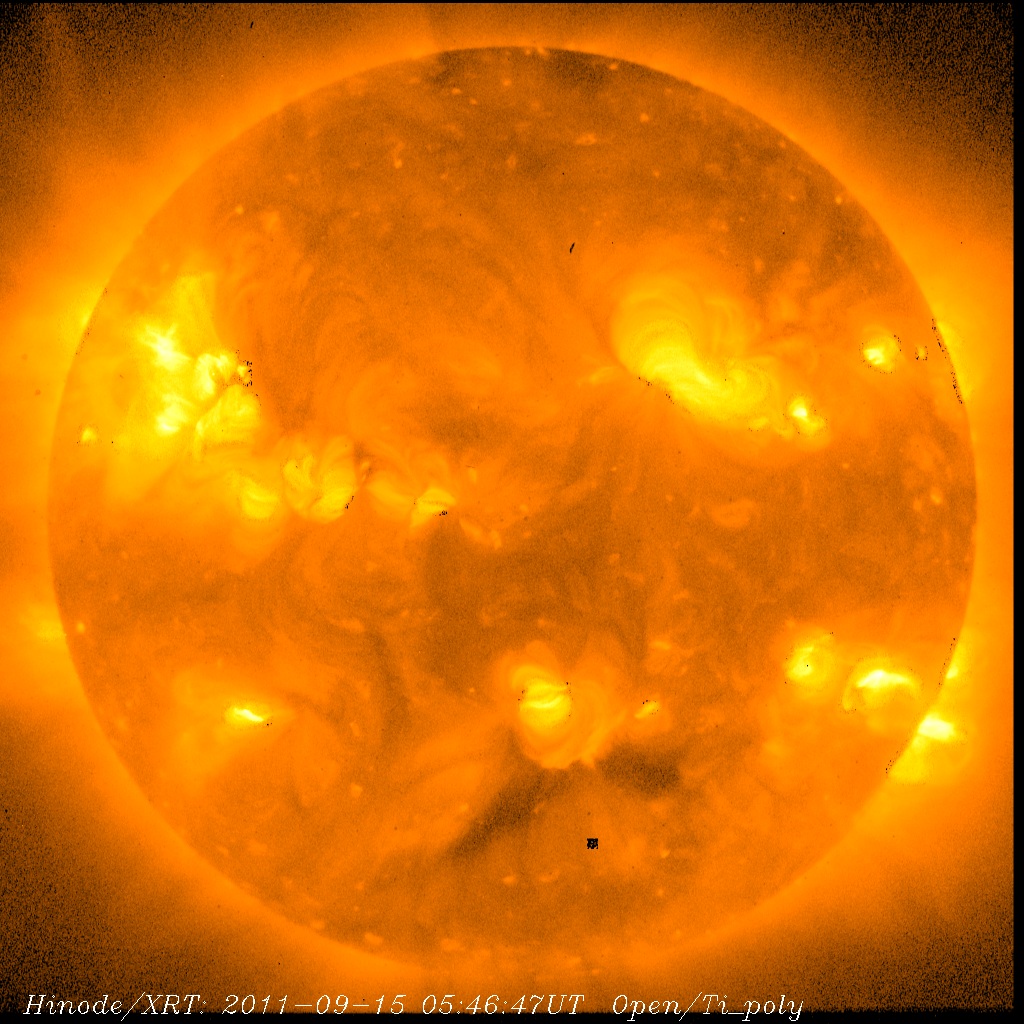
    New sunspot AR1295 is emerging over the sun’s northeastern limb and crackling with solar flares. The strongest so far, a C9.9-category blast, did something remarkable. Click on the arrow to watch an extreme ultraviolet movie from NASA’s Solar Dynamics

  • Geomagnetic storm in progress

    UPDATE: The Geomagnetic Storm has subsided over the past few hours. However, the solar wind remains energized and occasional pulses of activity are expected for another 24 hours. Region 1283, the responsible party back at the Sun, decayed today. The Geomagnetic Storm

  • Sunspots 1271 and 1272 are growing again

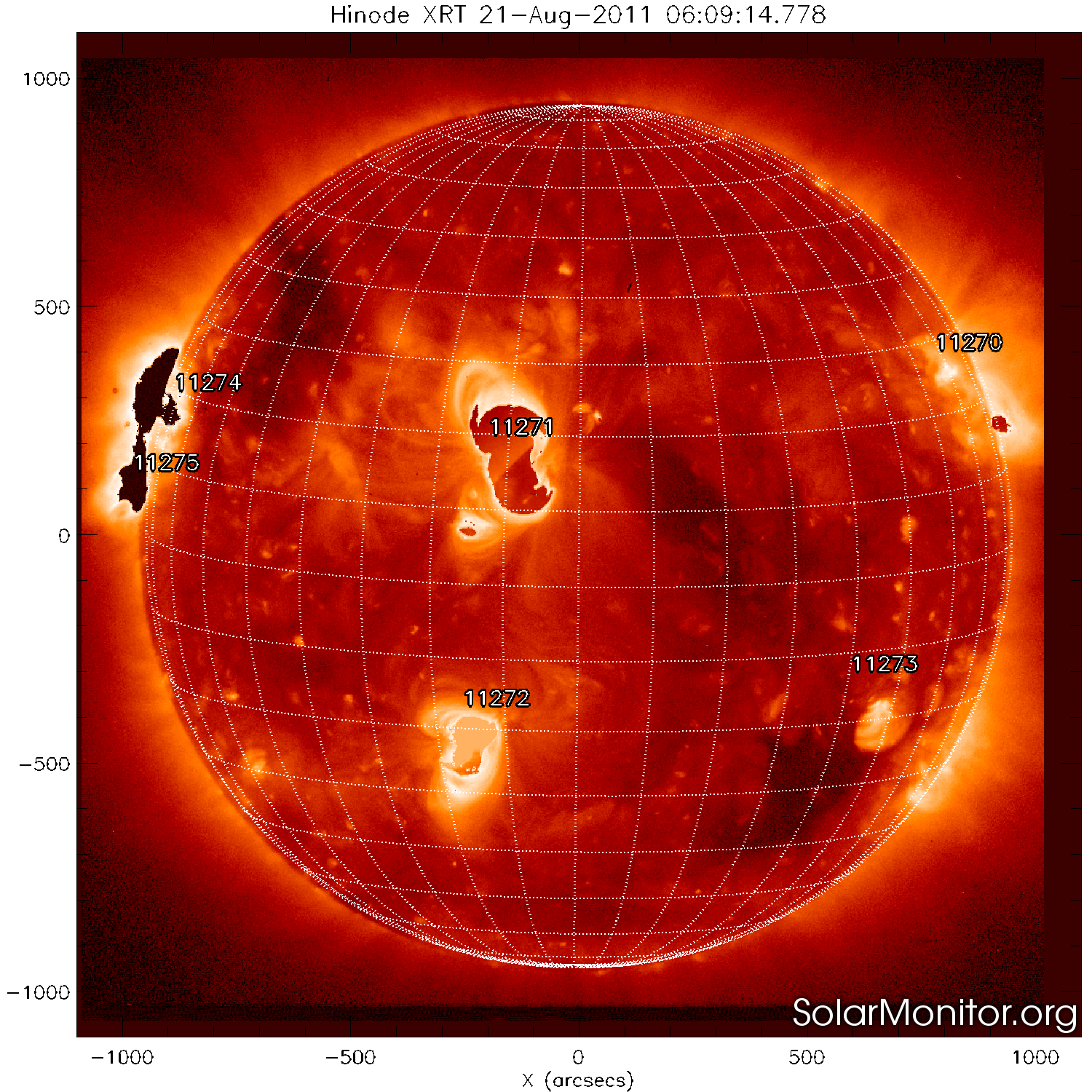
    After a weekend of quiet decay, sunspots 1271 and 1272 are growing again. Click on the image to view 24 hours of development:The increase in size has not yet translated into a significant increase in flares. Solar activity remains low, although this could change if

  • Spacecraft sees solar storm engulf Earth

    For the first time, a spacecraft far from Earth has turned and watched a solar storm engulf our planet. The movie, released today during a NASA press conference, has galvanized solar physicists, who say it could lead to important advances in space weather forecasting.

  • New sunspots forming, Venus-directed CME

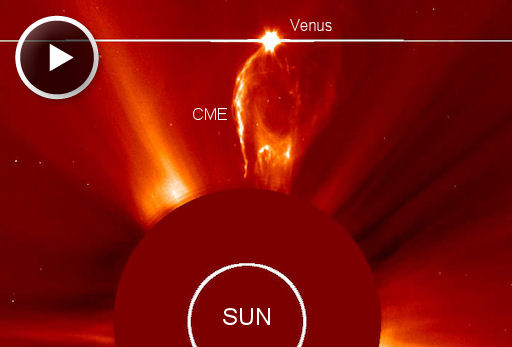
    Yesterday, the Solar and Heliospheric Observatory witnessed a spectacular explosion on the sun that seemed to pass perilously close to Venus.As the movie shows, the CME passed harmlessly. There was no collision, and it wasn’t even close. Although Venus seems to be

  • X 6.9 solar flare took place – partialy Earth-directed!!!

    The largest solar flare of Cycle 24 just took place at 08:05 UTC and it registered a whopping X6.9. The source was Sunspot 1263 which is nearing the Western Limb. Because of its location, any large explosions may not be fully earth directed. When watching new video

  • Another M-class solar flare

    A second M-Class flare, this time a M2.5 took place at 03:54 UTC Tuesday morning around Sunspot 1263. This is in addition to the earlier M3.5 flare which we reported yesterday. The first flare produced a small, but fast moving (2010 km/s) Coronal Mass Ejection…