• Smokehouse Creek Fire becomes largest wildfire in Texas history and second-largest in U.S.

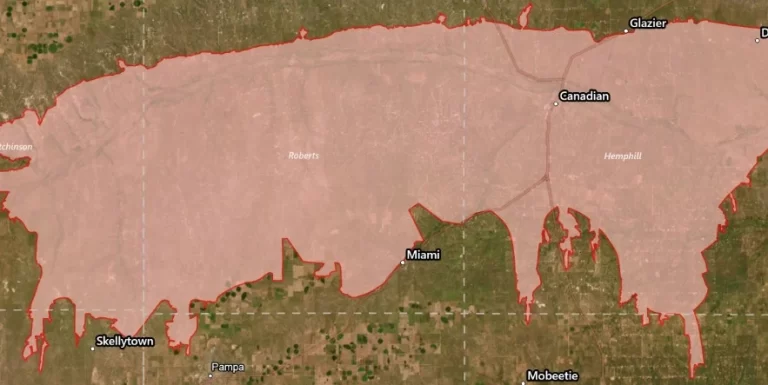
    On Thursday, February 29, 2024, the Smokehouse Creek Fire expanded beyond 404 686 ha (1 million acres) in Texas, marking it as the largest wildfire in the state’s history. The blaze, which also extended into Oklahoma, has claimed the lives of at least two individuals and continues to pose a significant threat to homes, cattle, and livelihoods in the Texas Panhandle.

  • Smokehouse Creek Fire rapidly grows to second-largest wildfire in history of Texas

    The Smokehouse Creek Fire started on Monday, February 26, 2024, in Hutchinson County, Texas, amidst adverse weather conditions, and has rapidly grown over the next 2 days to the second-largest wildfire in the state’s history. Texas Governor Greg Abbott has declared a disaster in 60 counties in response to the wildfire, which has only been 3% contained.

  • Indonesia’s strongest tornado on record

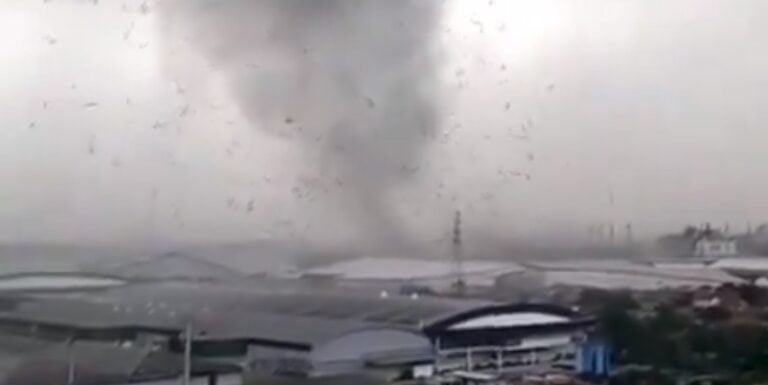
    Last week, Indonesia experienced its strongest tornado on record, injuring at least 33 people and causing extensive damage to hundreds of buildings in the West Java province, according to government officials.

  • Extreme cold event in BC causes near-total crop failure, Canada

    The British Columbia wine industry is bracing for unprecedented crop losses due to an extreme cold event in January 2024, with preliminary estimates forecasting a production decrease of 97 – 99%, resulting in industry-wide revenue losses between $440 – 445 million.

  • Finland records coldest January temperature since 2006

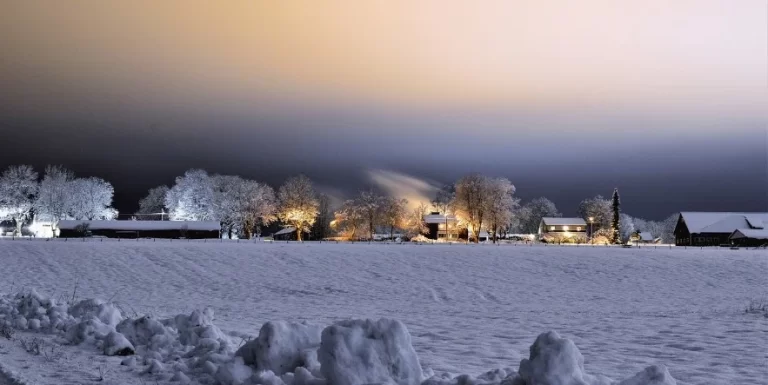
    Finland experienced its coldest January temperature since 2006 when Enontekiö Airport registered -42.4 °C (-44.3 °F) on January 4, 2024. The severe cold is not isolated to Finland, as nearby regions in Sweden and Norway have also reported record-low temperatures, indicating a widespread Arctic chill across the Nordic countries.

  • Sweden records lowest January temperature since 1999

    A severe cold snap has gripped the Nordic region, with Sweden experiencing its coldest January night in 25 years. This extreme weather has caused widespread disruption across Scandinavia, closing schools and halting transport, while Storm Henk brought heavy rain and strong winds to Western Europe, leading to one fatality and widespread damage.

  • Arctic’s 40-year record low temperatures spawn rare clouds

    NASA’s MERRA-2 climate model reveals that the Arctic stratosphere has reached a 40-year record low for December, creating a sudden appearance of polar stratospheric clouds (PSCs) far beyond their usual Arctic confines.