Unusual earthquakes at Katla volcano, Iceland
Two earthquakes with magnitudes above M3 were detected in Mýrdalsjökull glacier on October 16, sparking discussions about a possible eruption of Katla volcano.


Two earthquakes with magnitudes above M3 were detected in Mýrdalsjökull glacier on October 16, sparking discussions about a possible eruption of Katla volcano.

A new glacial flood started at Grímsvötn, a subglacial volcano under Vatnajökull, Iceland, on October 10, 2022, prompting authorities to raise the Aviation Color Code to Yellow and announce the State of Uncertainty.

More than 6 400 earthquakes have been detected in the Tjörnes Fracture Zone, northern Iceland since the start of September. The last eruption in this area took place in 1867/68.
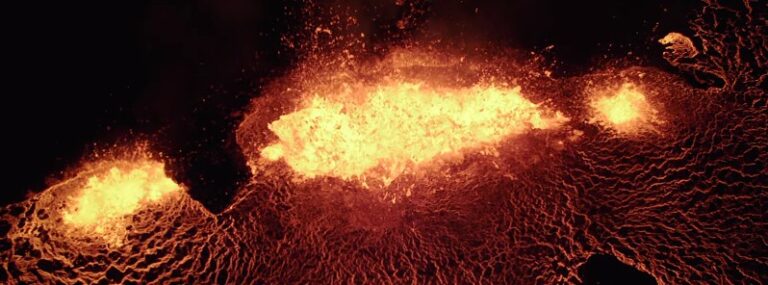
The mbl.is crew visited the new eruption site at Meradalir, Iceland, and caught this amazing night time footage from the eruption site.
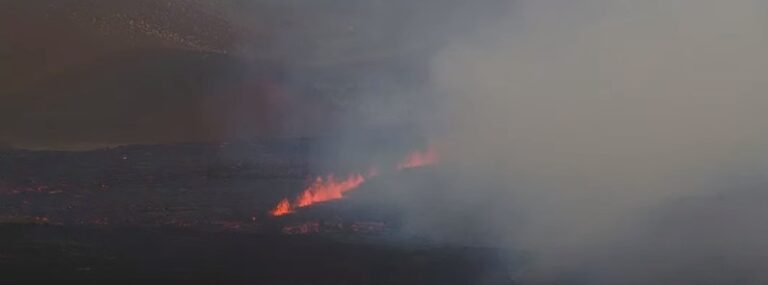
A new eruption has started near Fagradalsfjall volcano in the Krýsuvík-Trölladyngja volcanic system, Reykjanes Peninsula around 13:40 UTC on August 3, 2022.
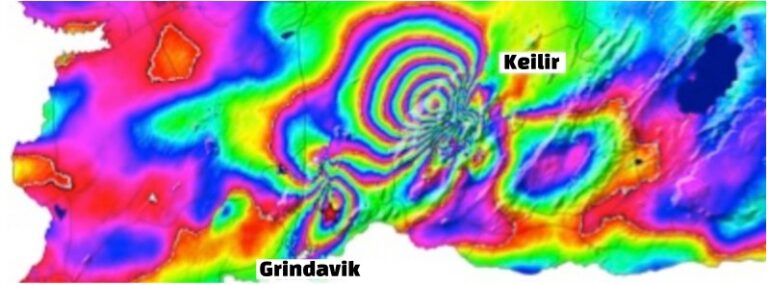
An intense earthquake swarm that started in the Krýsuvík-Trölladyngja volcanic system on July 30 continues and, according to the latest analysis by the Icelandic Meteorological Office (IMO), the chances of eruption in the area around Fagradalsfjall in the coming days or weeks have increased and are considered significant.

Increased seismicity was detected under Grímsvötn volcano in SW Iceland on August 2, 2022, forcing the Icelandic Meteorological Office (IMO) to raise the Aviation Color Code for the volcano to Yellow. This is now the third volcano in Iceland with Yellow Aviation Color Code in effect – after Askja and Krysuvik. The last eruption of this volcano took place in 2011.

More than 5 500 earthquakes have been registered east and west of Fagradalsfjall volcano, Reykjanes Peninsula, Iceland since around 09:00 UTC on July 30, 2022. The Aviation Color Code remains at Yellow.

A powerful earthquake swarm started at Krísuvík volcano, just northeast of Fagradalsfjall and a short distance north of Fagradalshraun lava field, on July 30, 2022, at a depth of about 5 to 7 km (3 – 4 miles). As a result, the Icelandic Meteorological Office (IMO) raised the Aviation Color Code for the volcano to Yellow. The last eruption at this volcano took place in 2021.
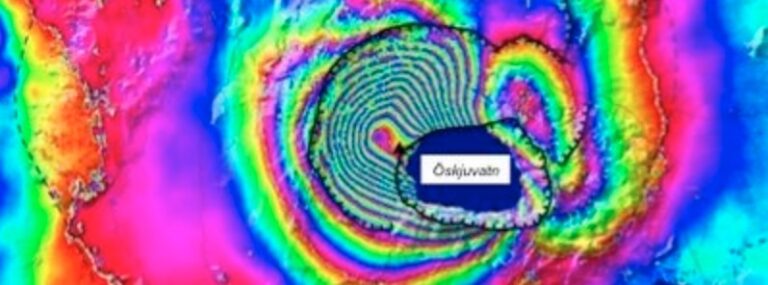
Scientists from the Institute of Geosciences, the Icelandic Met Office (IMO) and representatives of Iceland’s civil protection met on July 25, 2022, to discuss land changes and earthquakes at Askja volcano observed over the past few months.
