• Proposed missions that could deflect asteroids and space rocks

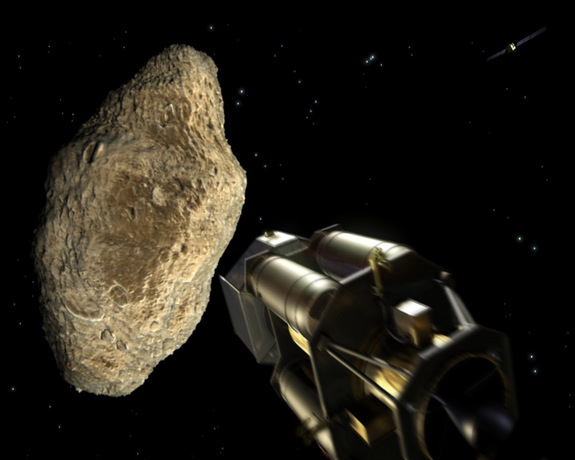
    While scientists keep a close watch on the myriad space rocks near Earth, they don’t yet have a solid plan on what to do if one appears headed on a collision course toward our planet.Two new studies propose potential spacecraft missions that would collide with

  • NASA tests communication scenarios for Near-Earth Asteroids

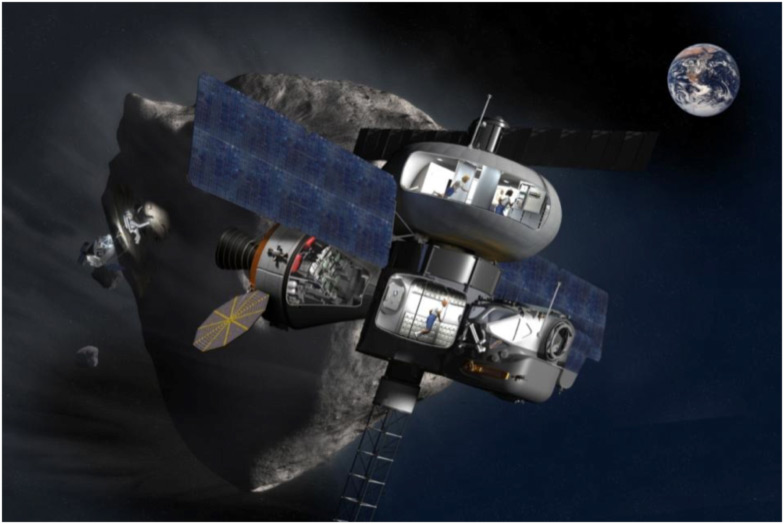
    NASA’s Desert Research and Technology Studies (RATS) team has commenced testing communication scenarios for near-Earth asteroids. The RATS team also evaluates technology, human-robotic systems and extravehicular equipment in the high desert near Flagstaff,…

  • Several sunspots have popped up around the visible solar disk

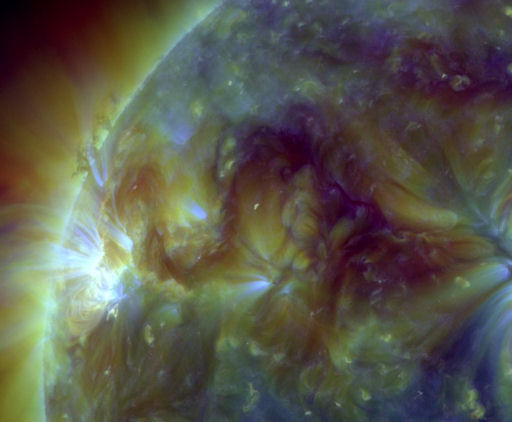
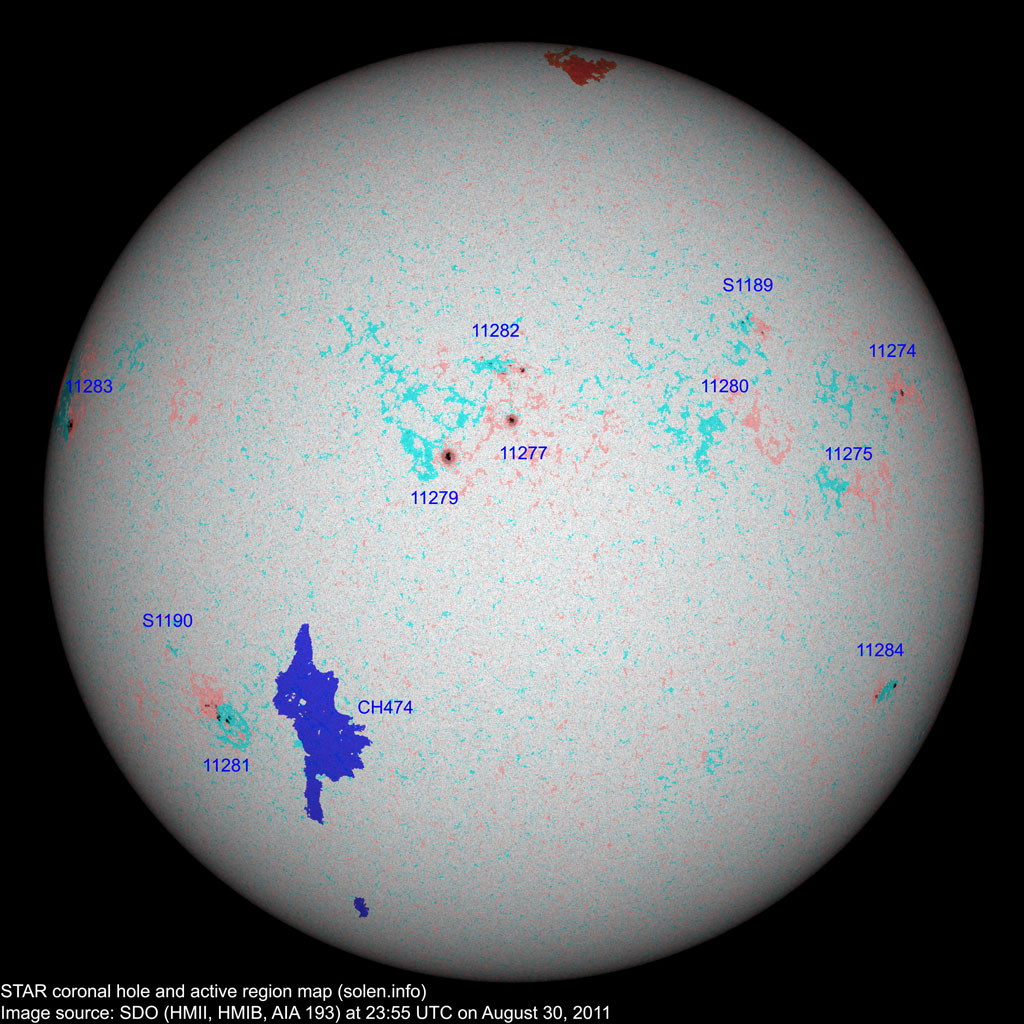
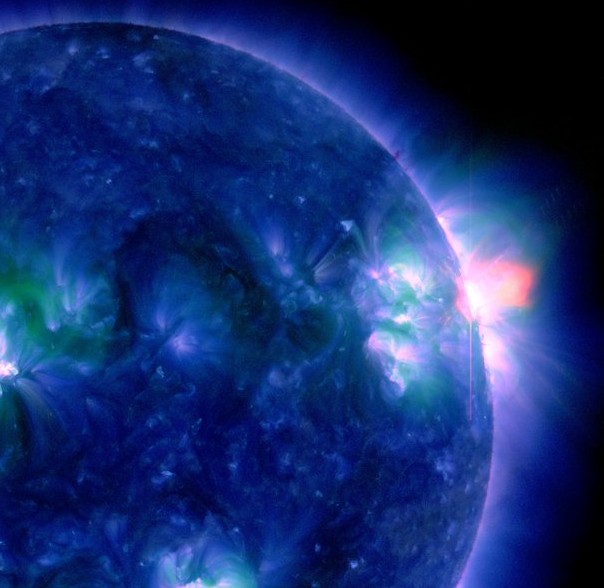
    Sunspots are emerging at several locations around the solar disk, peppering the Earth-side of the sun with active regions. Of particular interest is fast-growing sunspot 1282, shown here in an August 31st snapshot from NASA’s Solar Dynamics Observatory:AR1282 has

  • Comet Elenin self-destructs?

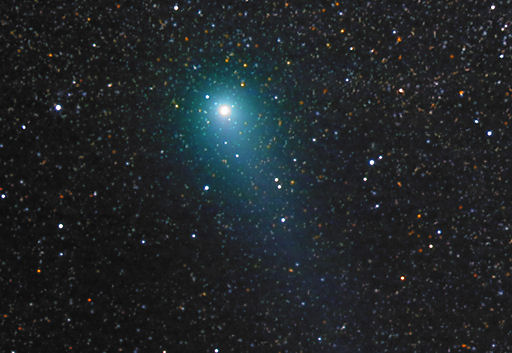
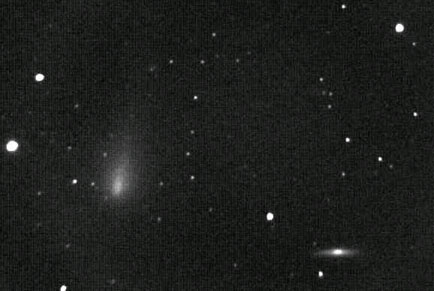
    Whenever astronomers discover a comet headed inbound toward a close encounter the Sun, there's always buzz among observers about how bright it might get. That was certainly the case last December, when Comet Elenin (C/2010 X1) made its debut. Many hoped

  • A bright meteor lit up the night sky above Atlanta

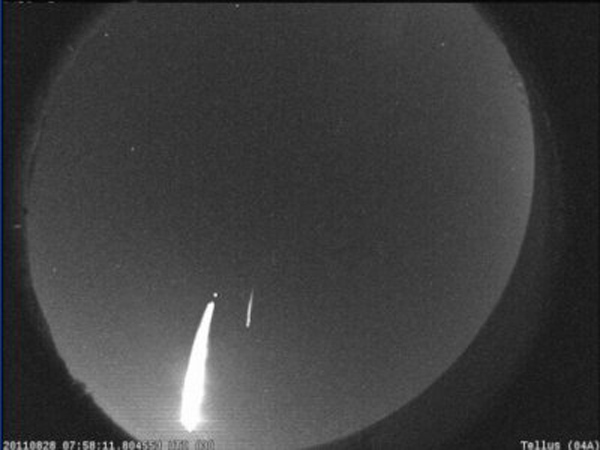
    A bright meteor lit up the night sky above Atlanta on Sunday, August 28, 2011, in a dazzling display caught by NASA cameras. The meteor streaked over Atlanta, Ga., and its surrounding cities at the mind-blowing speed of about 52,800 mph (84,970 kph). NASA's…

  • Expected impact of an incoming solar wind stream

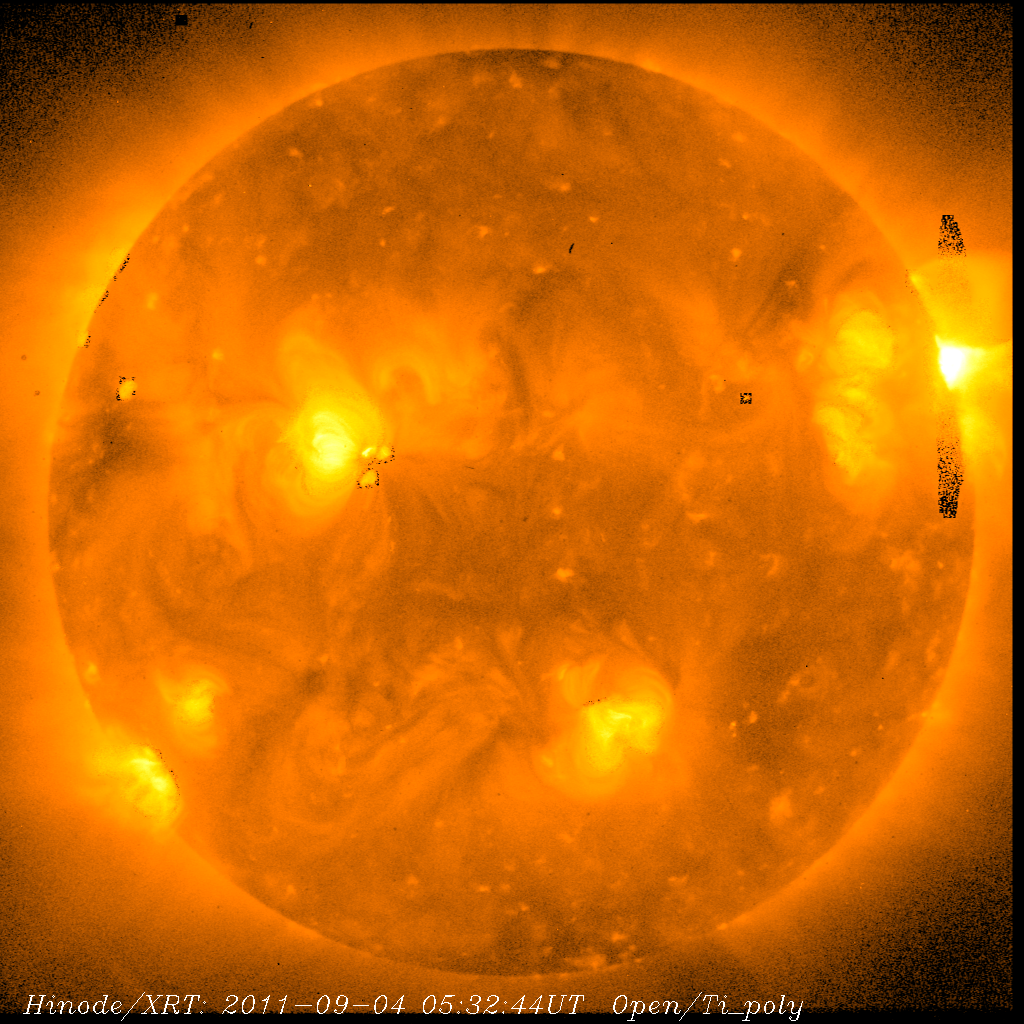
    NOAA forecasters estimate a 25% chance of polar geomagnetic activity today in response to the expected impact of an incoming solar wind stream. Solar activity is at very low levels and there is currently no chance for strong solar flares on the earth facing side of…

  • A solar wind stream hit Earth’s magnetic field

    A solar wind stream hit Earth's magnetic field during the early hours of August 24th, sparking geomagnetic activity around the Arctic Circle. "Bright, fast-moving auroras lit up the sky just after midnight," reports Sean M. Scully, who sends this picture f