• Hubble will use Moon as the mirror to watch Venus transit

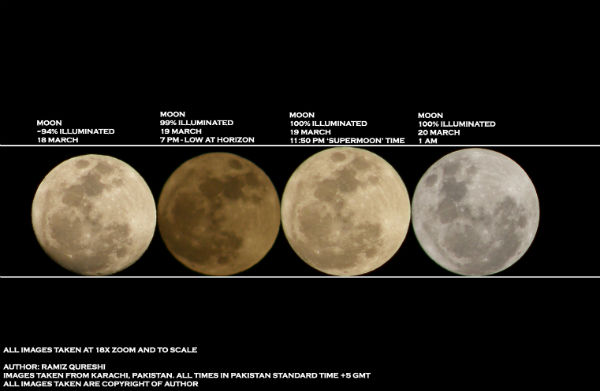
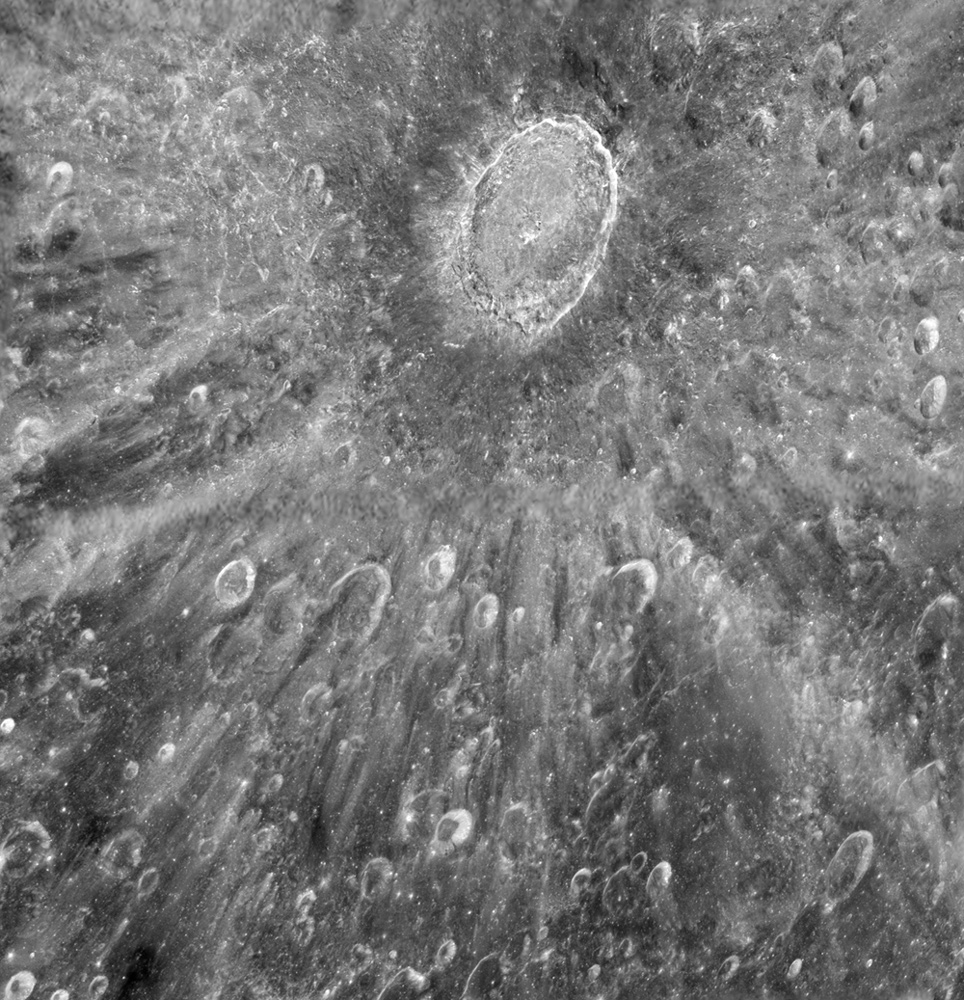
    Scientists plan to use the moon as a mirror to watch this year’s June 5-6 transit of Venus with the Hubble Space Telescope. That’s because Hubble can’t look at the sun directly – the bright light could damage the telescope’s super-sensitive instruments.This
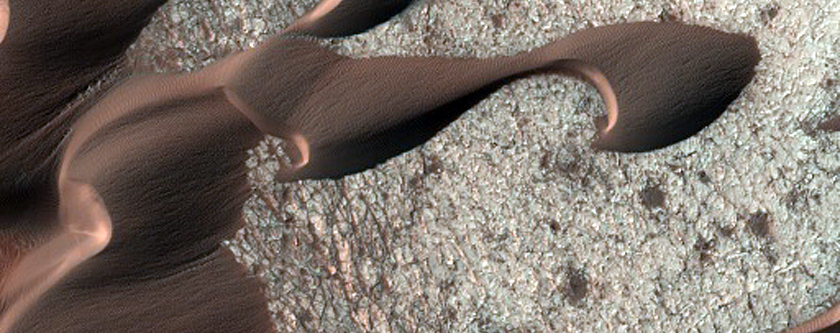
  • Mars Reconnaissance Orbiter detects changes in Martian sand dunes

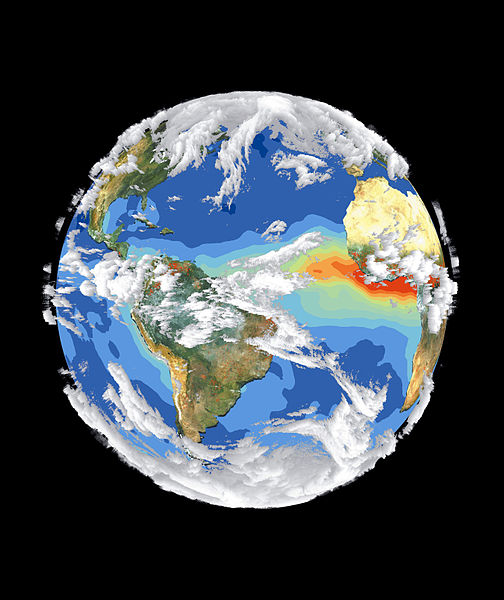
    NASA’s Mars Reconnaissance Orbiter has revealed that movement in sand dune fields on the Red Planet occurs on a surprisingly large scale, about the same as in dune fields on Earth.This is unexpected because Mars has a much thinner atmosphere than Earth, is only about

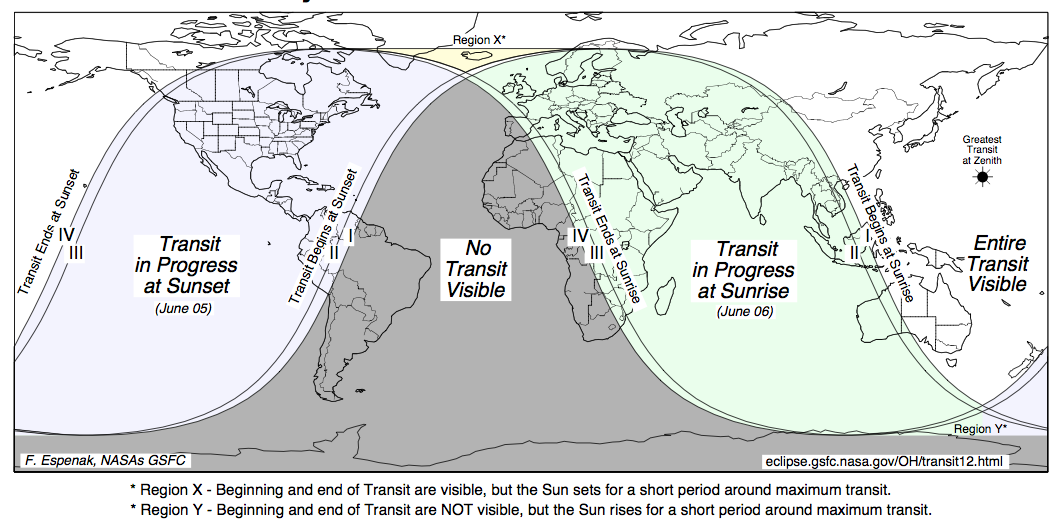
  • Venus transit of 2012 will not be seen again until 2117

    A transit of Venus is the observed passage of the planet across the disk of the Sun. The planet Venus, orbiting the Sun “on the inside track,” catches up to and passes the slower Earth.  Venus, appearing as a small dot in the foreground, will move from left to

  • Return of ISS Expedition 30 Crew

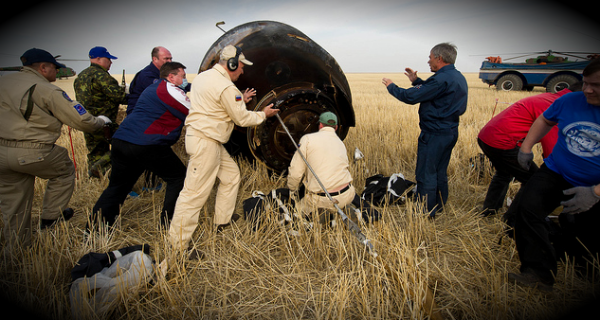
    The Soyuz TMA-22 spacecraft carrying Commander Dan Burbank and Flight Engineers Anton Shkaplerov and Anatoly Ivanishin landed in Kazakhstan on Friday, April 27 at 11:45 UTC (7:45 a.m. EDT). They undocked earlier from the International Space Station at 8:18 UTC (4:18

  • Envisat view of Earth pt.1 (Video)

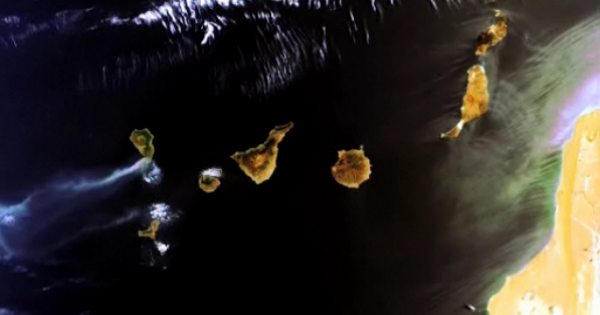
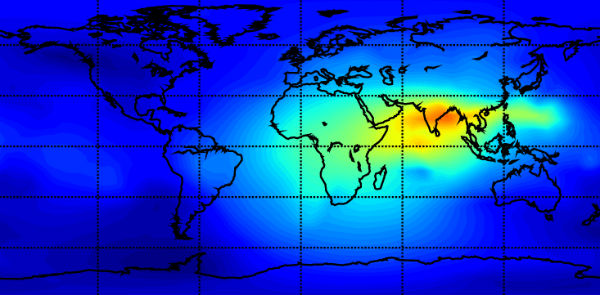
    Recently lost ENVISAT still shows no signs of “life”. While satellite observing community wait for some news lets take a look at breathtaking imagery of land and oceans by Envisat’s optical and radar instruments. The satellite is orbiting 497 miles above the

  • Fragments of the April’s daylight fireball found in California

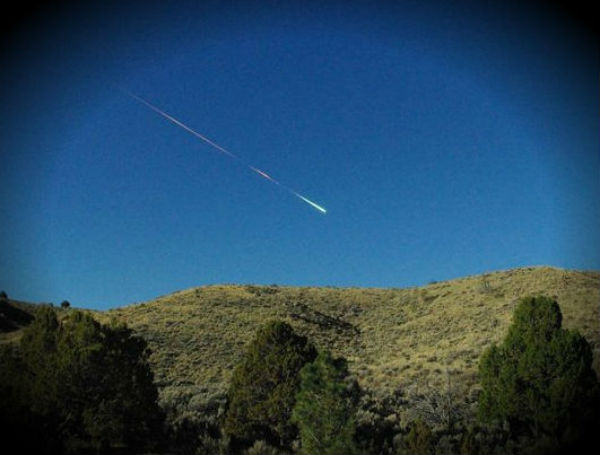
    The large fireball illuminated the sky over the Sierra Nevada mountains and created sonic booms that were heard over a wide area on Sunday, April 22, 2012. Peter Jenniskens, an expert in meteors and meteorites, has been successful in locating fragments from the huge

  • A mild (Kp=5) geomagnetic storm is underway

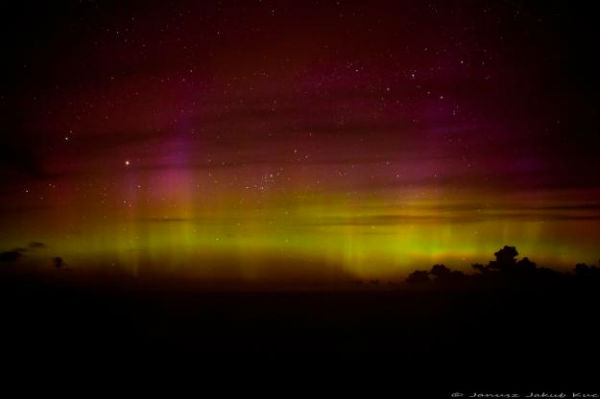
    This is the third day in a row that geomagnetic storms have circled the poles. A mild (Kp=5) geomagnetic storm is underway. It looks like it subsiding now. High-latitude sky watchers should be alert for auroras. The source of this activity is a high-speed solar wind