• Asteroid 2012 KT42 buzzes Earth

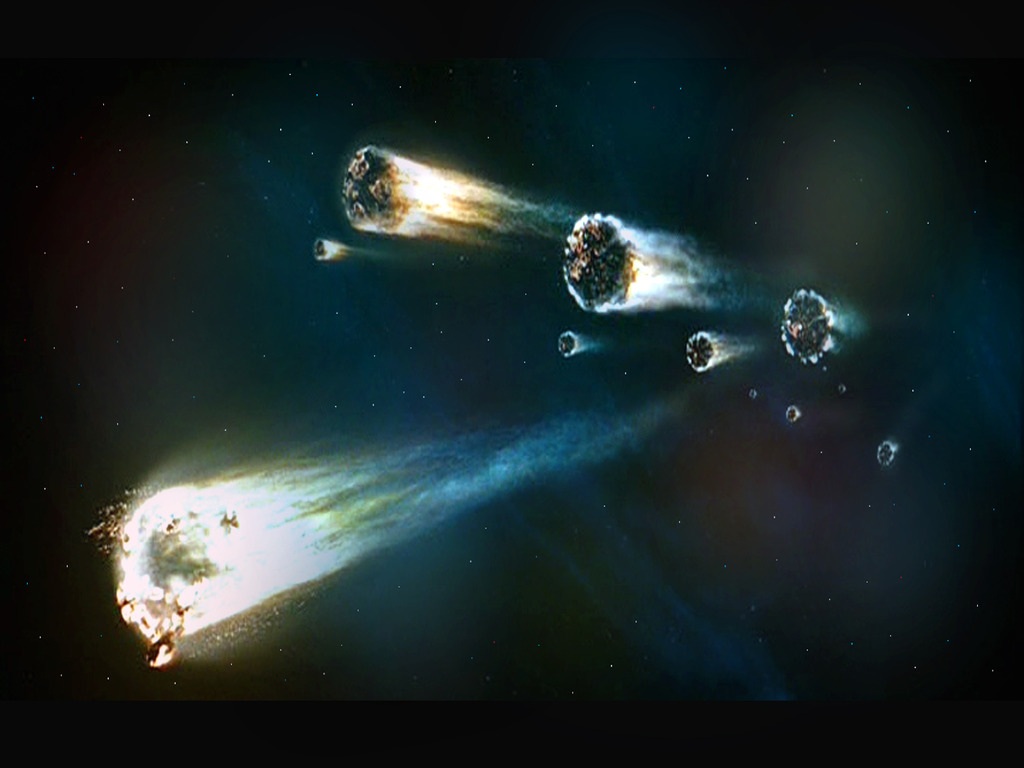
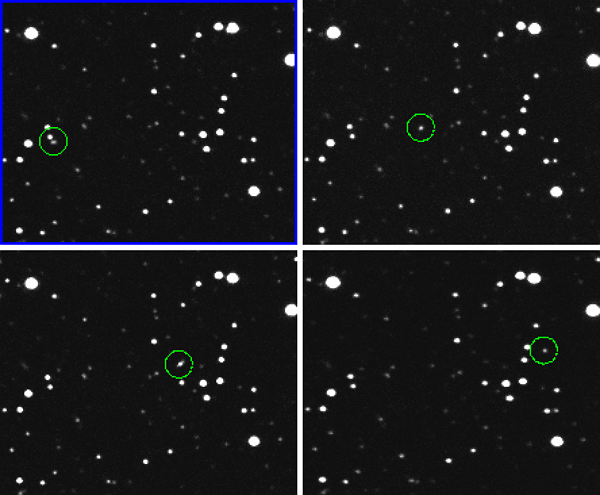
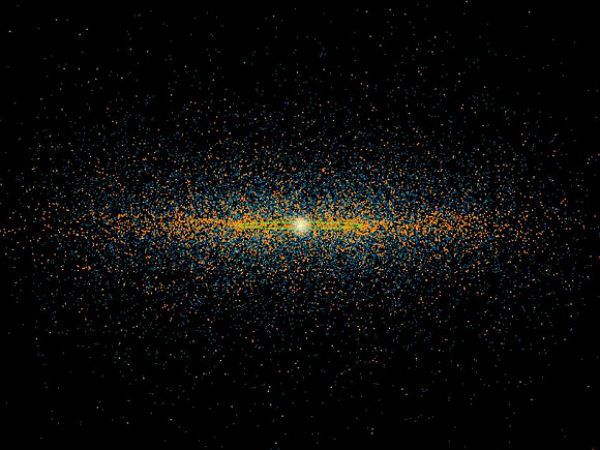
    The newly-discovered 3-10 meter wide asteroid is flying past Earth today (May 29th) only ~14,000 km (8,700 miles) or about 0.05 lunar distance (0.0001379 AU) above Earth’s surface. Asteroid 2012 KT42 will actually fly inside the Clark Belt of geosynchronous

  • Annular solar eclipse today

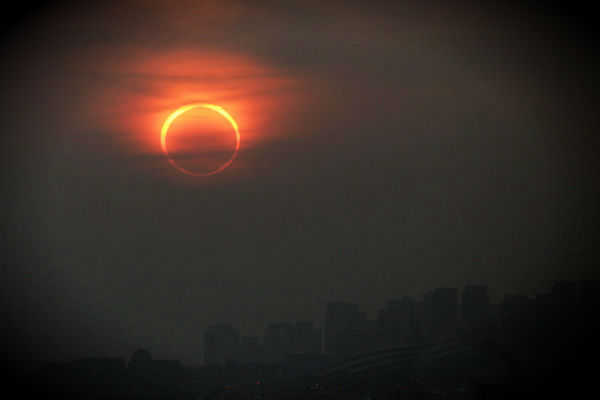
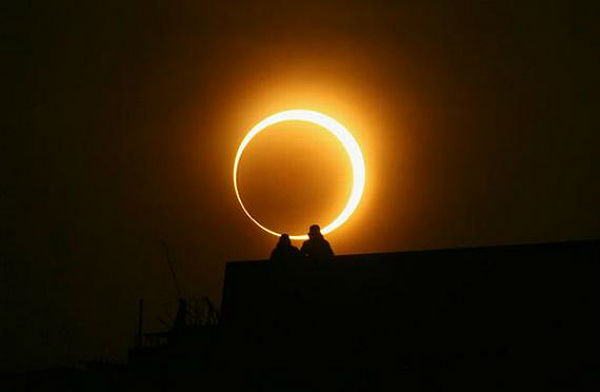
    An annular solar eclipse will be visible from a 240 to 300 kilometre-wide track that traverses eastern Asia, the northern Pacific Ocean and the western United States. A partial eclipse is seen within the much broader path of the Moon’s penumbral shadow, that includes

  • Annual solar eclipse on May 20

    A solar eclipse occurs when the moon gets between Earth and the sun, and the moon casts a shadow over Earth. A solar eclipse can only take place at the phase of new moon, when the moon passes directly between the sun and the Earth and its shadows fall upon the

  • SOHO fully operational again on May 11, 2012

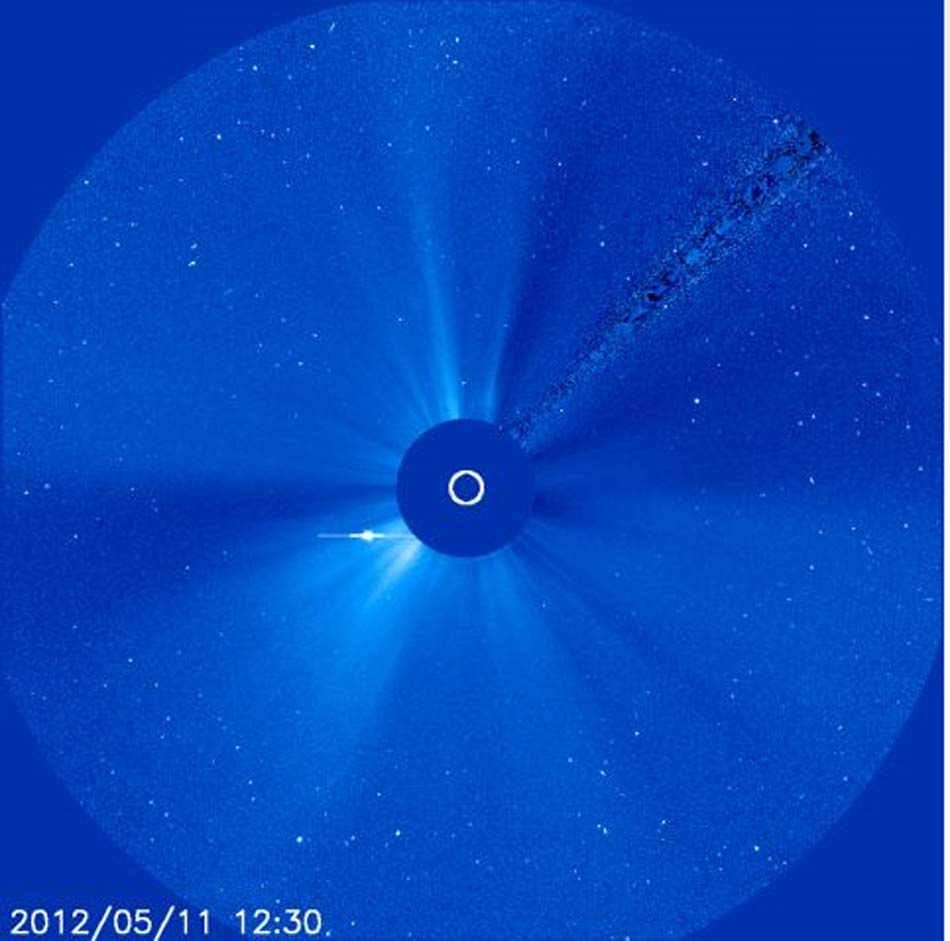
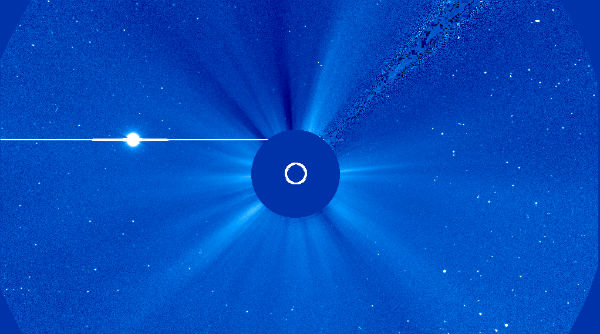
    SOHO is back up and running after what officials call “a technical glitch” temporarily sidelined the observatory for just over a week.The Solar and Heliospheric Observatory (SOHO), which is jointly managed by NASA and the European Space Agency continued sending

  • The end of the Envisat mission declared

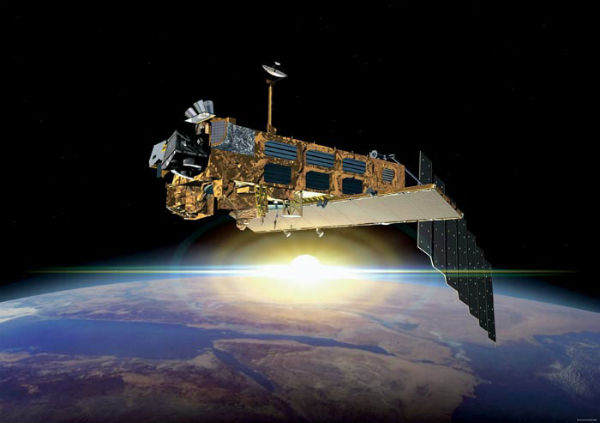
    The European Space Agency (ESA) on Wednesday declared the official end of Envisat, the Earth-monitoring satellite that went silent last month after operating for twice its predicted lifespan. A team of engineers has spent the last month attempting to regain control of

  • Hubble will use Moon as the mirror to watch Venus transit

    Scientists plan to use the moon as a mirror to watch this year’s June 5-6 transit of Venus with the Hubble Space Telescope. That’s because Hubble can’t look at the sun directly – the bright light could damage the telescope’s super-sensitive instruments.This

  • Mars Reconnaissance Orbiter detects changes in Martian sand dunes

    NASA’s Mars Reconnaissance Orbiter has revealed that movement in sand dune fields on the Red Planet occurs on a surprisingly large scale, about the same as in dune fields on Earth.This is unexpected because Mars has a much thinner atmosphere than Earth, is only about

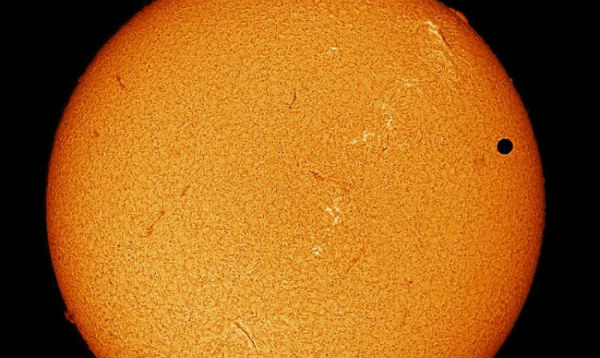
  • Venus transit of 2012 will not be seen again until 2117

    A transit of Venus is the observed passage of the planet across the disk of the Sun. The planet Venus, orbiting the Sun “on the inside track,” catches up to and passes the slower Earth.  Venus, appearing as a small dot in the foreground, will move from left to