• Bright fireball streaks through the night sky over Japan

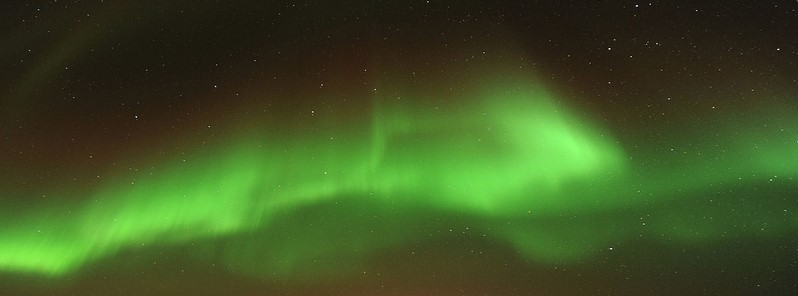
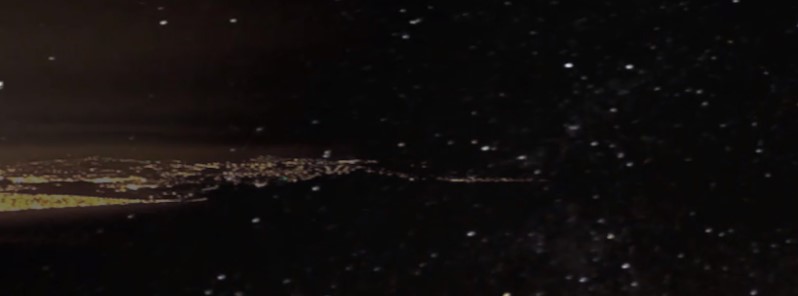
    A bright fireball streaked through the night sky over Japan around 12:30 UTC (21:30 JST) on November 21, 2017. The object was visible for a few seconds before it disintegrated in a bright flash. The event was witnessed by people from both east and west coast of…

  • Asteroid 2017 WW1 to flyby Earth at a distance of 0.37 LD

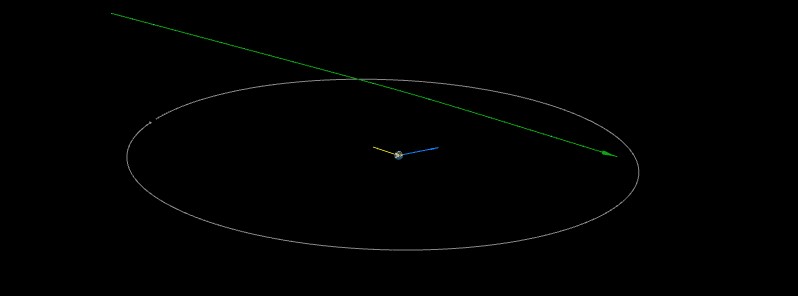
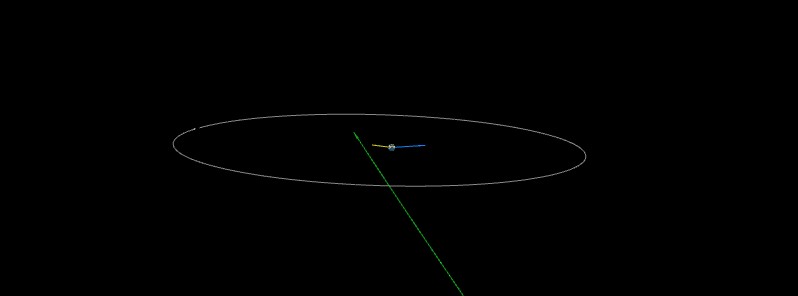
    A small asteroid designated 2017 WW1 will flyby Earth at a distance of 0.37 LD / 0.00094 AU (~140 621 km / 87 378 miles) at 19:18 UTC on November 21, 2017. This is 50th known asteroid to flyby Earth within 1 lunar distance since the start of the year. 2017 WW1 was…

  • NASA detects solar flare pulses at Sun and Earth

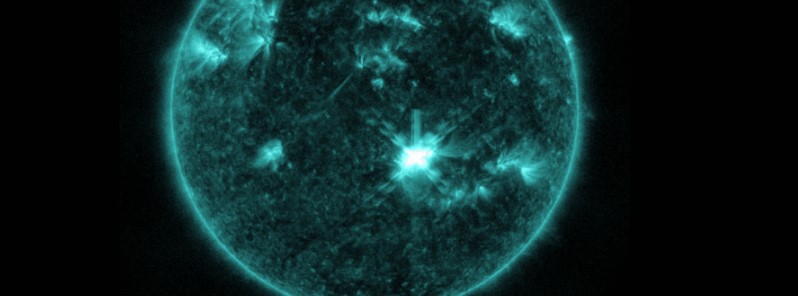
    When our Sun erupts with giant explosions—such as bursts of radiation called solar flares—we know they can affect space throughout the solar system as well as near Earth. But monitoring their effects requires having observatories in many places with many…

  • Three decades of measurements show ozone’s ups and downs

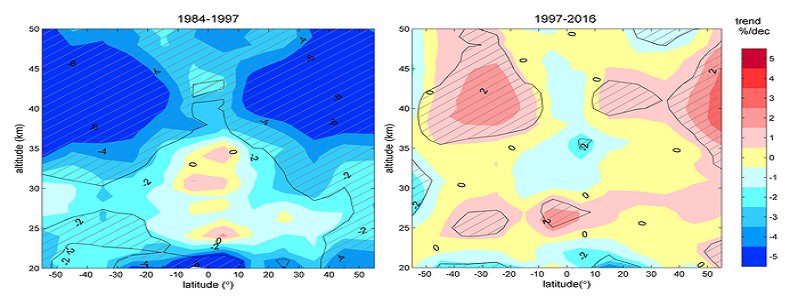
    Climate scientists studying three decades of ozone measurements from seven satellites see a positive trend in global recovery after international efforts to curb ozone-depleting substances. The part of Earth’s atmosphere with high concentrations of ozone gas…

  • Astronomers discover a star that just keeps shining

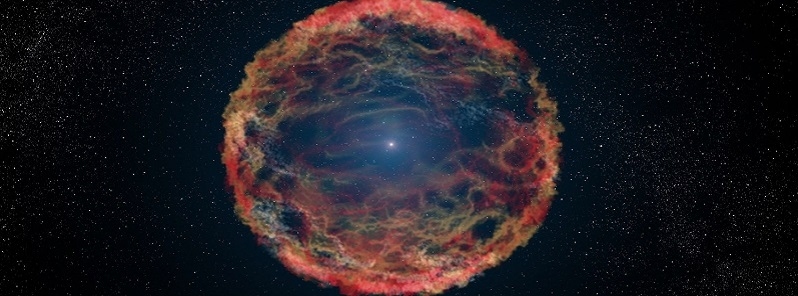
    An international team of astronomers led by Las Cumbres Observatory (LCO) has made a bizarre discovery; a star that just keeps shining. Supernovae, the explosions of stars, have been observed in the thousands and in all cases they marked the death of a star. But in…

  • Closest temperate world orbiting quiet star discovered

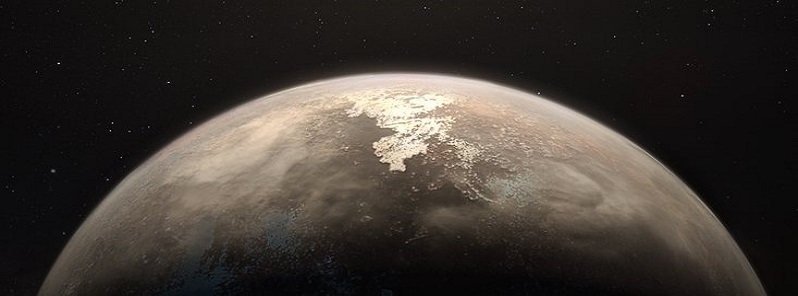
    A temperate Earth-sized planet has been discovered only 11 light-years from the Solar System by a team using ESO’s unique planet-hunting HARPS instrument. The new world has the designation Ross 128 b and is now the second-closest temperate planet to be…

  • Major meteor shower: Leonids peak this weekend

    The Leonid meteor shower is a major meteor shower (Class I), running annually from November 5 to December 3. This year, it will reach its maximum rate of activity on the night of November 17 and the morning of November 18. The maximum rate of meteors expected to be…

  • Astronomers discover new type of cosmic explosion

    An international team of astronomers, including a University of Southampton expert, has discovered a new type of explosion in a distant galaxy. The explosion, called PS1-10adi, seems to prefer active galaxies that house supermassive black holes consuming the gas and…