• A yearlong look at asteroids and comets by NEOWISE

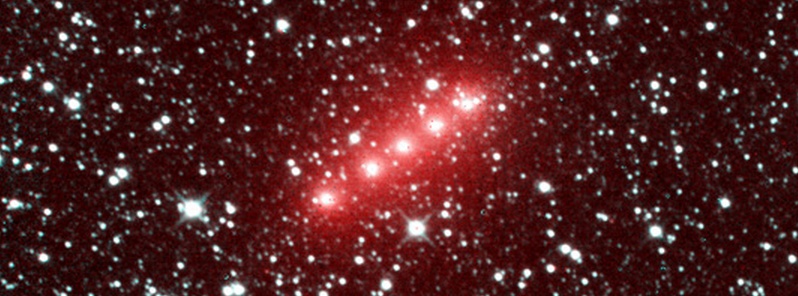
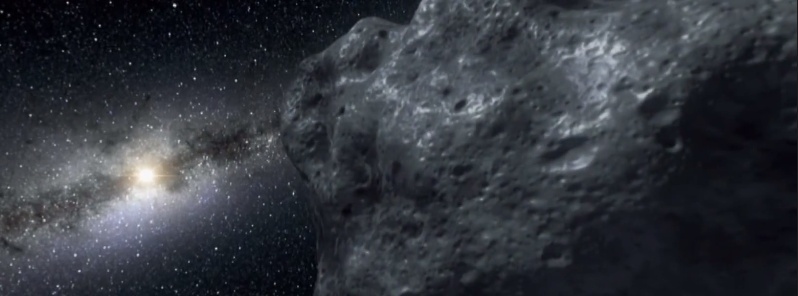
    NASA's Near-Earth Object Wide-field Survey Explorer or NEOWISE spacecraft, a space telescope that scans the skies for asteroids and comets, discovered and characterized 40 near-Earth objects (NEOs) in the first year after the mission was re-started in December

  • Comet Lovejoy (C/2014 Q2) makes closest approach to Earth

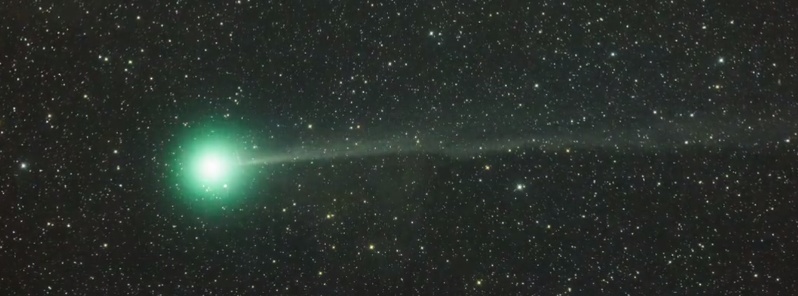
    Comet C/2014 Q2 (Lovejoy), a long-period comet discovered by Australian astronomer Terry Lovejoy on August 17, 2014, is making closest approach to our planet today, at some 70 million kilometers (43.5 million miles / 0.469 AU) away.This comet is now a naked eye object a

  • Asteroid impact exercise – preparing for an asteroid impact

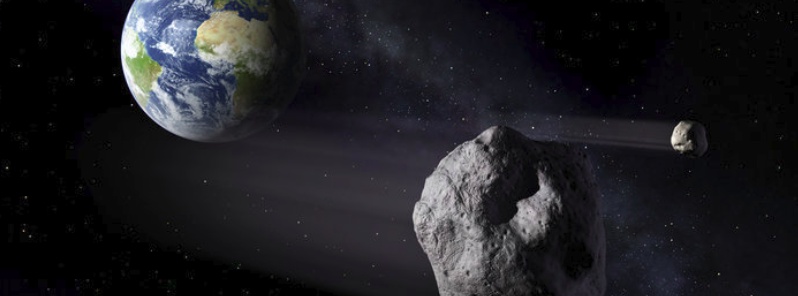
    In ESA's first-ever asteroid impact exercise, the agency and European disaster response offices recently rehearsed how to react if a threatening space rock is ever discovered to be on a collision course with Earth. They went through a countdown to an impact, practic

  • Rosetta Mission Update – Comets may not be what we thought

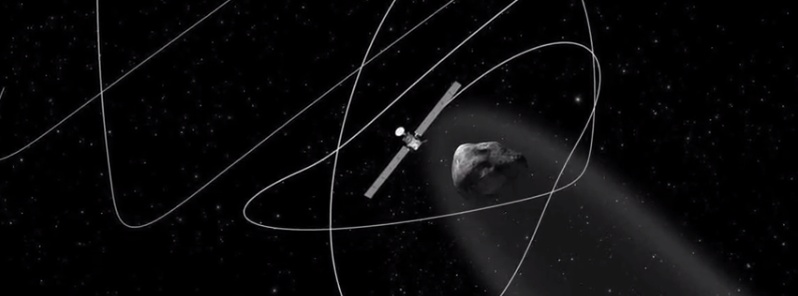
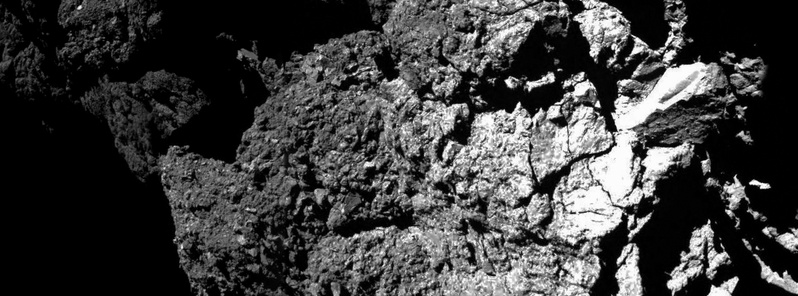
    The Comet 67P/Churyumov-Gerasimenko. Perhaps the strangest solar system object ever observed up close in the course of the space age. It was the target of the Rosetta probe, whose 10-year journey began in March 2004, under the sponsorship of the European Space Agency.Th

  • High-resolution geological map of asteroid Vesta published

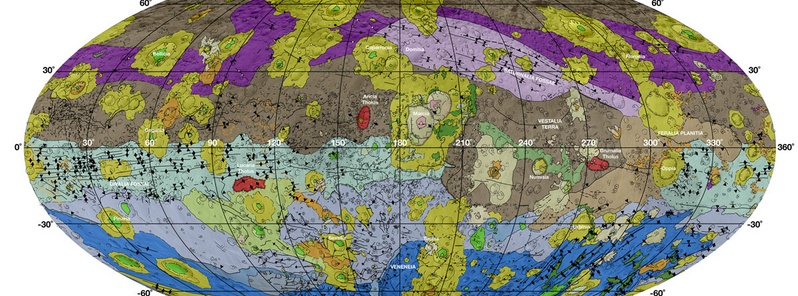
    Images from NASA's Dawn Mission have been used to create a series of high-resolution geological maps of the large asteroid Vesta, revealing the variety of surface features in unprecedented detail. These maps are included with a series of 11 scientific papers publish

  • Philae completes it primary mission before hibernation

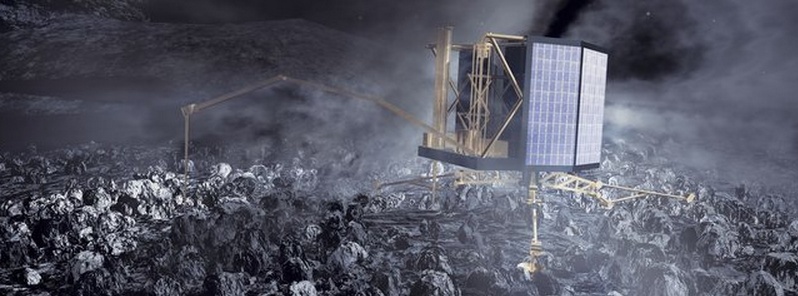
    Rosetta's lander Philae has completed its primary science mission after nearly 57 hours on Comet 67P/Churyumov–Gerasimenko, ESA proudly announced today. With its batteries now depleted and without enough sunlight available to recharge, Philae has fallen into

  • Newly released map shows frequency of small asteroid impacts

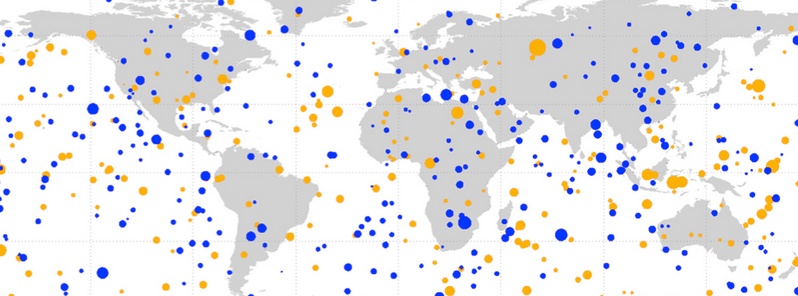
    A map released yesterday by NASA's Near Earth Object (NEO) Observation Program reveals that small asteroids frequently enter and disintegrate in the Earth's atmosphere with random distribution around the globe. Released to the scientific community, the map visua