• Desert rainfall anomaly triggers major flooding across central Australia

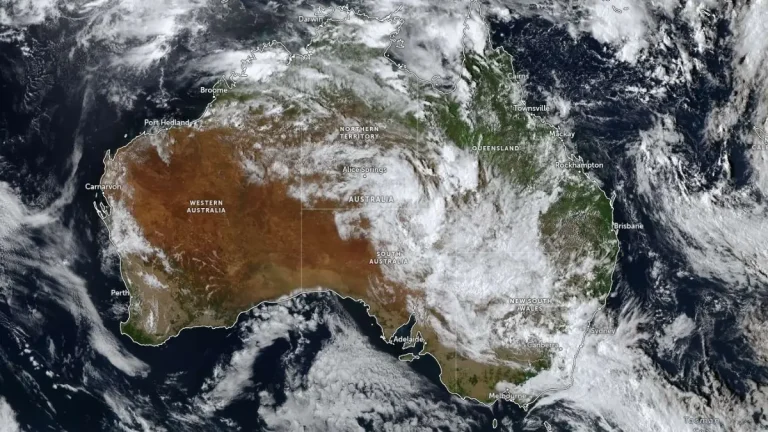
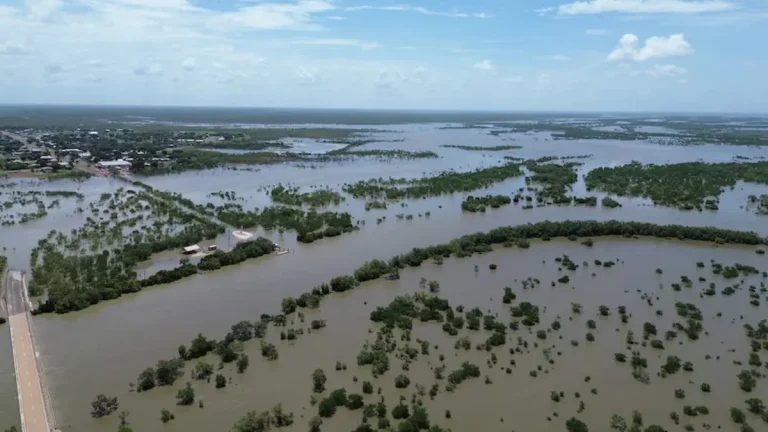
    A near-stationary tropical low has triggered one of the most significant inland rainfall events in recent decades, inundating vast areas of central Australia and prompting disaster declarations across the Northern Territory. More than 600 mm (24 inches) of rain has been recorded at some remote stations, with additional heavy rainfall forecast to expand south into South Australia and Victoria through early next week, increasing the risk of further flooding. Meteorologists described it as a remarkable and highly unusual meteorological event.

  • Vanuatu issues Red alert for Tafea Province as Tropical Cyclone Urmil intensifies

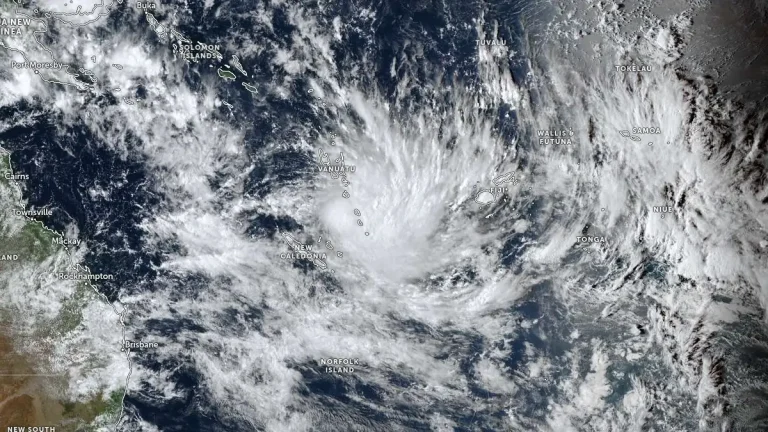
    Tropical Cyclone Urmil formed on February 27, 2026, south of Vanuatu, prompting a Red Alert for Tafea Province as the system began strengthening over the region. At 09:00 UTC, Urmil had intensified to 102 km/h (63 mph) and was moving southeast at about 15 km/h (9 mph). The cyclone is forecast to strengthen further over open waters between Vanuatu and Fiji, potentially reaching Category 2 intensity.

    Urmil is the first named storm of the 2025–26 South Pacific cyclone season. It set a new record as the latest-ever first named cyclone in the basin, surpassing Cyclone Bart, which was named on February 21, 2017.

  • Confirmed tornado damages multiple homes in Pinson, Alabama

    A confirmed tornado touched down in Jefferson County, Alabama, on February 26, 2026, damaging multiple homes in the Pinson area. Severe thunderstorms moved across parts of northern and central Alabama, bringing strong winds and large hail to Jefferson, St. Clair, Blount, and Calhoun counties, along with strong, damaging winds.

  • Post-season NHC report finds Melissa tied for strongest Atlantic hurricane by maximum sustained wind

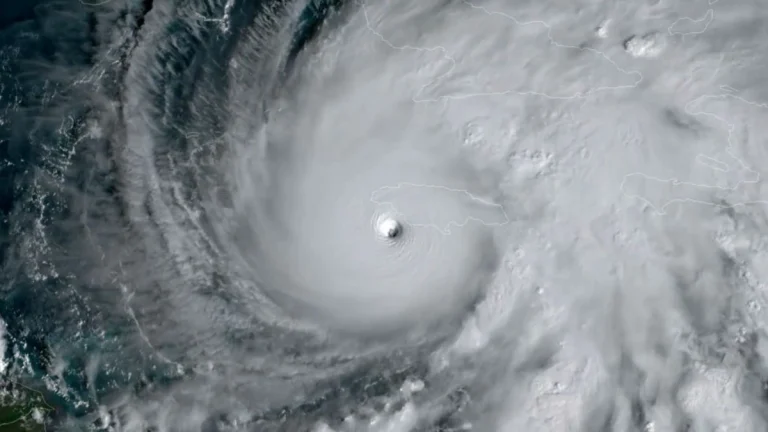
    NOAA’s final Tropical Cyclone Report confirms that Hurricane Melissa reached Category 5 intensity with peak 1-minute sustained winds of 306 km/h (190 mph), tying for the highest maximum sustained wind speed on record in the Atlantic basin, and a minimum central pressure of 892 hPa. The hurricane made landfall near New Hope, Jamaica, at 17:25 UTC (13:25 LT) on October 28, 2025, resulting in 45 fatalities in Jamaica and 95 across the region, with economic losses in Jamaica estimated at USD 8.8 billion.

  • Another storm strikes Juiz de Fora as death toll climbs to 49 in Minas Gerais, Brazil

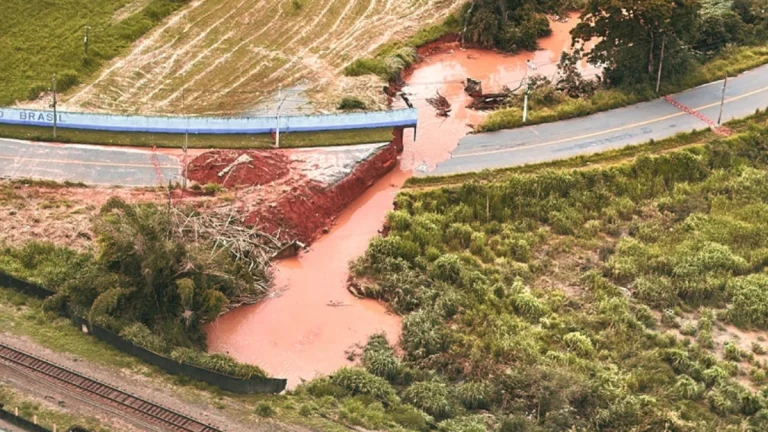
    Another storm system is bringing heavy rainfall across Juiz de Fora in Minas Gerais, as the death toll from the previous storm climbed to 49 on February 26, 2026. The government has allocated nearly USD 10 million for relief efforts across Minas Gerais, of which more than 7 million is to be used just for Juiz de Fora. The heavy ongoing rainfall has also made it difficult to plant corn crops in the region as saturated soils have made it difficult to prepare and work in the fields.

  • At least 30 dead and 39 missing after extreme rainfall causes severe flooding and landslides in Minas Gerais, Brazil

    Severe flooding and landslides struck the southeastern Brazilian state of Minas Gerais between February 23 and 24, 2026, following extreme rainfall that exceeded three times the monthly average. At least 30 people died, 39 remain missing, and more than 3 000 were displaced as torrential downpours caused the Paraibuna River to overflow in Juiz de Fora and inundate parts of Ubá.

  • Late-February 2026 Nor’easter sets all-time snowfall records and leaves 650 000 without power across Northeast U.S.

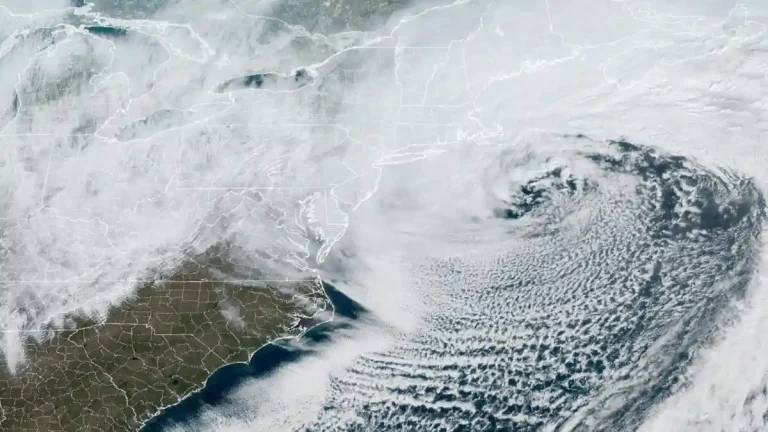
    A rapidly intensifying Nor’easter brought record-breaking snowfall, hurricane-force winds, and major disruptions across the northeastern United States on February 23, 2026. Providence, Rhode Island, recorded 96.3 cm (37.9 inches) of snow, the highest single-storm total on record, while power outages peaked above 650 000 customers and more than 11 000 flights were canceled nationwide. Officials confirmed at least four storm-related fatalities in Maryland and Pennsylvania.