• LADEE spacecraft confirms Moon’s exosphere contains neon

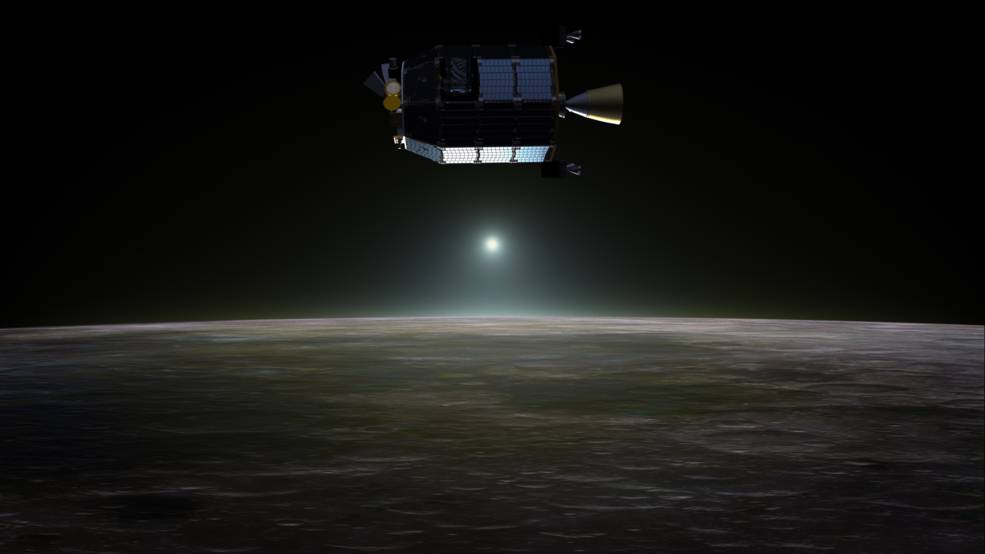
    Lunar Atmosphere and Dust Environment Explorer (LADEE) spacecraft for the first time confirmed the long-speculated assumption, the Moon's atmosphere might contain neon, a gas known for it's intense glow, and commonly used in electric signs on Earth, NASA reporte
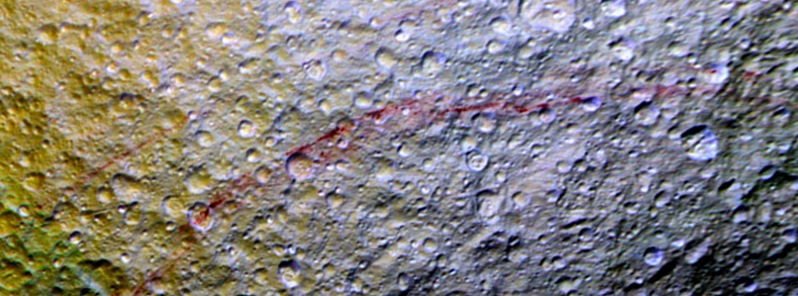
  • Unusual red arcs spotted on the surface of Saturn’s icy moon Tethys

    New enhanced-color images from NASA's Cassini spacecradr revealed unexplained arc-shaped, reddish streaks on the surface of Saturn's icy moon Tethys. The red arcs are narrow, curved lines on the moon's surface, and are among the most unusual color features o

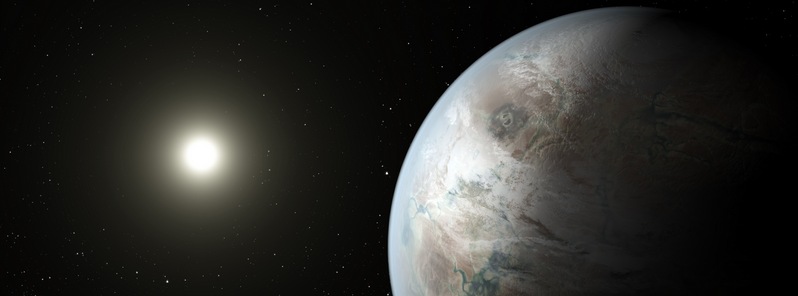
  • NASA’s Kepler mission discovers closest Earth twin yet

    NASA made an announcement on July 23, 2015 of it's Kepler space telescope spotting the most Earth-like alien planet yet discovered – a world called Kepler-452b that's just slightly bigger than our own and orbits a sun-like star named Kepler-452 at about the same

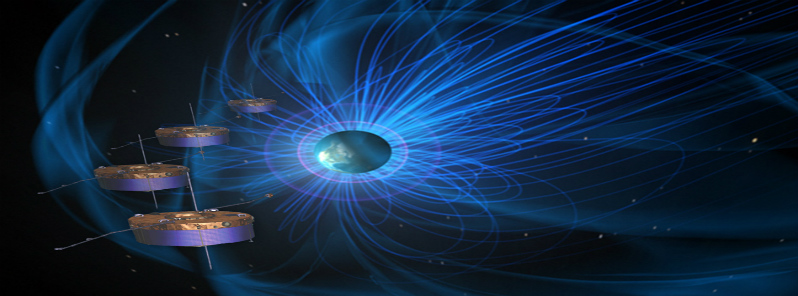
  • Mystery of equatorial noise solved

    A team from MIT, the University of California at Los Angeles, the University of Sheffield, and elsewhere has detected a remarkably orderly pattern amid the "equatorial noise." The discovery may help scientists to more accurately model the space environment an

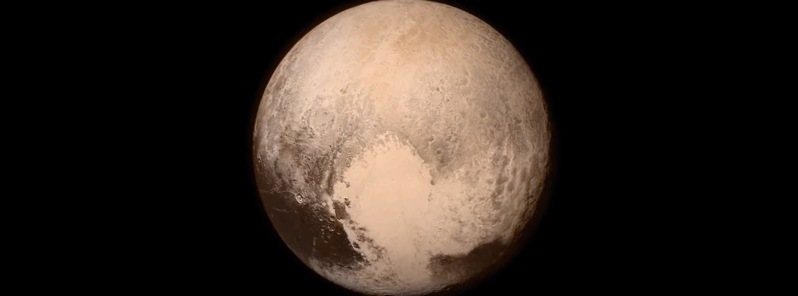
  • New Horizons accomplished the historic first-ever flyby of Pluto

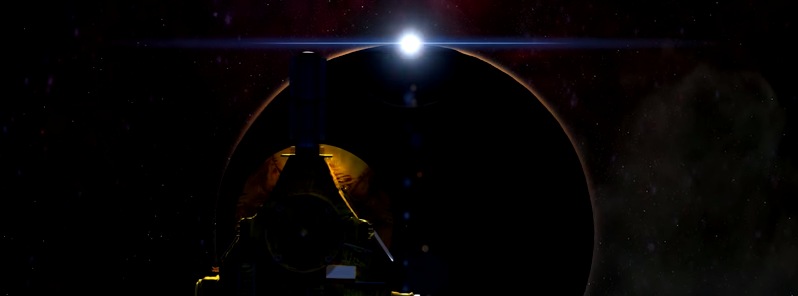
    New Horizons spacecraft phoned home around 01:00 UTC on July 15, 2015 telling the mission control and the world it had accomplished the historic first-ever flyby of Pluto.The flyby began at 11:49 UTC on July 14 and the spacecraft has been instructed to spend the day gat

  • Tracking space weather for New Horizons

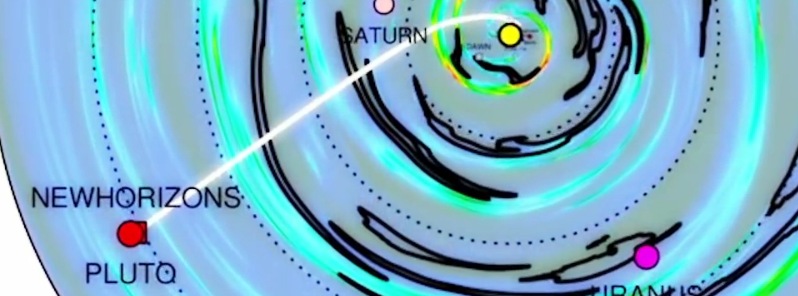
    A few months before New Horizons was due to reach Pluto, a community of scientists came together to determine just what kind of a environment the mission would experience during its historic flyby.While the simulations aren't 100% conclusive, this first ever attempt

  • Neptune’s badly behaved magnetic field modelled in detail

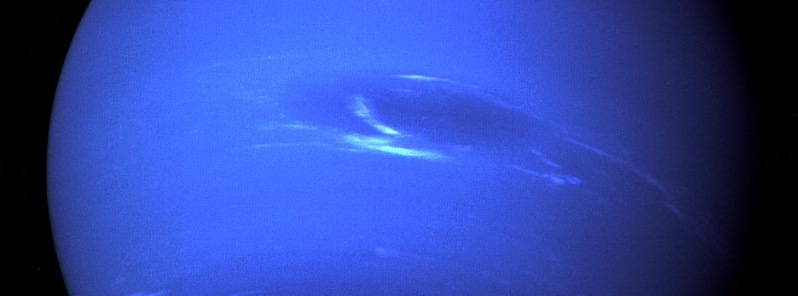
    A team of scientists at the Imperial College London have combined 26-year old data with supercomputer simulations and for the first time modelled Neptune's magnetic field in detail. The researchers find that the furthest planet from the Sun has a badly behaved