• New era of violent and unpredictable eruptions at Stromboli volcano, Italy

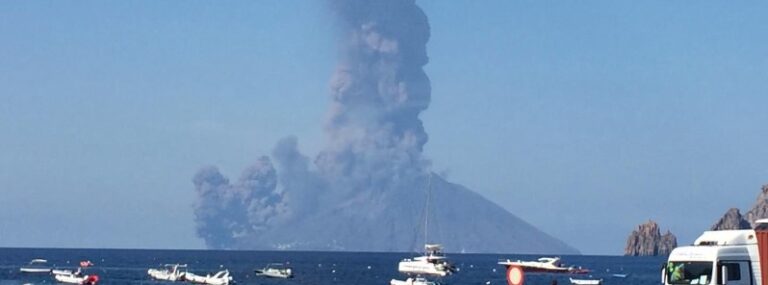
    New research published in Nature Communications suggests the internal ‘plumbing’ system of the Stromboli volcano in Italy may have changed, allowing magma from deep beneath the surface to rise more easily, triggering violent and unpredictable blasts. The research follows a series of surprisingly strong eruptions and paroxysms in 2019.

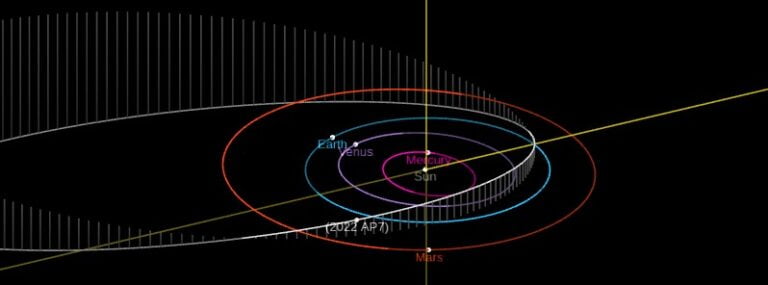
  • Study shows how Earth-Sun distance dramatically influences annual weather cycles in the equatorial Pacific in a 22 000-year cycle

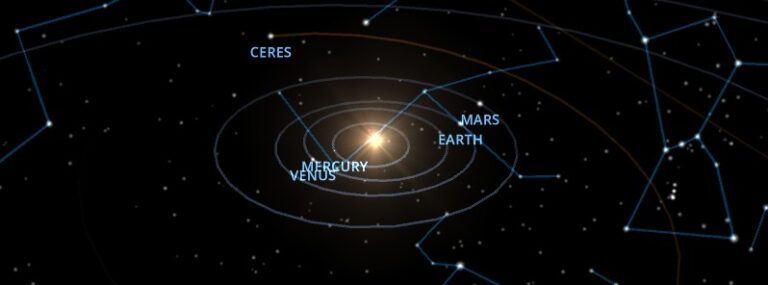
    A new research led by the University of California, Berkeley, demonstrates that one driver of annual weather cycles in the eastern equatorial Pacific Ocean—in particular, a cold tongue of surface waters stretching westward along the equator from the coast of South America—has gone unrecognized: the changing distance between Earth and the Sun.

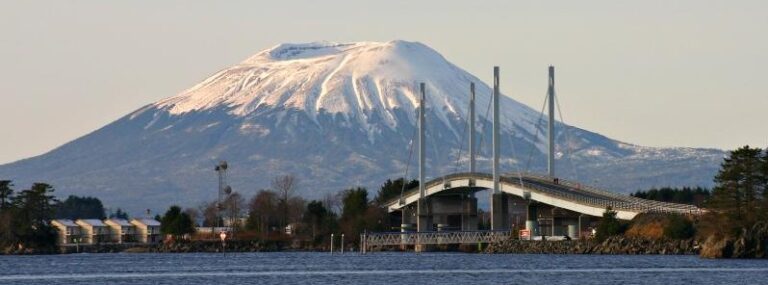
  • Reactivation of dormant Edgecumbe volcano, Alaska

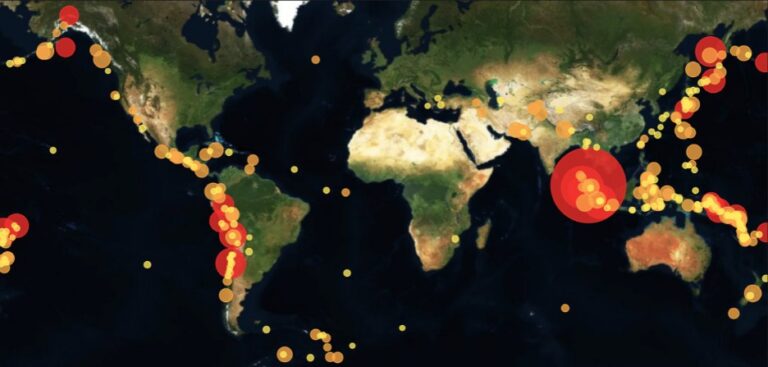
    Researchers reporting in AGU’s Geophysical Research Letters show that the seismic swarm detected near Mt. Edgecumbe volcano in Southeast Alaska, U.S. in April 2022 was caused by magmatic activity taking place under this transform fault volcano previously considered dormant.

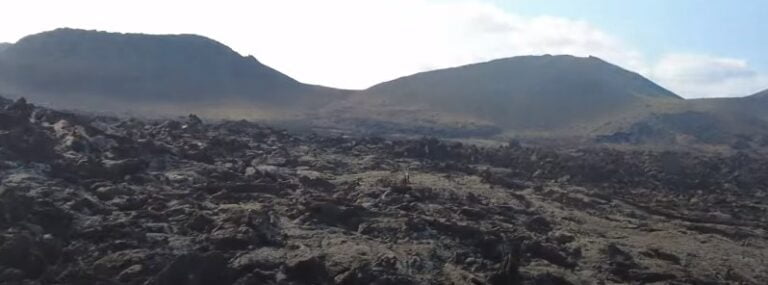
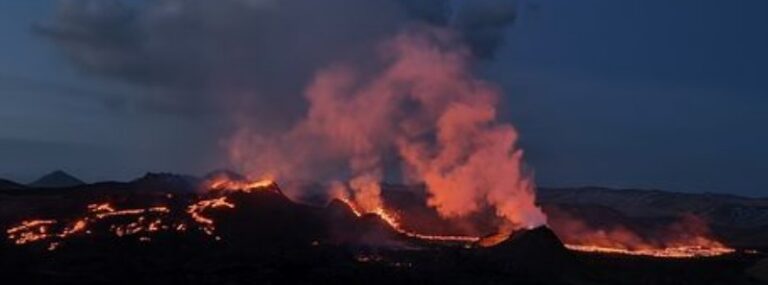
  • Studies provide new insights into unusual 2021 Fagradalsfjall eruption – the first eruption on the Reykjanes Peninsula after 800 years of dormancy

    Scientists from the University of Iceland, the Icelandic Met Office and their colleagues have published two papers in the latest issue of Nature presenting new findings from the 2021 eruption at Fagradalsfjall – the first eruption on the Reykjanes Peninsula after 800 years of dormancy.