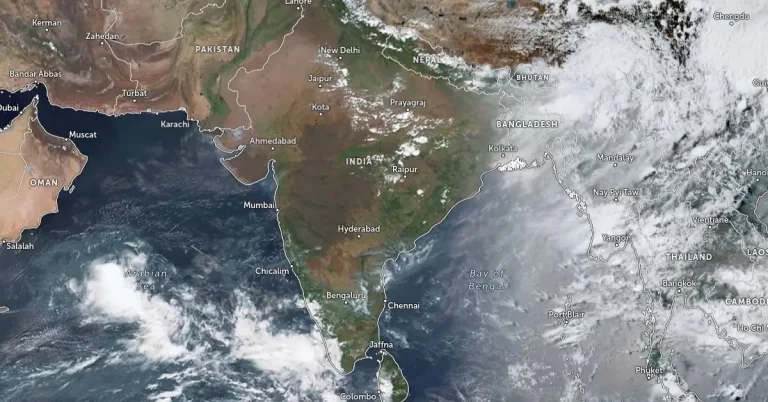
• Delhi under Red alert as extreme temperatures strike northwest India

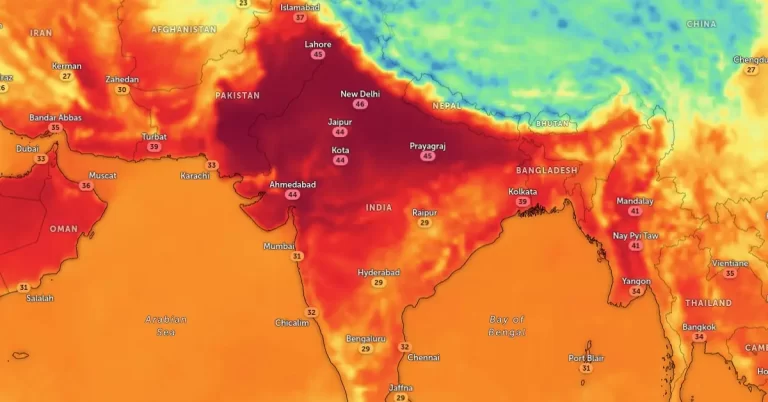
    Parts of northwest India are experiencing severe heatwave conditions on Saturday, May 18, 2024, with the capital New Delhi under a Red alert as very high temperatures strike parts of the country. The India Meteorological Department has issued warnings for several states, anticipating persistent heat wave conditions over the next 5 days.

  • Hospitals take emergency measures, schools close as Bangladesh records hottest April in 75 years

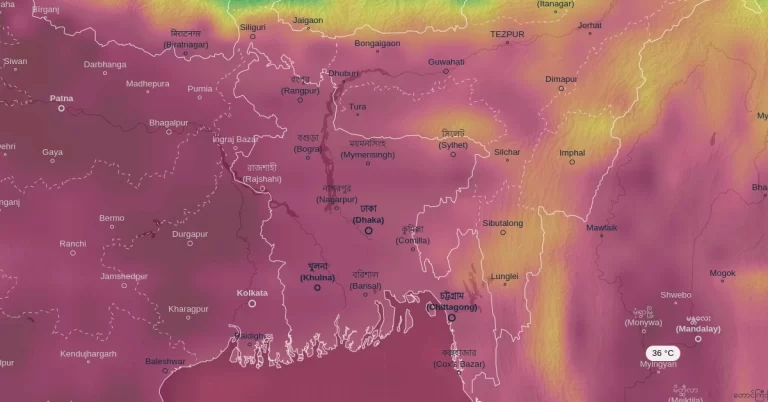
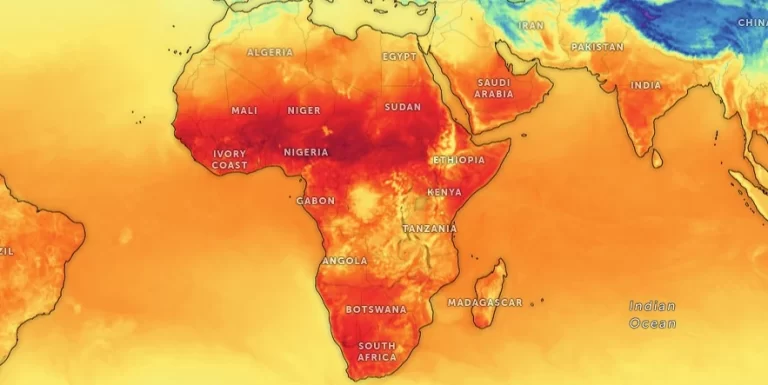
    Bangladesh experienced its hottest April in 75 years, with the month marking a prolonged and severe heatwave that led to extensive health emergencies across the nation. According to Dr. Muhammad Abul Kalam Mallik of the Bangladesh Meteorological Department, April 2024 has been the most intense with a record 23 heatwave days, surpassing the combined count of April and May 2019.

  • Tel Aviv breaks 85-year April temperature record, Israel

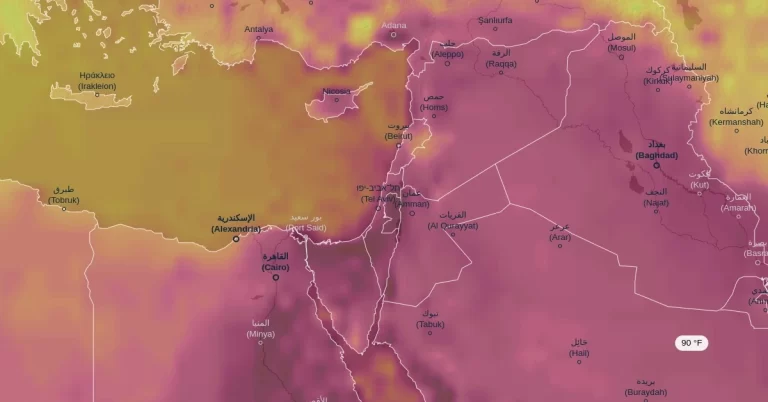
    Tel Aviv, Israel witnessed a historical weather event on April 25, 2024, as temperatures soared to a record-breaking 40.7 °C (105.3 °F), surpassing the city’s previous April high of 40.4 °C (104.7 °F) set in 1939. This significant meteorological milestone occurred during a persistent heatwave impacting the region, with the Israel Meteorological Service confirming these figures.

  • Heatwave in Telangana, India claims five lives and sets record temperatures

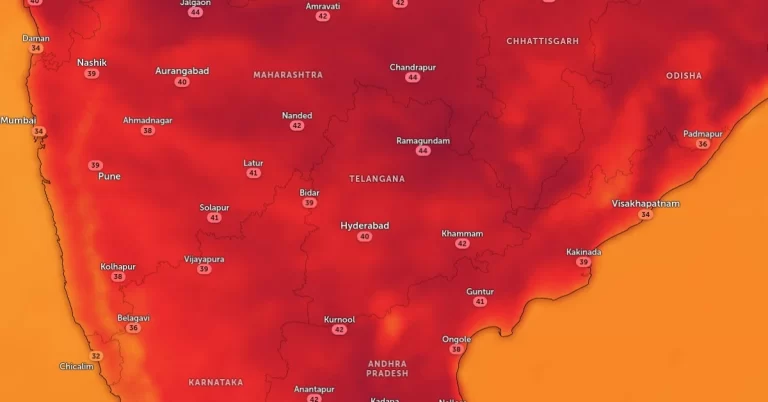
    Telangana endured a deadly heatwave on Thursday, recording temperatures surpassing 45 °C (113 °F) in six districts, marking the highest temperatures for April in some areas over the past decade and leading to five fatalities. The State Disaster Management Department has issued health warnings for vulnerable groups such as the elderly and children due to the severe heat.

  • Rio De Janeiro hits record 62.3 °C (144.14 °F) thermal sensation, Brazil

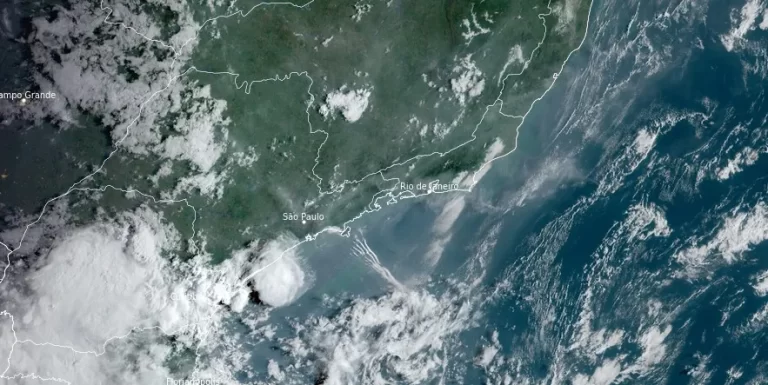
    Guaratiba, a neighborhood on Rio De Janeiro’s west side, recorded a thermal sensation of 62.3 °C (144.14 °F) at 09:55 LT on Sunday, March 17, 2024, marking the highest value since the Rio Alert System’s inception in 2014. The intense heat, exacerbated by high humidity, has led to increased beach and pool attendance amidst reports of water shortages.