• Scientists claim that Earth is not expanding

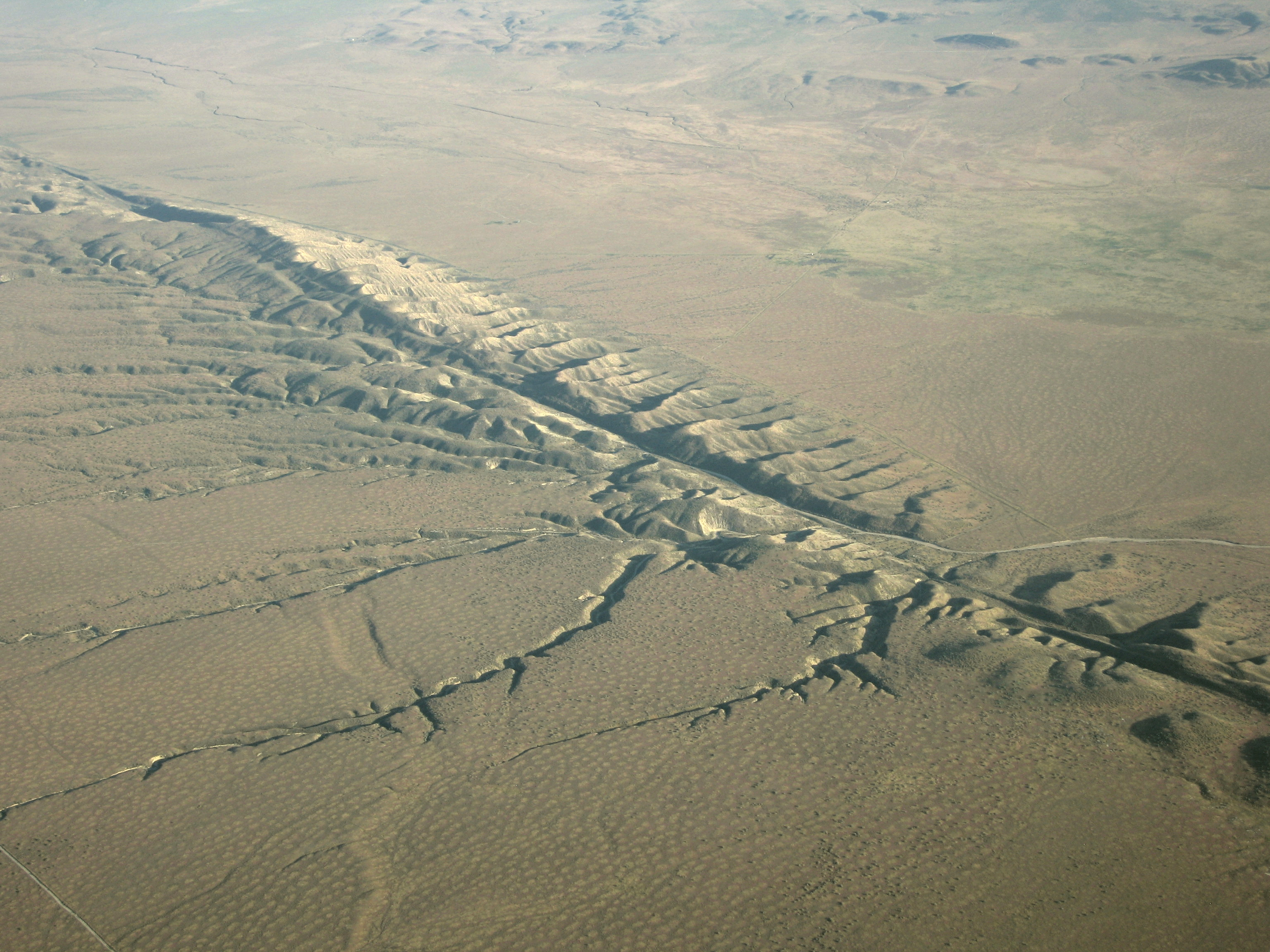
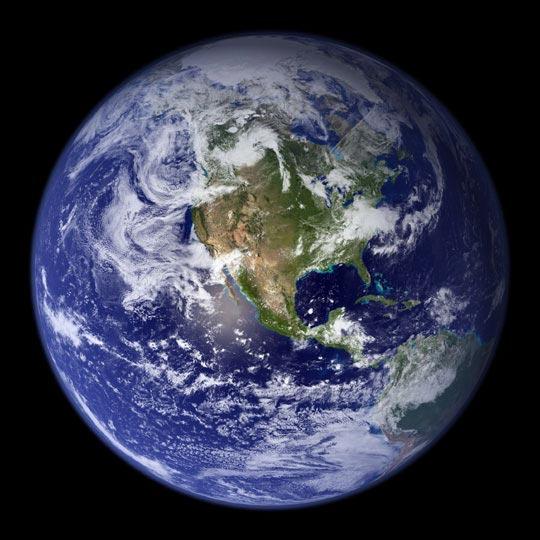
    Since Darwin’s time, scientists have speculated the planet might be expanding or contracting. Even with the acceptance of plate tectonics half a century ago, which explained the large-scale motions of Earth’s outermost shell, the accusations persisted; some Earth and

  • Excessive radioactive cesium found in Fukushima fish

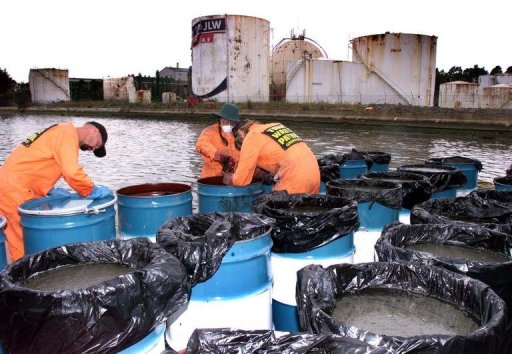
    Fish caught at a port about 55 kilometers from the crippled Fukushima Daiichi nuclear power plant contained radioactive cesium at levels exceeding an allowable limit, the environmental group Greenpeace said Tuesday.The samples taken at Onahama port in Iwaki, Fukushima

  • Japan tsunami broke huge icebergs off Antarctica

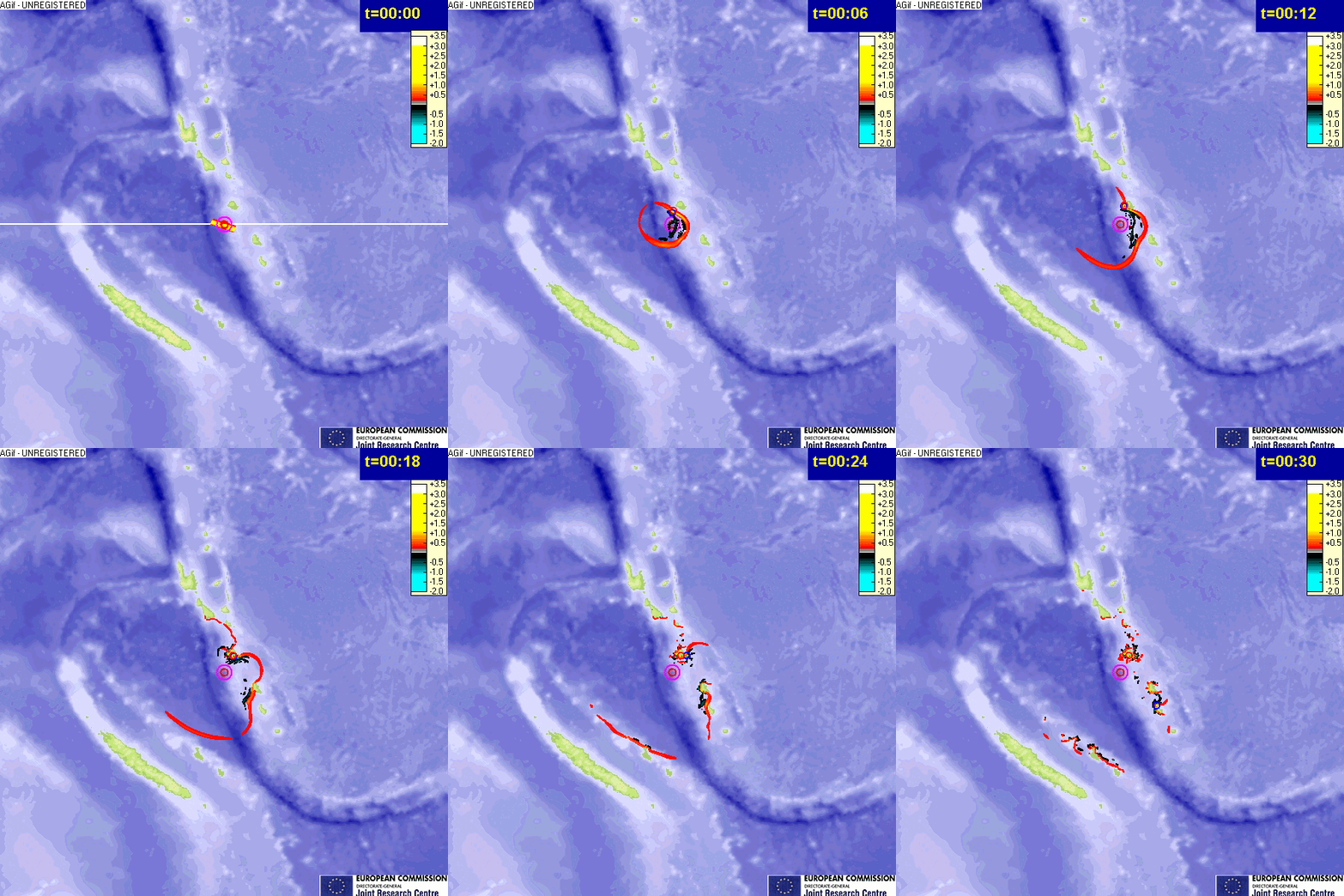
    The massive March 11 Japan earthquake and its ensuing tsunami were so powerful that they broke off huge icebergs thousands of miles away in Antarctica, according to a new study.The calving of icebergs (where a huge chunk of ice breaks off from a glacier or ice shelf)

  • The First True View of Global Erosion

    Geologist Paul Bierman from University of Vermont and his graduate student, Eric Portenga, have taken twenty years worth of this disparate data, compiled 1599 measurements from eighty-seven sites around the world, and recalculated it with a single, up-to-date method.

  • Increasing ocean acidification and the effects on microalgae

    Scientists have for the first time examined on a global scale how calcified algae in their natural habitat react to increasing acidification due to higher marine uptake of carbon dioxide.In the current issue of the magazine Nature they explain that Coccolithophores,

  • NOAA increases predicted number of named storms

    The following is a release from the National Oceanic and Atmospheric Administration(NOAA) on Aug. 4, 2011.”NOAA issued its updated 2011 Atlantic hurricane season outlook today, raising the number of expected named storms from its pre-season outlook issued in May.

  • History of nuclear weapons testing

    The first nuclear weapon was detonated as a test by the United States at the Trinity site on July 16, 1945, with a yield approximately equivalent to 20kilotons. The first hydrogen bomb, codenamed “Mike”, was tested at the Enewetak atoll in the Marshall