• Dynamic auroras visible for the fifth day in a row

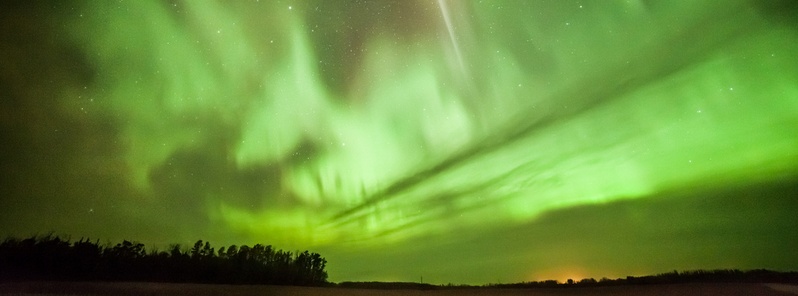
    For the 5th day in a row a crack in the Earth's magnetosphere is allowing solar wind to reach Earth. Although a full geomagnetic storm is not required to generate auroras at this time of the year, coronal hole effects and multiple solar sector changes currently affe

  • Three to four-week extreme weather forecasting the new norm

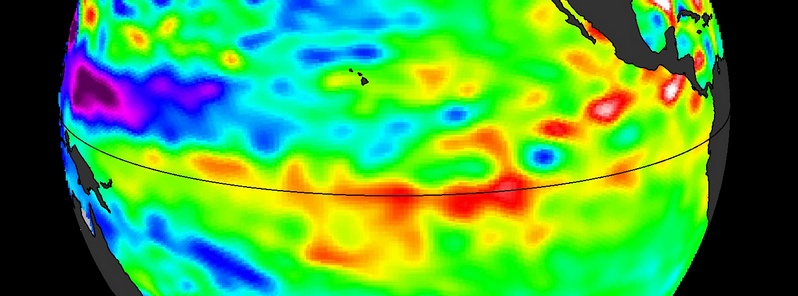
    As part of the climate plan announced at the UN summit, the Obama Administration said it would begin a coordinated US effort, led by the National Oceanic and Atmospheric Administration (NOAA), to develop better extreme-weather risk outlooks. This year, NOAA will issue w

  • NASA and partners target megacities’ carbon emissions

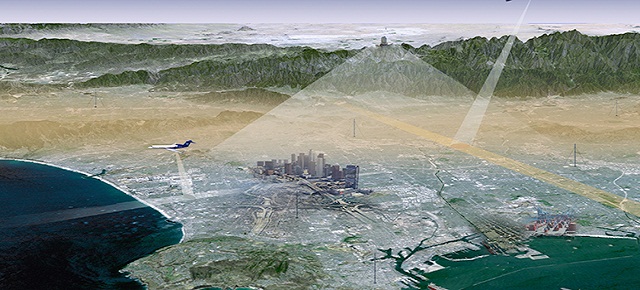
    As world leaders attended the UN Climate Summit 2014, NASA has joined others in an international initiative to monitor the greenhouse gas emissions of Earth's most populous cities.NASA recently launched Orbiting Carbon Observatory-2 (OCO-2) satellite which can detec

  • Turning International Space Station into a giant Earth observer

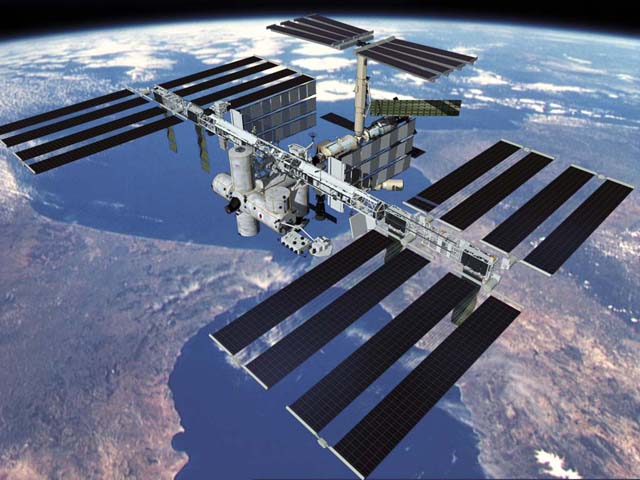
    With the inclusion of six new Earth science instruments NASA wants to take the earth watching capability of ISS to a whole new level. The upgrading process started on September 20th when a SpaceX resupply rocket blasted off from Cape Canaveral carrying the first NASA Ea

  • The Aral Sea disaster – South Aral Sea loses its Eastern lobe

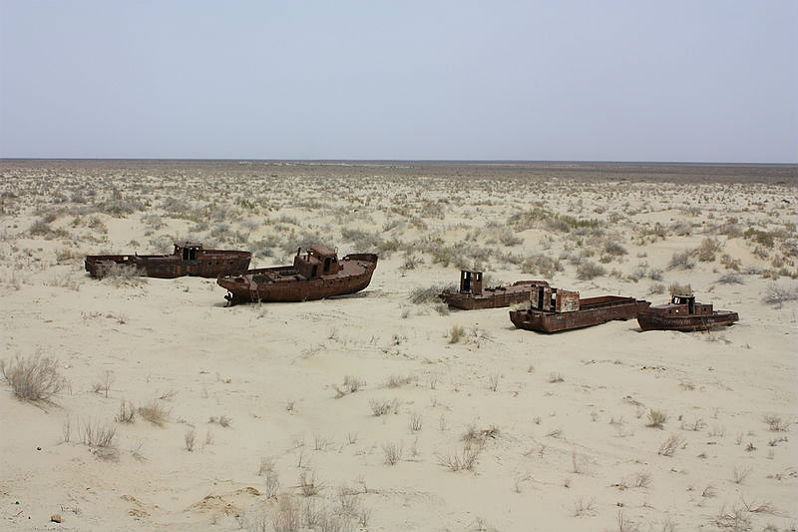
    Summer 2014 marked the first time the eastern basin of the South Aral Sea has completely dried. The once-extensive lake in Central Asia has been shrinking markedly since the 1960s. The main causative factor until the 1960s was the periodic westward diversion of the Amu

  • Many views of a massive CME – July 23, 2012

    On July 23, 2012, a massive cloud of solar material erupted off the sun's right side, zooming out into space. It soon passed one of NASA's Solar Terrestrial Relations Observatory, or STEREO, spacecraft, which clocked the CME as traveling between 2 900 – 3…

  • India’s first Mars satellite ‘Mangalyaan’ enters orbit

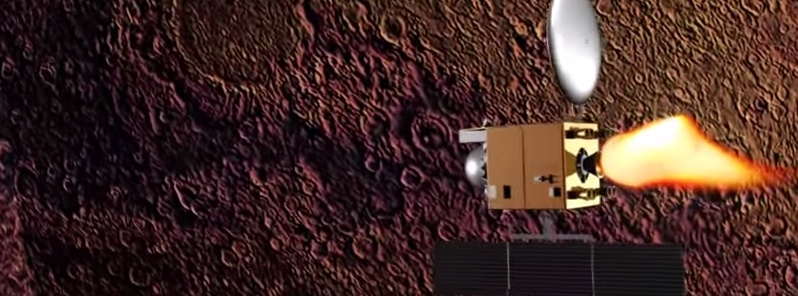
    India's first interplanetary mission to planet Mars, Mars Orbiter Mission, arrived in the Martian orbit on September 24, 2014 making India the first nation to enter the Mars's orbit in it’s first attempt and the first Asian nation to reach the Red planet.I

  • Sunkoshi landslide a continuous disaster, Nepal

    Nearly 2 kilometers of hillside collapsed in rugged northern Nepal at 20:51 UTC on August 1, 2014 (02:36 local time on August 2) causing a massive landslide which buried dozens of homes in the village of Jure and killed 156 people. Some 5.5 million cubic meters (194 mil

  • New toxic spills confirmed in Sonora, Mexico

    After a massive toxic leak from Mexico's Buenavista del Cobre mine on August 6, 2014, three new toxic spills have appeared in Sonora, northwestern Mexico on September 18, 2014.PROFEPA, an environmental protection agency said late Sunday, September 21, that the new s

  • Massive galaxies grow by eating their smaller neighbors

    Australian astronomers have found out that massive galaxies in the Universe have stopped making their own stars and are instead snacking on nearby galaxies. They looked at more than 22 000 galaxies and found that while smaller galaxies were very efficient at creating st