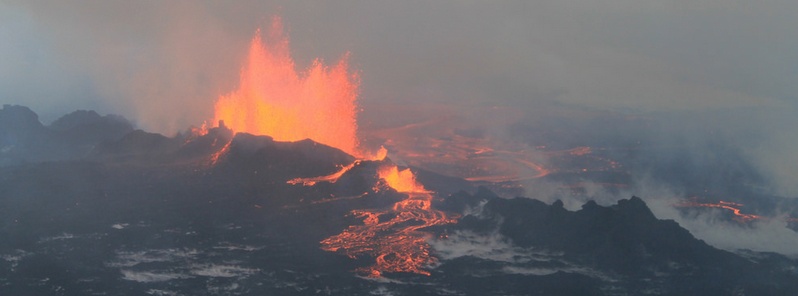
• Scientists observe the Earth grow a new layer under an Icelandic volcano

    New research into an Icelandic eruption has shed light on how the Earth's crust forms, according to a paper published today in Nature. When the Bárðarbunga volcano, which is buried beneath Iceland's Vatnajökull ice cap, reawakened in August
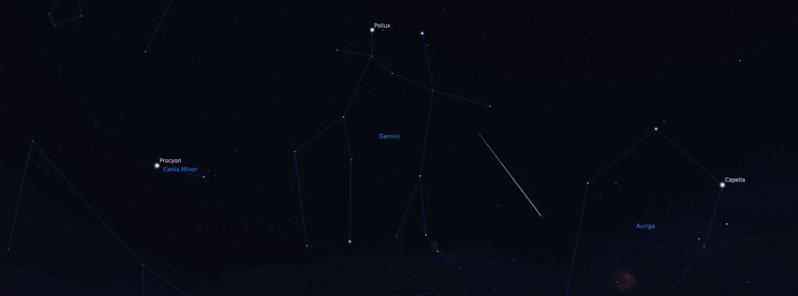
  • Geminids – the king of meteor showers peaks this weekend

    Geminid meteor shower, the king of meteor showers, peaks during the night and early morning hours of December 13 and 14 as our planet passes through a debris field left by asteroid, or a possible "rock comet", named 3200 Phaethon.Geminids are considered by man

  • Active volcanoes in the world: December 3 – 9, 2014

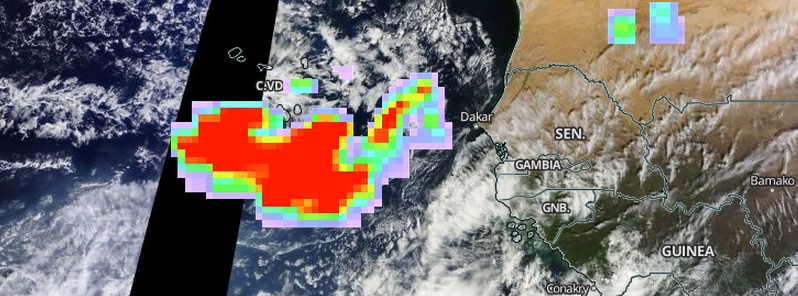
    New activity/unrest was observed at 6 volcanoes from December 3 – December 9, 2014. Ongoing activity was observed at 14 volcanoes. New activity/unrest: Asosan, Kyushu (Japan) | Chirinkotan, Kuril Islands (Russia) | Fogo, Cape Verde | Sinarka, Shiashkotan Island (Russ

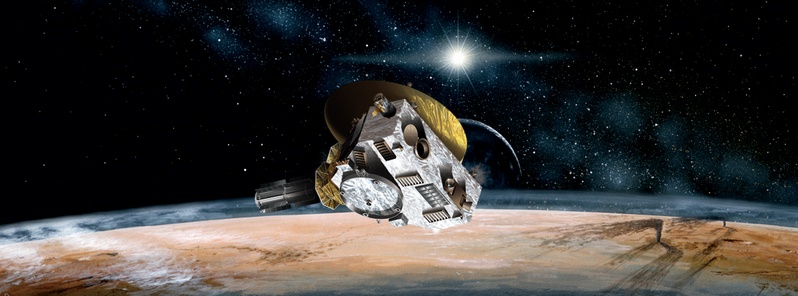
  • New Horizons wakes up for historic Pluto encounter

    New Horizons woke up from hibernation on December 6, 2014 after a 4.8 billion km voyage (3 billion miles) and almost nine years after launch. The spacecraft is now preparing for a six-month encounter with Pluto that begins in January 2015. This mission will complete

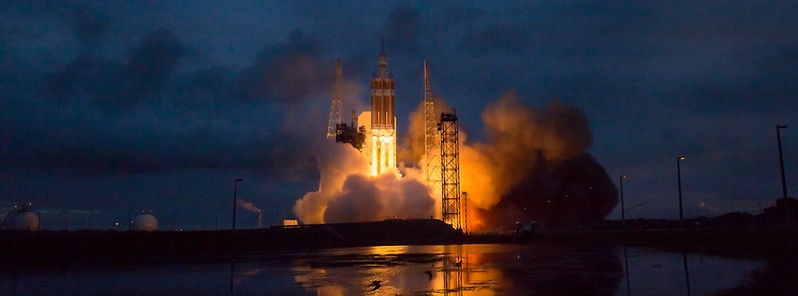
  • NASA’s new Orion spacecraft completes first spaceflight test

    NASA marked a major milestone today on its journey to Mars as the Orion spacecraft completed its first voyage to space, traveling farther than any spacecraft designed for astronauts has been in more than 40 years.“Today’s flight test of Orion is a huge step

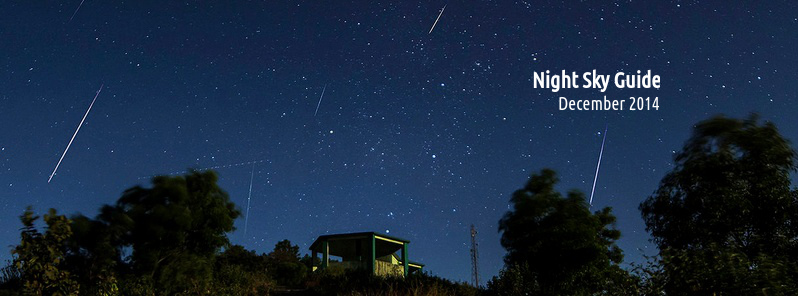
  • Night sky guide for December 2014

    The first half of December provides some of the best meteor activity of the year, however, the bright moon will block out all but the brightest meteors. Geminids, the king of the meteor showers, peak on December 13. They will be blocked out by waning gibbous moon to som

  • Tool kit for ocean health – Global change and the future ocean

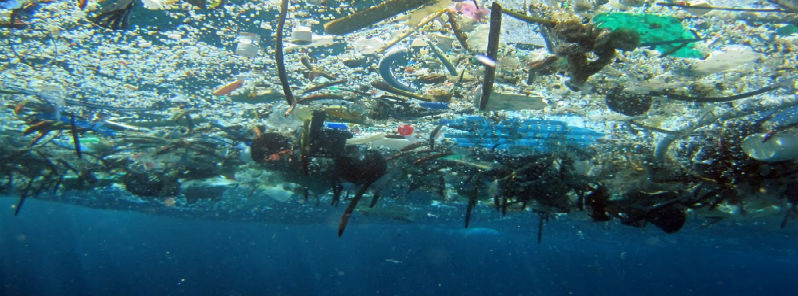
    The ocean is under significant impact by anthropogenic global pressures such as ocean acidification, warming, overfishing and pollution, resulting from the impact of human activity on major processes that regulate the functions of the planet, warns the head of The