• Typhoon Rammasun hit Philippines as Category 3 typhoon

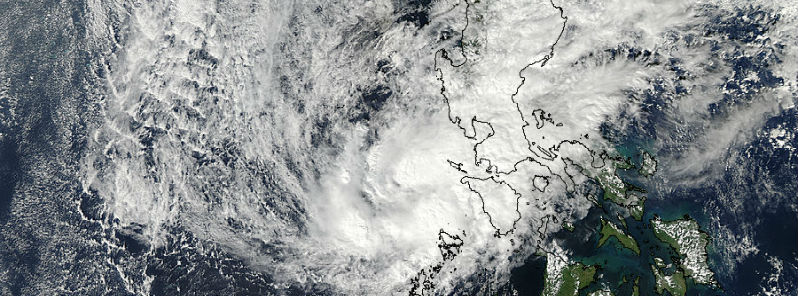
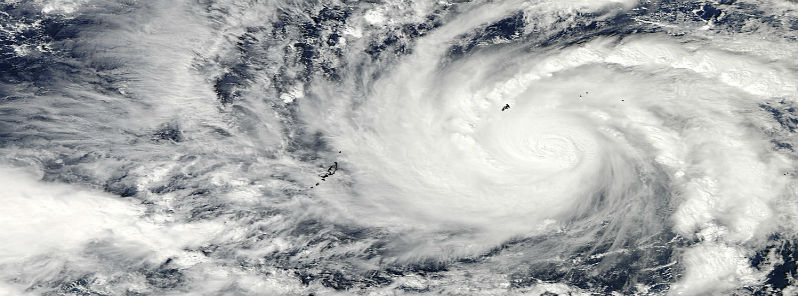
    Typhoon Rammasun (locally known as Glenda) made landfall in the eastern part of the central Philippines, in the Visayas region, early on July 15, 2014, as a Category 3 typhoon. Wind gusts up to 200 km/h (125 mph) were recorded. Torrential rains and heavy winds

  • Typhoon Rammasun to make landfall in Philippines

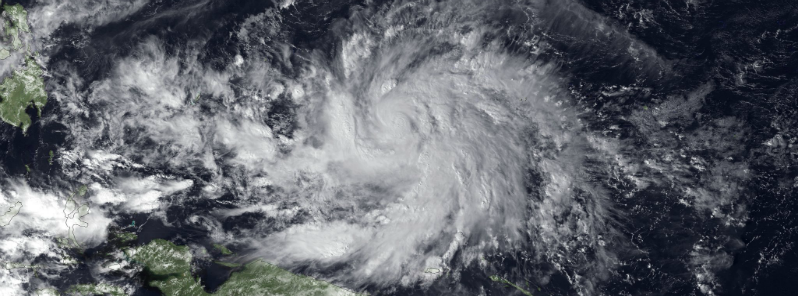
    As expected, Tropical Storm Rammasun intensified on the track to the Philippines and became Typhoon Rammasun during July 14, 2014. The Philippines are bracing for the impact of first typhoon since the devastating Super Typhoon Haiyan in November

  • Tropical Storm Rammasun threatens the Philippines

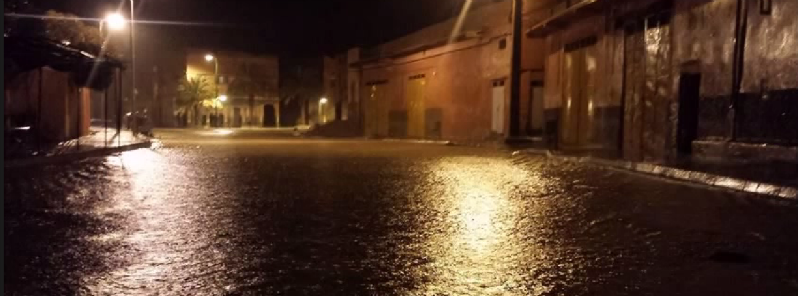
    Tropical depression near Guam developed into the ninth named storm of West Pacific season this year. Tropical Depression 09W became a Tropical Storm Rammasun on July 11, 2014 but shortly after passing near Guam, it was downgraded to a tropical depression

  • New tropical depression formed southeast of Guam

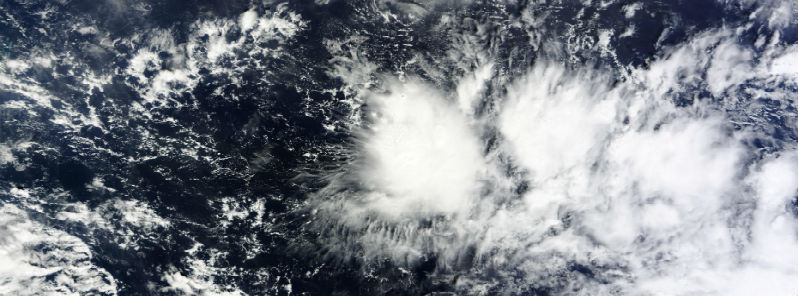
    Ninth tropical depression is formed southeast of Guam. The Joint Typhoon Warning Center (JTWC) expects TD 09W to move past the southern islands of the Marianas and gradually strengthen into a typhoon as it tracks to the west or northwest through the

  • As weakened Neoguri leaves Japan, new typhoon threat on horizon

    Tropical Storm Neoguri underwent extra-tropical transition early on July 11, 2014 as it tracked toward the Pacific waters east of Japan. According to JMA, the system is currently moving westward at speed of 15 km/h (9 mph). Maximum sustained winds are 65 km/h

  • NASA’s RapidScat to unveil hidden cycles of sea winds

    Ocean waves, the hot sun, sea breezes — the right combination makes a great day at the beach. A different combination makes a killer hurricane. The complex interactions of the ocean and the air above it that can create such different outcomes are not yet fully known. S

  • Typhoon Neoguri targets Japan

    The first super typhoon of the season, Neoguri, continues to threaten lives and property in southern Japan. Neoguri’s center of circulation is now southwest of Kyushu, and it has weakened from “Very Strong” to a “Strong” typhoon